
64% of ride-hailing passengers would cut usage if fares rise: Ipsos survey

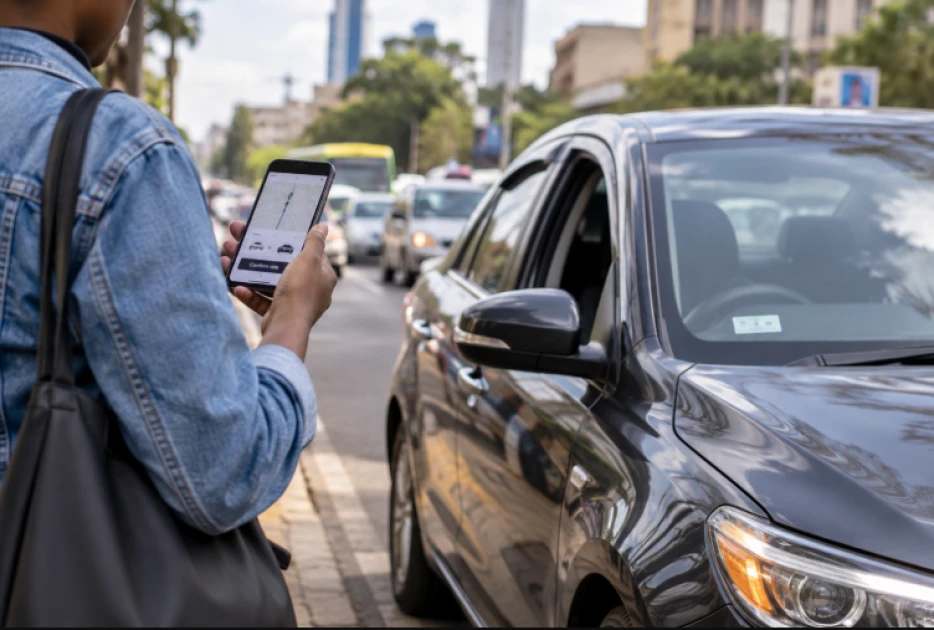
An AI-generated image of a passenger hailing a cab.

Audio By Vocalize
Nearly two-thirds of ride-hailing passengers would reduce or stop using the services if fares increased, a new Ipsos Kenya survey has found.
The study found that 64% of surveyed
passengers would either use ride-hailing services less frequently or stop using
them altogether if fares went up.
Of those, 54% said they would reduce
the frequency of their trips, while 10% said they would stop using ride-hailing
services entirely.
The survey, conducted among
ride-hailing passengers and drivers, examined perceptions of proposed
minimum-fare regulations and their potential impact on affordability, passenger
demand, driver earnings and livelihoods.
The findings indicate that a reduction
in ride-hailing use could also shift demand towards public transport.
Among passengers who said they would
reduce or stop using ride-hailing services following a fare increase, 76% said
they would turn to public transport, while 21% said they would instead make
fewer trips.
Ride-hailing remains an important mode
of transport for many of those surveyed, with 52% describing the services as
either very important or essential to their mobility. Overall, 88% said
ride-hailing was at least somewhat important to them.
The survey also found that a majority
of ride-hailing drivers expect higher fares to result in fewer customers.
Fifty-seven per cent of surveyed
drivers said they expected the number of trip requests to decline if fares
increased.
Among those anticipating fewer
requests, 65% said the reduction in demand would lower their overall monthly
ride-hailing earnings.
The survey showed that ride-hailing is
a major source of income for many drivers, with 65% saying that at least 75% of
their monthly income comes from the platforms.
A further 84% reported driving for
seven or more hours each day.
While 34% of drivers identified higher
earnings per trip as a possible benefit of increased fares, only 17% expected
their overall earnings to rise.
The survey also found that 58% of
drivers would find it difficult to secure another source of income if their
ride-hailing earnings fell significantly.
For passengers, safety ranked as the
leading consideration when choosing a ride-hailing service.
Forty-nine per cent of respondents
listed safety among their top two considerations, followed by affordability and
reliability at 41% each, while 40% cited convenience.
The proposed higher minimum fares were
viewed negatively by 55% of surveyed passengers, compared to 24% who viewed the
potential impact positively.
Affordability was the most commonly
cited concern, with 34% saying higher fares could make ride-hailing less
affordable, while 21% said they could reduce access to transport.
“The research highlights the
relationship between fares, passenger demand and driver earnings within the
ride-hailing market,” said Ipsos Kenya Director Soyinka Witness.
The passengers surveyed had booked a
trip through a ride-hailing platform between June and August 2026.
Ipsos cautioned that the findings
represent respondents' expectations and perceptions and should not be
interpreted as forecasts of actual future market behaviour.
Join the Discussion
Share your perspective with the Citizen Digital community.
No comments yet
This discussion is waiting for your voice. Be the first to share your thoughts!