
Chemical castration: Inside the proposed punishment for sex offenders and the dilemmas for Kenya

Audio By Vocalize
At the height of the gender-based violence (GBV) and femicide in 2024, many gender activists attributed the sharp increase in incidents to systemic misogyny and inadequate legal protections. The public became restless and what followed were demonstrations and calls from many high offices to contain the menace.
The hue and cry in the public space caught the eye of the State and subsequently, in January 2025, President William Ruto established a 42-member task force to address the gender-based violence and femicide.
The Technical Working Group on Gender-Based Violence (GBV) Including Femicide was chaired by the former Deputy Chief Justice Nancy Baraza. It was appointed to assess the scale, trends, legal and institutional gaps in Kenya’s response to gender-based violence and femicide, and to recommend reforms. The Group conducted nationwide consultations across all 47 counties, engaging survivors, civil society, government agencies, and community leaders.
Violence against women comprises a wide range of acts, these range from verbal harassment, emotional abuse, cyber-attacks, to daily physical or sexual abuse. At the far end of the spectrum is femicide: the murder of a woman, because she is a woman. Femicide is sad, unfortunate and an outright evil act.
Femicide is generally understood to involve the intentional murder of women because they are women. In 2024, from September up till November, a period of only three months, public security officials recorded 97 femicide cases, in other words, on average, one woman was being killed every day for the duration. In 2024, The Nairobi Women's Hospital's Gender Violence Recovery Center reported handling an average of 4,000 gender-based violence cases monthly, spotlighting the widespread nature of the crisis within the country.
Task Force report to President Ruto
On 26th January 2026 the Task Force on Gender Violence presented their report to President Ruto. The publication of the report, as opposed to the commissioning of the Task Force is a bit subdued and has not ignited as much public interest, discourse and scrutiny as the cause of for Task Force did.
The report, based on an analysis of over 930 female murders in Kenya since 2016, draws from court records and media reports to provide fresh insights into patterns of violence against women.
It examines case judgments issued between 2016 and 2024, offering a detailed perspective on how these murders occurred and the progress of justice in addressing them.
Chemical castration as punishment for sex offenders
A strong thread throughout the report is the unmistakable resolve to curtail the criminal and immoral morass of GBV and femicide before they firmly take root in society.
However, the recommendation to introduce the use of chemical castration in restraining and curtailing convicted repeat rapists, is coming under the microscope for its ethical, medical and financial impact om society.
What is chemical castration?
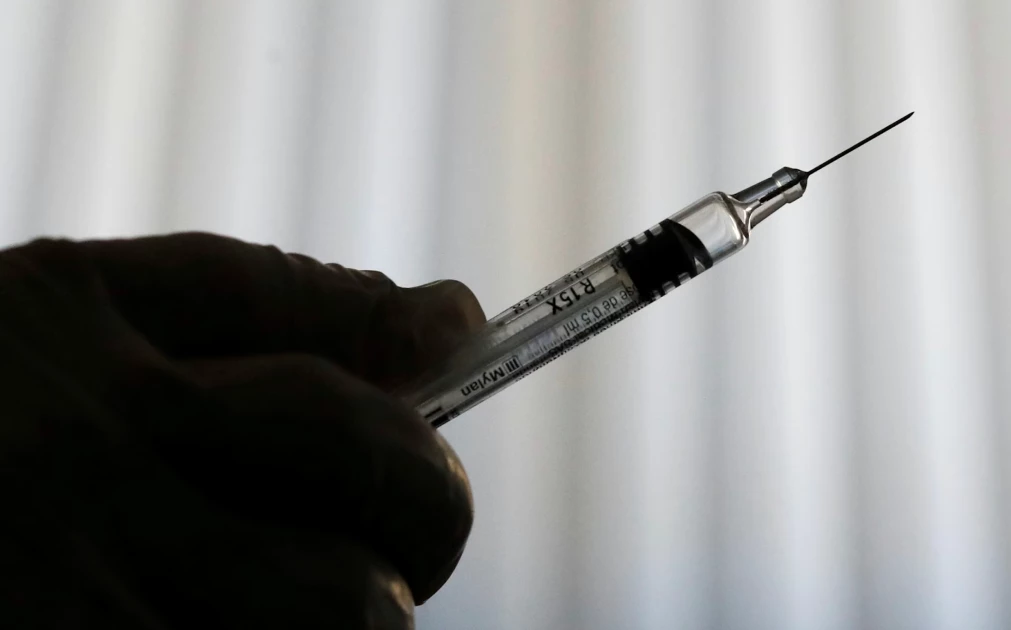
Talking to Dr. Wahome Ngare, he points out that chemical castration is the use of chemicals or drugs to stop sex hormone production. Different glands in the body release hormones to circulate in blood. The hormones give instructions to body organs, how to manage energy, growth and moods.
Sex hormones specifically start at puberty and help manage one’s reproductive health. Other acronyms for chemical castration might include terms such as medical castration, hormone therapy, androgen depressive therapy, androgen deprivation therapy, and androgen suppression therapy.
“Depressive,” “deprivation”, and “suppression” are different ways of saying one is reducing or cutting off sex hormones in the body. All these chemicals have been regularly put to use in attempts to treat cancer, which feed on sex hormones within the body.
Chemical castration helps treat these cancers by reducing the amount of sex hormones the body makes, which prevents the hormones from fueling cancer growth. While primarily used to treat prostate or breast cancers, it is also applied as a legal penalty or treatment for sex pests.
Chemical castration as a method for punishment for repeat sex offenders, it is considered a “reversible” medical treatment which uses drugs to drastically reduce the production of sex hormones (testosterone in men, and estrogen or testosterone in women), and to lower one’s libido and sexual activity.
The effects of chemical castration are largely similar across genders, focusing on the suppression of libido, but with some gender-specific physical changes.
Effects of Chemical Castration
Chemical castration disrupts sexual function in men by drastically reducing their sex drive, it reduces the frequency and intensity of sexual thoughts or fantasies, and often, this degenerates into erectile dysfunction.
The castration accomplishes in men a reduction in physical changes such as the shrinking of testicles and penis, decreased sperm production or sperm infertility. It results in the development of breast tissue, gives hot flashes, and a reduction in body hair among men.
It also portends long-term health risks among men, such as increased risk of osteoporosis (weak bones), cardiovascular disease, weight gain, metabolic syndrome, and reduced muscle mass. It has psychological effects on men, such as depression, mood swings, fatigue, and being potentially suicidal.
Chemical castration also disrupts normal sexual function among women, as it does among men, by enabling a significant reduction in libido and sexual response due to the suppression of ovarian function. It goes further, it occasions physical changes in women by inducing a rapid, albeit temporary menopause-like state.
This results in vaginal thinning and a deflation of breast glands. It also portends long-term health risks for women by occasioning osteoporosis (loss of bone mass), anaemia, and increased cardiovascular disease risks. Among women, it produces emotional upheavals such as depression.
It is important to note that the long-term use of these drugs in both men and women is associated with significant health risks.
Jurisdictions practising Chemical Castration
Many cite the fact that it is “reversible,” unlike surgical castration. Depending on how long one has been on the drugs, some of the resultant effects might not be reversible, and as Dr. Ngare poses, who knows how certain chemicals will react with a given person beyond the known or stated parameters?
Chemical castration might be generally reversible, but there are cases when it is permanent. The method of castration is considered highly effective in reducing an offenders’ sex-drive as long as they are on the drugs.
Limitations on both men and women
Dr. Ngare says that chemical castration is like putting the cart before the donkey. It does not change a person's personality, psychological disorder or completely eliminate violent behavior, unless it is used alongside psychotherapy.
According to Dr. Ngare, such cases call for psycho-analysis among other mental correction methods to unravel what is at the root of such violent, deviant and anti-social behavior hence the need to treat the issue as a moral or ethical failure first, before resorting to medical means to contain the offender.
While speaking to Fr. Conor, a trained priest and doctor, he said the side effects prevalent upon both men and women on this method of punishment, such as heart disease, problems metabolizing fats and sugar, hot flashes, depression, weight gain, and bone density loss, are not intended yet happen to offenders. He cites the unalienable rights due to every person and which even when incarcerated, in sickness or loss of proper faculties of the mind should not rob a people of human dignity due to every person.
Fr. Conor says that the use of chemical castration involves the use of cancer suppression medication secondarily to handle issues which are better tackled through mental treatment. He says such offenders, research reveals, are mostly people who have undergone trauma, dejection and unfortunate earlier lives and live broken lives, however much okay them seem outwardly.
Fr. Conor also cited the fact that convicts might be subject to castration and, on appeal, win the lawsuit and are released. What happens to them? Can anyone restore the torment they have endured in being subject to chemical castration?
Costs of chemical castration in Kenya
In Kenya, the cost of the medications used for chemical castration, such as Goserelin or Leuprolide range from Ksh.9,000 to over Ksh.39,000 per injection, with the total individual cost varying based on the specific medication and dosage.
The treatment requires repeated injections over time. This cost factor, by itself, is a drawback in a budding economy like Kenya’s.
In Kenya today, common ailments and access to needed drugs by inmates are facilitated through the convict’s family. Would the government prioritize prisoners getting their regular dose of castration drugs over other pressing issues such as education, public health and infrastructure?
Jurisdictions practising chemical castration
While Kenya moves to implement chemical castration as a punishment for sex offenders, some countries already have legislation allowing the same. In Pakistan, it was enacted in 2021. Amnesty International responded, saying the penalty of chemical castration was "cruel and inhuman." South Korea passed their “castration law” in 2011, which allows chemical castration for convicted child molesters who are at risk of repeating their crimes.
In the United States, seven US states, California, Florida, Guam, Iowa, Louisiana, Montana and Wisconsin all have legalized the chemical castration of rapists and molesters.
In The Czech Republic, in 1966, it allowed the use of surgical castration. The country holds the highest number of men worldwide who have undergone the irreversible process of surgical castration, according to a report published in 2019.
However, human rights defenders have been critical of this law. In Ukraine, in July 2019, the country’s parliament approved chemical castration of rapists. In Northwestern Kaduna state, in Nigeria, they introduced sterilization as a penalty for child rape.
What GBV and femicide taskforce found
The report recorded 2024 as having had the highest annual female murder cases at a staggering 170 cases, which was double the annual average recorded from 2016 to 2023. It also mentions that, to date, justice delays are prevalent. In the context of an average case, the duration takes 4.01 years from court filing to verdict in the year 2024.
Between 2016 and 2024, there were 219 court judgments involving 185 suspects who were convicted, while 34 suspects walked away free. This saw convictions rise by a whopping 118 per cent in 2024 from the previous year, the highest level since 2018.
The average sentence was 20 years until 2023, but increased to 23 years in 2024. Specifically, the report calls for amendments to Sections 3 to 24 of the Sexual Offences Act to remove judicial discretion in sentencing for aggravated sexual offences and repeat offenders.
The taskforce contends that inconsistent sentencing has contributed to public perceptions of leniency and undermined confidence in the justice system, particularly in GBV cases.
The report proposes amendments to the Penal Code by recognizing femicide as a distinct crime to strengthen legal accountability and allow the State to track and respond to the killings of women and girls more effectively.
The leading killers of women
The report details that the demographic unit leading in the killing of women remains largely unchanged over the years. These are the intimate partners (husbands or boyfriends) of the murdered women at 70% as per 2024 convictions data.
The report also points out that young women bear the greatest risk for GBV attacks and ultimately femicide. It records the fact that women aged between 18 and 35 remain the most vulnerable, accounting for more than half of all cases. The report says that 66 percent of the suspects were mostly young men (from 18 to 35 years old) who were presented in court between 2016 and 2024.
Beyond legal reforms, the task force also recommends that the President formally declare gender-based violence, including femicide, a national crisis. It notes that such a declaration would elevate GBV to the highest level of national priority, enabling coordinated action across government, faster mobilization of resources and sustained public awareness efforts. The proposal reflects the task force’s conclusion that existing responses have been insufficient to match the scale and severity of violence facing women and girls.
Gaps in GBV war
The report concludes that GBV and femicide in Kenya are systemic, under-reported, and driven by structural power imbalances, compounded by legal gaps, weak data systems, and insufficient institutional capacity. It calls for urgent reforms across legal, institutional and societal levels, where women and girls remain acutely vulnerable to lethal violence at home and in communities.
It is shocking that due consideration might not have been taken to account concerning the present legal, financial, medical and ethical suitability of chemical castration, it is definitely going elicit more controversy and irrevocable consequences over time.
While the report proposals require parliamentary approval and constitutional scrutiny before becoming law, they underscore the growing pressure on the government to move beyond policy commitments and deliver concrete legal consequences for GBV-related crimes.
If adopted, the report would fundamentally alter how courts handle sexual offence cases, making custodial sentences compulsory once guilt is established.
However, concerns remain about its potential effectiveness and the polarization it might trigger over some of its recommendation which call for ethically unsound approaches to punishment for convicts. All in all, advocates should continue to call for comprehensive reforms to ensure women's safety and justice.
Join the Discussion
Share your perspective with the Citizen Digital community.
No comments yet
This discussion is waiting for your voice. Be the first to share your thoughts!