
EAC urges increased Mpox awareness amid outbreak in DRC, Burundi
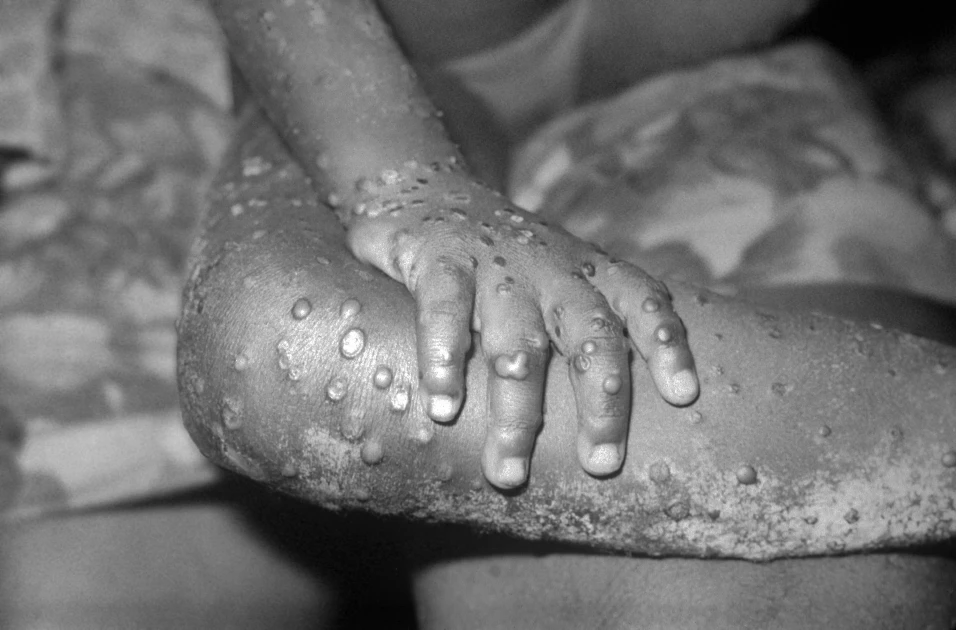
View of the right hand and leg of a girl reveals numerous maculopapular lesions of Mpox, (Photo by AFP)

Audio By Vocalize
The East African Community (EAC)
Secretariat has called on EAC partner states to educate their citizens on how
to protect themselves and prevent the spread of Mpox, formerly known as Monkeypox.
This follows reports from the World Health
Organization (WHO) that Burundi and the Democratic Republic of Congo (DRC) are
experiencing an outbreak of the viral disease.
Burundi has confirmed three cases of Mpox
in Bujumbura and Isare, verified by national laboratories and the WHO.
The Burundian health ministry has assured
the public that measures are in place to manage the disease, with patients
currently receiving treatment and showing improvement.
Since 2022, the DRC has reported over
21,000 cases and more than 1,000 deaths, according to WHO.
The EAC Deputy Secretary General in charge
of Infrastructure, Productive, Social and Political Sectors, Andrea Aguer Ariik
Malueth, emphasised the importance of taking preventive measures to minimise
the spread of Mpox.
“EAC Partner States must provide necessary
information about the disease and take preventive measures,” said Malueth.
The DSG added that factual risk
communication, community engagement and enhanced surveillance were crucial
steps to managing the disease.
In 2023, there were 14,626 cases and 654
deaths, and by the end of May 2024, 7,851 cases and 384 deaths had been
reported.
Many of those infected are children under
five and nearly two-thirds of the deaths are also among children.
Health experts have identified a new strain
of the virus in one part of the country.
Burundi borders DRC, Rwanda and Tanzania
while the DRC borders five EAC partner states; Tanzania, Burundi, Rwanda,
Uganda and South Sudan.
Mpox, formerly known as Monkeypox, was
first discovered in monkeys in 1958, with the first human case reported in
1970.
The virus spreads from animals to humans
and between people through close contact, contaminated objects and respiratory
droplets.
Symptoms include a skin rash or lesions,
fever, intense headache, muscle aches, back pain, general body weakness and
swollen lymph nodes, typically lasting two to four weeks. While most cases are
moderate, severe cases and deaths can occur.
To reduce the risk of contracting Mpox, the
public is advised to avoid contact with individuals diagnosed with the virus or
those who may be infected; wear a face mask when in close contact with
symptomatic individuals; use personal protective equipment when caring for
confirmed or suspected cases.
The public is also advised to wash hands
with soap and water or use alcohol-based sanitizers after contact with infected
persons or animals; regularly wash clothing and bedsheets at high temperatures;
ensure meat is thoroughly cooked before consumption; and avoid contact with
sick animals, particularly rodents and non-human primates, and refrain from
handling bush meat.
Health officials advise those suspecting
that they may have contracted Mpox should self-isolate and seek medical advice
immediately.
Join the Discussion
Share your perspective with the Citizen Digital community.
No comments yet
This discussion is waiting for your voice. Be the first to share your thoughts!