
Stakeholders call for cross-border cooperation to eliminate FGM

Audio By Vocalize
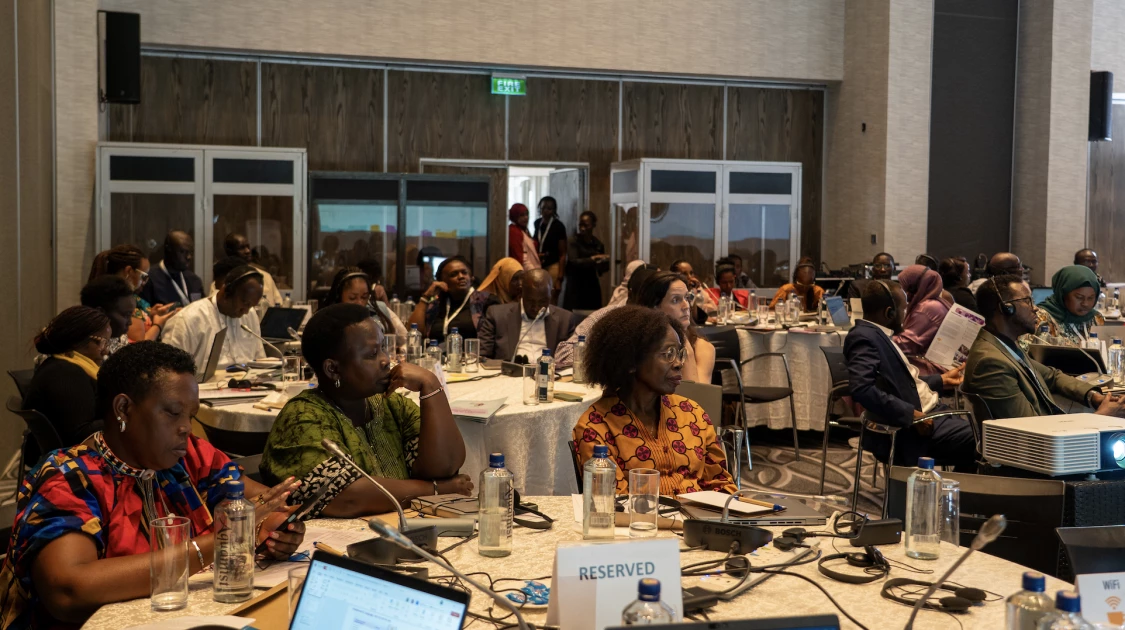
A Regional Learning and Evidence Forum on Ending FGM was brought together by government officials, civil society organisations, activists, researchers, media practitioners and development partners from Kenya, Ethiopia, Senegal and Somaliland.
Under the theme “pass the torch”, experts warned that despite strong laws and policies, many girls, particularly those in marginalized and hard-to-reach communities, remain at risk.
Speaking at the forum, Anti-FGM Board Chairperson Ipato Surum described FGM as a deeply entrenched practice that cuts across borders and continues to affect millions of girls and women across Africa.
“Female Genital Mutilation is not just a national issue. It goes beyond our borders, and demands coordinated regional action if we are to end it,” Surum said.
She highlighted Kenya’s progress in reducing FGM prevalence, citing the 2022 Kenya Demographic and Health Survey, which shows a decline from 21 per cent in 2014 to 15 per cent in 2022.
According to Surum, the progress has been driven by strong legal and policy frameworks, community-led initiatives, the establishment of the Anti-FGM Board in 2014, inclusion of anti-FGM content in the school curriculum and the adoption of multi-agency approaches.
“Kenya’s experience shows that when political will, community engagement and evidence-based programming come together, real and lasting change is possible,” she added.
The forum was convened by The Girl Generation Africa Led Movement (TGG-ALM), with a focus on transferring learning, evidence, tools and leadership to ensure continuity of the end-FGM movement beyond individual programmes.
TGG-ALM Team Lead Dr. Jacinta Muteshi-Strachan said the movement to end FGM must outlive projects and funding cycles, urging participants to share lessons learnt within their countries and institutions.
“Programmes like ours are short-lived, but the movement to end FGM must go on. We must pass on what we’ve learned and the resources we’ve created to those shaping the future of this movement,” said Dr. Muteshi-Strachan.
She encouraged participants to promote approaches that work, challenge harmful language around FGM and place girls and survivors at the centre of prevention and response efforts.
“The power of this movement lies in meaningful connections across countries, sectors and perspectives, united by a shared vision of ending FGM,” she noted.
The forum also featured technical discussions on community interventions, integration of FGM into the health system, disability inclusion, language transformation and honest reflections on challenges and approaches that have not worked in past programming.
A statement from the National Gender and Equality Commission (NGEC) Chairperson warned that despite strong laws and policies, many girls, particularly those in marginalized and hard-to-reach communities, remain at risk.
“Female Genital Mutilation remains a grave violation of the rights to dignity, health and equality. Laws alone are not enough if they do not translate into real protection for girls on the ground,” the statement read.
NGEC called for survivor-centred, community-driven approaches and stronger accountability across sectors, including health, education, justice and social protection.
“Survivors must not be treated merely as beneficiaries. Their voices must be protected and amplified as leaders and agents of change.”
Participants also discussed the challenge of cross-border FGM, with speakers citing ongoing regional efforts such as the Regional Cross-Border Action Plan to End FGM and the proposed East Africa Prohibition of FGM Bill currently before the East African Legislative Assembly.
“Ending FGM is possible, but it requires collective responsibility, accountability and the willingness to pass the torch to the next generation,” Surum said.
Join the Discussion
Share your perspective with the Citizen Digital community.
No comments yet
This discussion is waiting for your voice. Be the first to share your thoughts!