

Gas companies urged to prioritize access to medical oxygen in low-and-middle-income countries

Audio By Vocalize
The report analyzes the efforts of Air Liquide, Air Products, Linde, Messer, Nippon Sanso Holdings Corporation, and SOL Group to expand access to medical oxygen during the COVID-19 pandemic and identifies opportunities for these companies to harness this momentum to address the longstanding problem of a persistent lack of access to medical oxygen in LMICs.
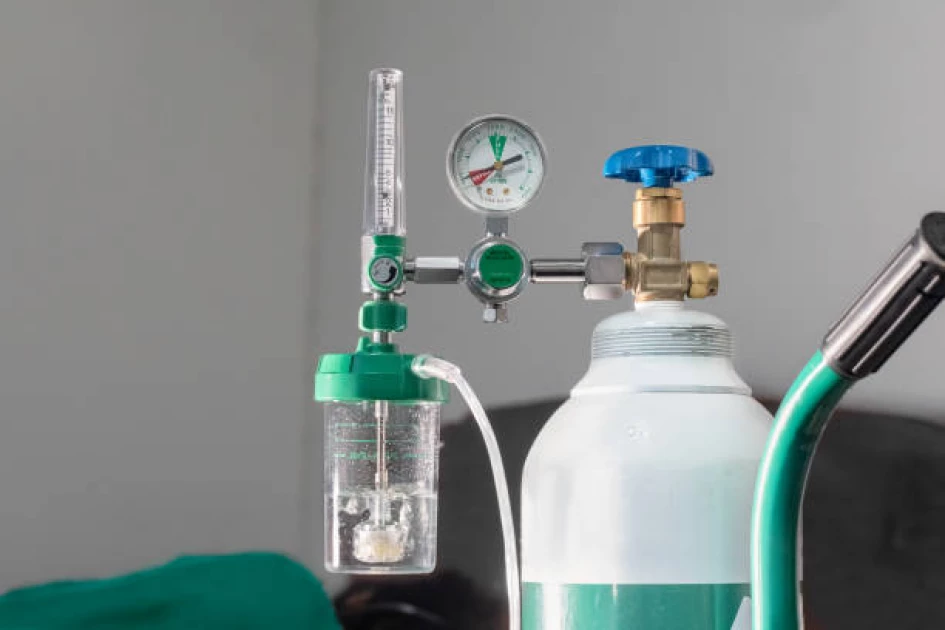
According to the report, many medical facilities in LMICs do not have reliable access to medical oxygen, which is a lifesaving treatment for a wide array of diseases, such as pneumonia and tuberculosis.
It is also essential for daily medical procedures, such as during surgery and childbirth. In 2021, it was estimated that 73 million people with low blood oxygen attended healthcare facilities in LMICs, and of those, only 22 million were suffering from COVID-19.
Despite the fact that medical oxygen is included in the World Health Organization's Model List of Essential Medicines, approximately half of healthcare facilities in LMICs do not have reliable access to medical oxygen. This has led to preventable loss of life.
Given the essential nature of medical oxygen and the fact that just a handful of gas companies produce the vast majority of the global supply of medical liquid oxygen, it is critical to the well-being of people living in LMICs that these companies scale up access to this product as a priority.
The report identifies six priority areas for action that companies can focus on to provide access to medical liquid oxygen in LMICs, both in emergencies and to provide routine delivery.
These areas include prioritizing, measuring, and reporting progress on medical liquid oxygen, enabling improved affordability for different populations and health systems as well as providing a sustainable supply of medical liquid oxygen.
Other priority areas include developing and maintaining long-term partnerships to close access gaps, supporting health systems and the human resources required to operate and maintain medical liquid oxygen systems and administer oxygen therapy, and planning proactively for future emergencies.
The report also notes that some gas companies have taken steps to improve access over the long term, particularly in response to COVID-19, but clearer commitments are required. Gas companies need to further commit to and take action on expanding and sustaining long-term access to the lifesaving product they produce.
“With a small number of companies responsible for the world’s supply of medical liquid oxygen, the role they play in the global health ecosystem needs to be prioritized. Medical gases are a small part of these companies’ business, yet society needs them to ensure this vital lifeline is available both during emergencies and to meet the daily medical oxygen needs of all health systems,” said Jayasree K. Iyer, CEO, Access to Medicine Foundation.
Leave a Comment