

High Court orders State to pay Kwale Sugar Ksh.24B over breached land deal
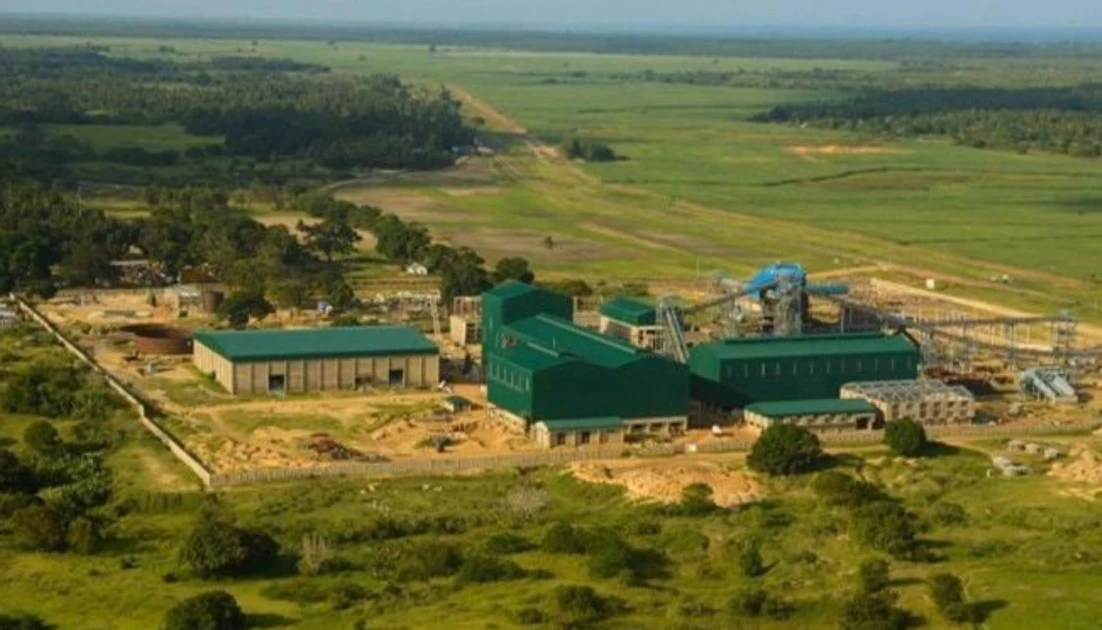
KISCOL, a joint venture between Mauritian multinational Omnicane Limited and Kenya’s Pabari Group, had leased 15,000 acres in Kwale County for a large-scale sugar plantation and mill intended to spur economic growth and create jobs.

Audio By Vocalize
The High Court in
Mombasa has ordered the Kenyan government to pay approximately $186 million (Ksh.24
billion) to Kwale International Sugar Company Limited (KISCOL) after finding
that the State fundamentally breached its contractual obligations and derailed
a major agricultural project in the coastal region.
The ruling,
delivered last week by Justice Florence Wangari, is one of the largest
financial awards issued against the government in recent years.
The court held
that the state failed to honour key commitments under a 2007 agreement, and
that this failure ultimately doomed the $300 million (Ksh.39 billion) venture.
KISCOL, a joint
venture between Mauritian multinational Omnicane Limited and Kenya’s Pabari
Group, had leased 15,000 acres in Kwale County for a large-scale sugar
plantation and mill intended to spur economic growth and create jobs.
Central to the
deal was the government’s undertaking to guarantee the company “quiet and
peaceful possession” of the land.
Instead, the court
found that the project site quickly fell into conflict. Local communities
claiming ancestral ownership occupied substantial parts of the leased land,
severely limiting KISCOL’s access.
Although the
company later secured favourable court rulings on land title, the State failed
to remove the squatters, leaving nearly half the concession inaccessible.
The situation
worsened when the government excised about 2,500 acres of the lease for a
separate mining project by Base Titanium, without providing compensation or
substitute land.
Justice Wangari
said what began as administrative negligence escalated into a full-blown crisis
that crippled the investor’s ability to plant sugarcane or construct the
milling facilities. The disruptions forced KISCOL into repeated and expensive
debt restructurings.
The government
argued that it had met its obligations and that the claim was time-barred, but
the court rejected those defences in entirety. It ordered the state to pay Ksh.24
billion plus interest and costs, an amount expected to rise significantly.
Government
officials said they were reviewing the decision but acknowledged that its
message aligns with Kenya’s stated commitment to upholding contractual
obligations.
KISCOL legal
adviser Benson Musili welcomed the outcome, calling it “a monumental victory
for the principle that when governments make commitments, they must honour
them.”
“It affirms that
Kenya’s courts will uphold the law equally, even against the state,” Musili
said of the verdict.
The decision
closes a 13-year legal battle for Omnicane and the Pabari Group, whose flagship
project collapsed under unmet government promises. The State has 14 days to
appeal.
Leave a Comment