
How Gen Zs are redefining the HIV conversation in Kenya
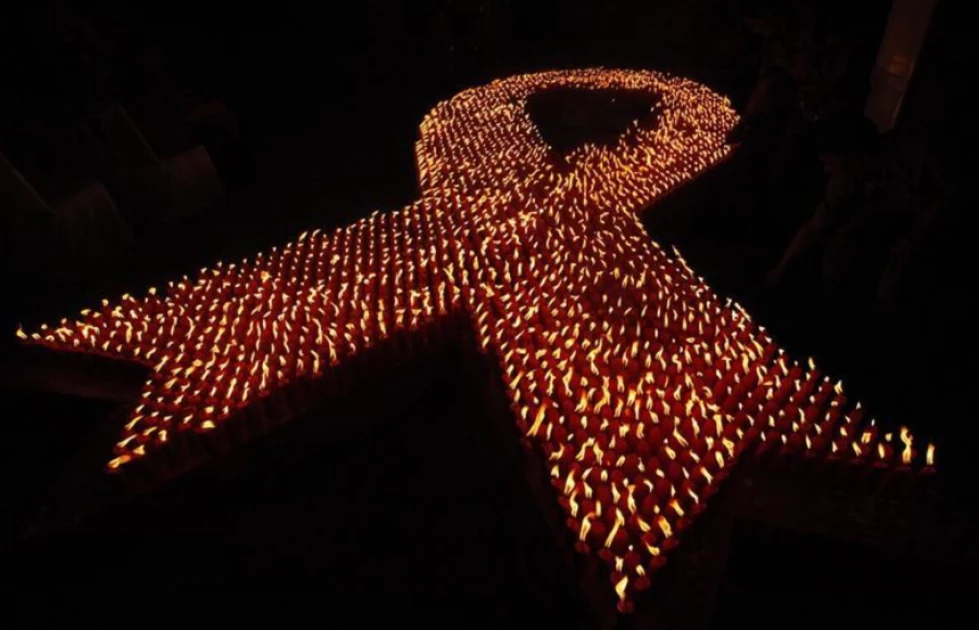
About 2880 candles are seen lit during a World AIDS Day event in Jakarta December 1, 2009. REUTERS/Dadang Tri

Audio By Vocalize
For the longest time, HIV in Kenya has been shrouded in
stigma, fear, and a deafening silence. It was the conversation no one dared to
have, until now. In today’s Kenya, a bold new voice has emerged. Gen Zs are stepping
in and rewriting the script. They're talking about HIV with unflinching
honesty, living openly, loving fearlessly, and pushing prevention into the
spotlight. What was once whispered is now shouted - raw, real, and
unapologetically loud.
“I was diagnosed with HIV when I was 22,” says Nikita, a
content creator and campus student in Nairobi, adding: “I decided to post it on
TikTok and share my journey with others, not because I wanted sympathy or pity
from people, but because I didn’t want anyone else in the same situation to
feel alone and scared as I did.”
A growing number of young people today are more aware and
informed than ever before, thanks to easy access to online resources. Campaigns
like ‘Beyond Zero’
and ‘Chukua
Selfie’ are tapping into digital platforms to meet the youth where
they are - on their screens, in their spaces, and on their terms.
James, a 25-year-old peer educator in Dandora, says; “We visit
various schools and talk about testing, PrEP, and condoms. But we also do it on
platforms like Instagram because youth listen more when its coming from someone
in the same age bracket as them.”
Unlike older generations who often hid their status for fear
of societal stigma, many young people today are living openly with HIV, confronting
shame head-on and reshaping the narrative within their communities.
Jay, 28, was born with HIV; he now runs a YouTube channel as
well as other online platforms where he talks about relationships and dating
with the virus.
“I started my online platforms so that I can show people that
you can love, have fun, and live your life fully with HIV without being scared
of anyone judging or mocking you,” he says; “We’re not helpless victims,
we’re powerful.”
Marion, a 24-year-old advocate and public speaker also shared
her reason for choosing to publicly disclose her condition and empower other
young people going through the same.
“When I first discovered I had contracted HIV, I was
devastated and wanted to end my life because I was afraid people would see me
differently. But I joined a support group around where I was living and started
speaking out. Now, I talk to high school students and post my journey on
Instagram to help other people who are also going through the same,” she says.
26-year-old Christine, on her part, notes: “My boyfriend died
from HIV. I went for a routine checkup soon afterwards and tested positive. No
one ever told me that HIV could happen to me. I later on joined a support group
at Moi Teaching and Referral Hospital and now I’m creating awareness with a
group of women where we talk about everything from the meds to dating and
rejection.”
Young people are changing what it means to talk about HIV. No longer hidden in whispers or wrapped in
shame, the conversation is being pulled into the light — through lived
experiences and fearless storytelling. They’re not just surviving with it;
they’re thriving, and in doing so, they’re lighting the path for a new
generation to speak boldly, live fully, and fear nothing.
Join the Discussion
Share your perspective with the Citizen Digital community.
No comments yet
This discussion is waiting for your voice. Be the first to share your thoughts!