Kenya Roads Board leverages securitization to fund infrastructure development
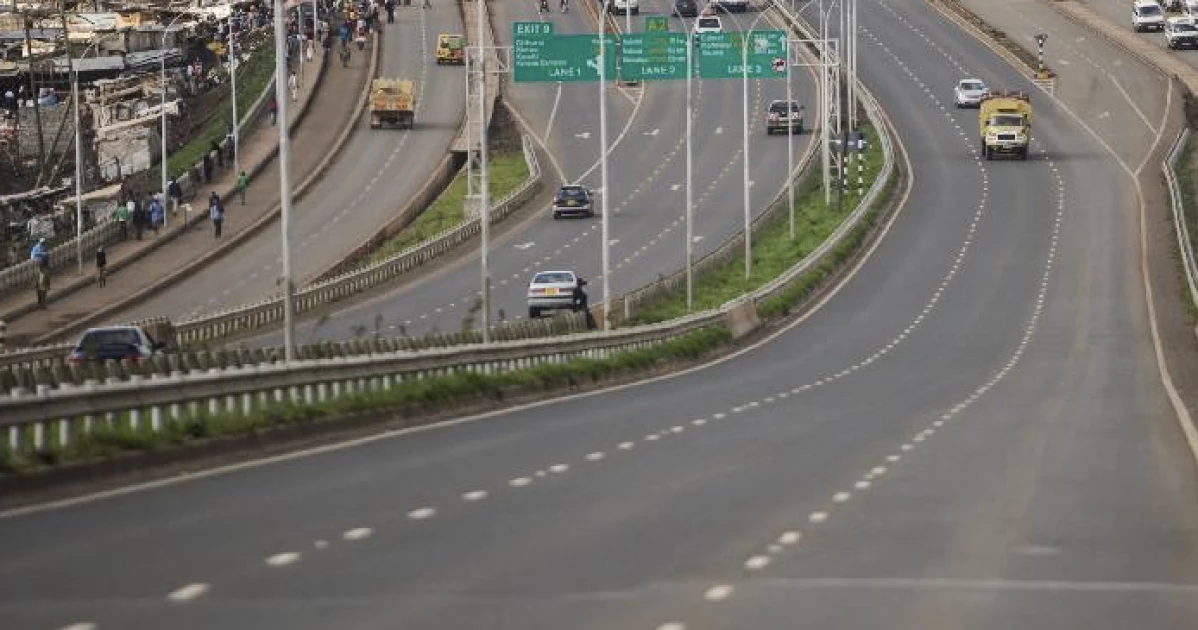
File image of a section of Thika Superhighway. PHOTO| COURTESY

Audio By Vocalize
The securitization model is a financial mechanism that allows an institution to raise funds by leveraging predictable future income. It involves bundling a portion of expected cash flow and selling it to investors through a financial intermediary, typically called a Special Purpose Vehicle (SPV).
KRB became the first public infrastructure agency in Kenya to apply this model by securitizing part of its income from the Road Maintenance Levy Fund (RMLF). This was achieved by committing KSh7 out of every KSh25 per litre of fuel collected over the next ten years.
The commitment was handed over to a Special Purpose Vehicle, which raised KSh175 billion upfront from private investors. As a result, KRB is now in a position to clear the backlog, unlock stalled road projects, and reduce reliance on exchequer funding.
According to analysts, the securitization model provides immediate liquidity, ensures efficient use of predictable revenue, and helps reduce the accumulation of public debt.
The model works particularly well for government agencies with steady and predictable income streams. These include the Kenya Airports Authority (KAA), Kenya Ports Authority (KPA), Kenya Power, and Water Service Boards.
These agencies are now being encouraged to explore securitization as a way to reduce dependence on exchequer allocations or debt-heavy loans.
By doing so, government agencies can upgrade infrastructure, expand service delivery, clear pending bills, and invest in new technologies.
Leave a Comment