
KMA backs lenacapavir rollout, urges strong testing and safety monitoring
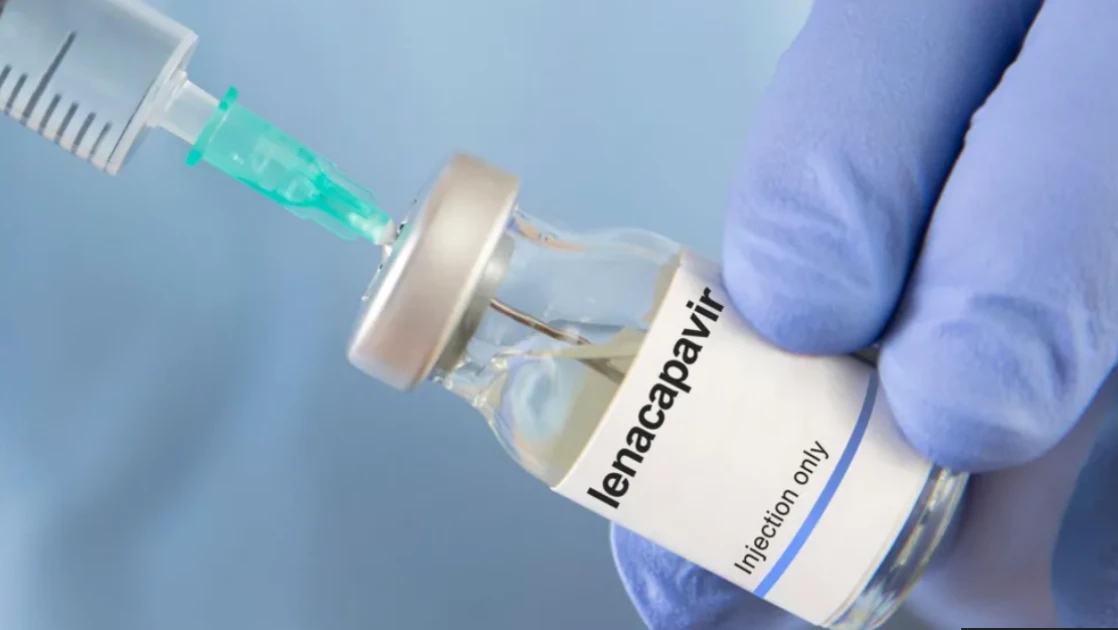
Lenacapavir has received WHO's approval for HIV prevention. AFP via Getty Images

Audio By Vocalize
In a statement dated February 26, 2026, KMA said evidence from the PURPOSE 1 and PURPOSE 2 trials showed substantial reductions in HIV acquisition when lenacapavir is used as pre-exposure prophylaxis (PrEP), compared to oral options.
KMA said lenacapavir is a long-acting injectable licensed for use as PrEP in people who are HIV-negative, warning that it should not be used in individuals already living with HIV and on antiretroviral therapy.
According to the association, lenacapavir is administered subcutaneously at a dose of 927mg — two injections every 26 weeks — following an oral loading dose.
KMA said priority populations for eligibility assessment should include men who have sex with men, people who inject drugs, individuals in correctional or closed settings, sex workers, and trans- and gender-diverse individuals, as well as people in relationships or settings with increased HIV exposure risk.
The association said HIV testing should remain a core component of PrEP delivery, recommending the use of rapid diagnostic tests and HIV self-testing, aligned with injection schedules.
It also urged that lenacapavir be rolled out as part of combination prevention, including screening for STIs and hepatitis, vaccination for hepatitis B, continued condom use and behavioural interventions.
KMA further called for inclusion of both public and private facilities in rollout strategies, and recommended robust surveillance and pharmacovigilance to monitor breakthrough infections, resistance mutations and safety, including targeted monitoring among pregnant women.
The association also warned of possible drug interactions, saying clinicians should screen for medications including rifamycins used in TB treatment, certain anticonvulsants, ketamine and erectile dysfunction drugs.
On financing, KMA said sustainability must be embedded from the outset, noting Kenya’s HIV response has historically relied heavily on donor support.
As a potentially high-cost intervention, KMA said lenacapavir will require investment in procurement systems, supply chains, workforce training, pharmacovigilance and expanded testing services.
It called for integration of lenacapavir into national HIV financing frameworks, stronger domestic resource mobilisation, and price negotiations and pooled procurement to enhance affordability.
Join the Discussion
Share your perspective with the Citizen Digital community.
No comments yet
This discussion is waiting for your voice. Be the first to share your thoughts!