

No prescription, no test; The drugs fueling one of Kenya’s public health threats
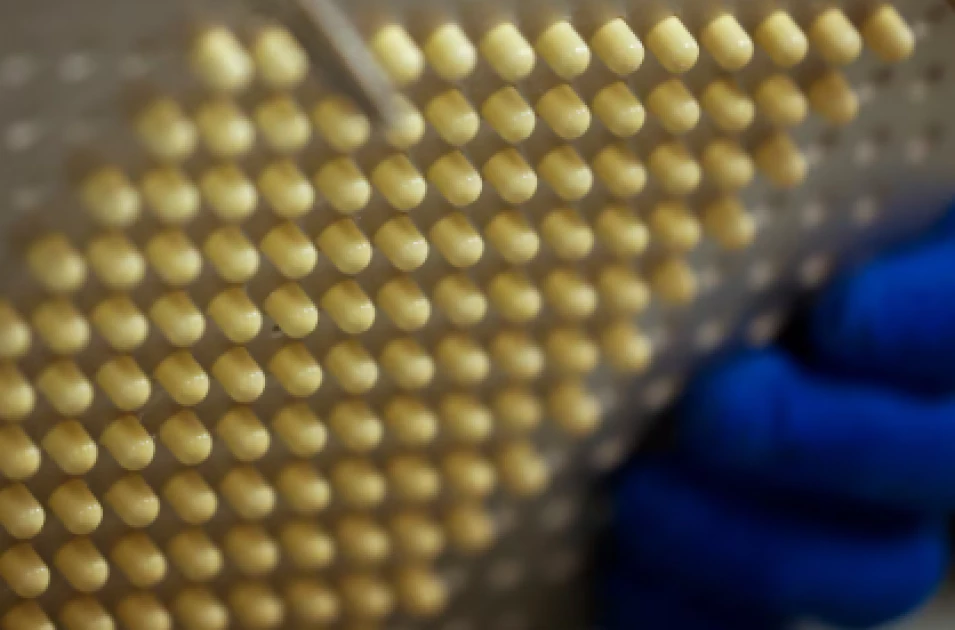
Capsules of amoxicillin are seen at the Delpech pharmacy in Paris, France, January 9, 2023. REUTERS/Gonzalo Fuentes

Audio By Vocalize
Within minutes, she leaves with antibiotics, no prescription, no laboratory test.
Three days later, the child feels better. The medication is stopped, and the remaining tablets are saved “for next time.” Does this look familiar to you?
It is a common decision witnessed across thousands of homes every day. But it is quietly fueling one of Kenya’s most dangerous public health threats: antimicrobial resistance (AMR).
AMR is when germs like bacteria, viruses, or fungi become resistant to medicines that are used to kill them, making infections harder to treat. It happens mainly due to the misuse or overuse of antibiotics and poor infection control.
AMR is dangerous because it can make common infections longer, more severe, or even deadly.
In Kenya, antibiotics are often purchased without prescriptions and doses are frequently shared or stopped early; such precision is rarely observed.
The combination of incomplete courses, incorrect timing, and inadequate testing is a perfect storm, allowing bacteria to survive, evolve, and resist treatment.
When Wonder Drugs Stop Working
Antibiotics were hailed in the 1940s as “wonder drugs” by the World Health Organization (WHO). They transformed medicine, making infections that once killed millions treatable, surgeries safer, and childbirth less deadly.
But today, in Kenya and across Africa, these life-saving medicines are losing their power. According to recent WHO data, one in five bacterial infections globally no longer responds to commonly used antibiotics (WHO, 2025).
Dangerous bacteria such as E. coli and Klebsiella, which can cause severe blood infections, are increasingly resistant to critical treatments, including third-generation cephalosporins. The result?
Infections that once cleared in days now linger, recur, and in some cases, prove fatal.
The Crisis in Wards
At health facilities in Busia County, clinical nurse Esther Anzaye sees the impact every day:
“Patients with resistant infections spend a lot on treatment, from diagnostics to the appropriate antibiotics. They stay longer in hospital and take more time to heal.”
Longer hospital stays increase the risk of hospital-acquired infections. Treatment costs rise sharply, and sometimes the specific antibiotic needed is unavailable. Health workers face repeat visits from patients whose infections never fully clear, stretching facilities thin while families sink deeper into financial strain.
Dr. Silvano Katayi, a Clinical Pharmacist and AMR focal person in Busia, says resistance often begins with one critical mistake: stopping medication too soon.
“Antimicrobial agents are prescribed for a specific duration. Stopping early exposes bacteria to sub-therapeutic doses, giving them a chance to survive and evolve.”
Even worse, resistant infections can return stronger than before.
Another widespread problem is self-prescription. Many Kenyans demand antibiotics for viral infections such as flu or common cold illnesses that do not respond to antibacterial treatment.
“Common cold is viral and usually self-limiting. Using antibiotics in such cases exposes patients to side effects without any benefit,” Dr. Katayi explains.
The Culture of Sharing and Convenience
In many households, leftover antibiotics are saved and shared, particularly for children. Dosages are guessed, and courses shortened.
But different antibiotics target different infections. Using the wrong dose or the wrong drug partially suppresses bacteria without eliminating them, promoting resistance.
Convenience and cost drive this behaviour. Visiting a hospital requires time, consultation fees, and diagnostic tests, while walking into a chemist's is faster and cheaper.
Although Kenyan law requires antibiotics to be dispensed only with a prescription under the oversight of the Pharmacy and Poisons Board, enforcement is weak. The rapid growth of chemists and competition for profit makes antibiotics easier to access than ever.
Timing, Testing, and the Fight Against Resistance
Fighting AMR requires more than completing a course of antibiotics. Testing, timing, and dosing precision are critical.
“AMR demands culture and sensitivity tests to identify which antibiotics will actually work,” Dr. Katayi emphasizes.
“Guessing the right drug leaves bacteria alive, giving them a chance to develop resistance.”
Timing and frequency are equally important. Every antibiotic has specific pharmacokinetic properties; how it is absorbed, distributed, metabolized, and eliminated by the body.
To work effectively, the drug must maintain a certain concentration in the body, called the minimum inhibitory concentration, the smallest amount needed to stop bacteria from growing.
For example, a prescription labeled “one tablet three times a day” is not random. It means taking one tablet every eight hours to maintain a steady level of the drug. Altering this schedule or shortening the duration, undermines treatment, increases the risk of recurring infections, and accelerates AMR.
“Even small deviations in dosing can have big consequences. Resistant bacteria can flourish, infections return stronger, and more expensive or stronger antibiotics may be needed,” warns Dr. Katayi.
The Hidden Economic Bomb
When resistance develops, doctors must turn to more powerful, broader-spectrum antibiotics, which are often expensive and scarce.
"Broad-spectrum antibiotics fight many types of bacteria, can also disrupt the body’s natural bacterial flora, increasing susceptibility to other infections," Dr. Katayi adds.
Patients undergo culture and sensitivity testing to find effective drugs. Treatment becomes more complex, and outcomes less certain.
AMR threatens not only individual lives but also Kenya’s entire healthcare system. Routine surgeries, cancer treatments, and maternal care rely on effective antibiotics. Without them, decades of medical progress could be reversed.
Fighting Back: A Coordinated Approach
Multidisciplinary teams must tackle AMR through surveillance, education, and strict adherence to treatment guidelines. Pharmacists play a key role, advising on:
1. Correct drug selection
2. Dose adjustments based on age and organ function
3. De-escalation of empirical treatments — starting broad and narrowing once lab results confirm which antibiotics work.
Healthcare workers should receive continuous medical education and updates on WHO guidelines and the One Health approach, recognizing that resistance spreads across humans, animals, and the environment.
AMR is not an abstract scientific problem. It begins in households with incomplete doses, shared tablets, and unnecessary purchases.
Every time antibiotics are misused, bacteria learn. Every time a course is not completed, future infections become harder to treat.
Antibiotics can remain powerful allies in the fight against disease or become relics of a medical era we failed to protect.
The next time a child feels better after three days of medication, the decision to continue or stop could shape not just one recovery but the future of medicine itself.
Leave a Comment