
OPINION: BWIRE – We are doing what we do best, politicking
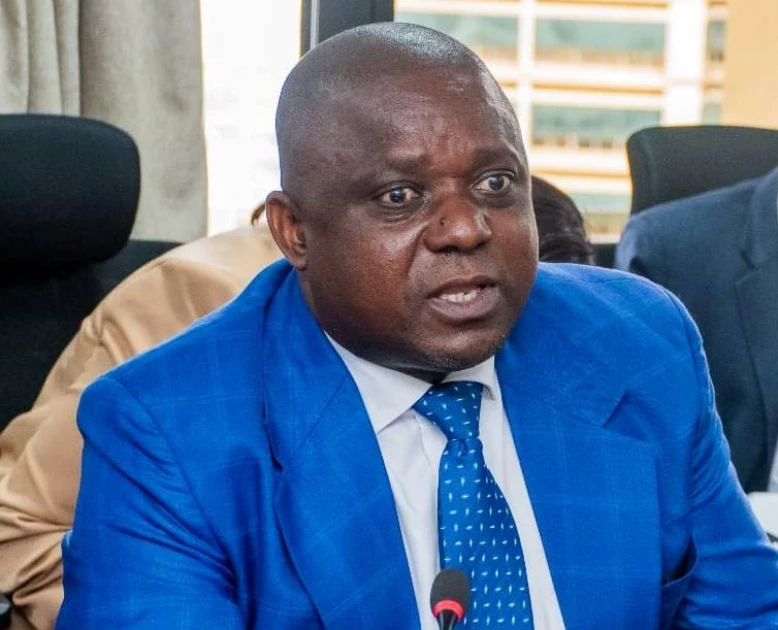

Audio By Vocalize
The 2027 general election politics is here with us; high level, tension parked, laden with misinformation and information manipulation and saddled with intolerance.
Evidently, extreme political speeches, insulting language and misuse of state power, and more importantly threats to freedom of expression especially focusing on threats to social media will be big marks of the general election.
While Tanzania has their election later in 2025, and Uganda in 2026, the hype around and intensity of the Kenya 2027 election is on another level and mirroring a lot of other national development and global opportunities that could come with a cool environment.
The registrar of political parties’ office and their portal are a haven of activities, as investors register parties/kiosks for collections, while given that changing political environment, legislative and oversight roles at both the National and County Assemblies goes in limbo especially at the Counties where real and imagined impeachments marred by money deals are now the order of the day.
It seems this will be a do or die election for the stakes seem too high for the politicians more than the citizens, as seen in the lethal ethnic mobilization that is happening already; not that is new though.
The better we accept and include this in our planning of our social, cultural and economic activities the better; for reason and ideology will always be suspended whenever the political implication of any decision made in this country is expected to be negative.
Media and media practitioners must be on the look-out and prepare adequately as the situation unfolds, for there is indication that people are weaponising against the media and by extension freedom of speech given the shrinking civic space.
Indeed, so far, it’s becoming clear that as we struggle with implementing the national development agenda under the broad-based government, the 2025-2027 period might be wasted years for Kenyans, for political interests have overtaken development interests.
Given the experience, where voters are rarely exposed to civic education on matters politics, it might just pay off to accept our political situation and start investing in strengthening our political parties and enhance voter education instead of wishing away the 2027 politics.
Politics plays a fundamental role in democracy and governance, and we must accept, but integrate our national values and key national development narratives in the politics for the good of the nation.
A nation easily breaks into anarchy, when extreme positions are taken on national issues, and the public loses patience and direction, and start vomiting such dangerous and poisonous words as currently being spewed online and via the media. As usual, the responsible national and non-state institutions are sitting on the fence and waiting for the country to tear up acting or write reports.
Looking at the extremely speeches and positions by Kenyans online, whose are not necessarily journalists or traditional media is something analysts need to explore and show Kenyans if the current physical peace in the country is genuine.
The one major lesson that I believe this teaches us is that these harsh religious and political exchanges and the discussions that follow- has the debunked the myth that tribalism is not for illiterates and average Kenyans- tribalism in Kenya is an elite problem especially the political and religious groups.
It’s the elites who are tribal to the tilt in this country-the words and expressions on the online forums are dangerous- and are being peddled by the elites who can access and use the forums.
They are angry and tribal because- they are fighting over resources, opportunities and jobs-guys are hungry because there is traffic jam- because there are blackouts- and they throw venom at each badly and angrily-and especially if those in authority in those institutions responsible- do not come from their tribe or communities.
Freedom of expression and human rights groups in the country, should engage and advocate for a possible relook or judicial action to check on the likely use of such laws including the proposed KICA 2025 Bill -on social media, the Computer Misuse and Cybercrime Act, and watch out on some sections in the penal code: Section 66(1) on alarming publications provides that any person who publishes any false statement, rumour or report which is likely to cause fear and alarm to the public or to disturb the public peace is guilty.
Section 51 on prohibited publications empowers the Minister, on reasonable grounds, considers that it is necessary in the interests of public order, health or morals, the security of Kenya, and to be reasonably justifiable in a democratic society, the Minister may, by order published in the Gazette, prohibit the importation of any publication or, declare any publication to be a prohibited publication.
The Official Secrets Act provides that any person who obtains, collects, records, publishes or communicates in whatever manner to any other person any code word, plan, article, document or information which is calculated to be or might be or is intended to be directly or indirectly useful to a foreign power or disaffected person commits an offense.
The Kenya Media Sector Working Group, has some serious work to do to prepare the media space in this wanting environment.
More importantly, there is need for the media and media practitioners to quickly familiarize themselves with the provisions of the revised Code of Conduct for Media in Kenya administered by the Media Council of Kenya, which provides that the media should avoid presenting acts of violence, armed robberies, and banditry and terrorist activities in a manner that glorifies such anti-social conduct.
Also, media outlets should not allow their space to be used for content which tend to encourage or glorify social evils, warlike activities, ethnic, racial or religious hostilities.”
Additionally, articles including on accountability,
integrity, covering ethnic, religious and sectarian conflict, intrusion into
grief and shock, use of pictures and names, acts of violence editors’
responsibilities and on hate speech will be relevant.
Victor Bwire works at the Media Council of Kenya as the Director for Media Training and Development.
Join the Discussion
Share your perspective with the Citizen Digital community.
No comments yet
This discussion is waiting for your voice. Be the first to share your thoughts!