
OPINION: Global climate talks in Bonn Signal hope amid setbacks, as countries advance key agendas on climate action

Audio By Vocalize

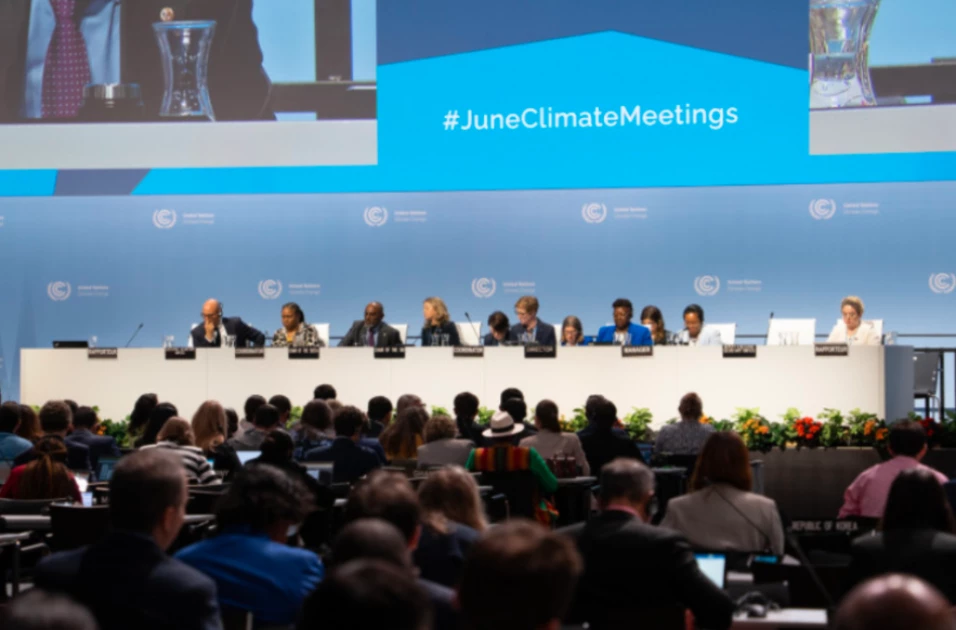
After nearly two weeks of negotiations, the 62nd session of the Subsidiary Bodies (SB62) of the United Nations Framework Convention on Climate Change (UNFCCC) concluded in Bonn, Germany, with cautious optimism.
The SBs (technical meetings held mid-year ahead of the annual COP) serve as a critical forum where countries assess progress, negotiate key agenda items, and prepare the ground for negotiations and decisions during COPs.
The negotiations in Bonn come at a time when the urgency for climate action has never been greater. Climate change is no longer a distant threat, it is a present crisis, especially for Africa, which is warming faster than the global average.
The continent is already grappling with intensifying droughts, floods, biodiversity loss, and deepening food insecurity. According to the African Development Bank, if urgent action is not taken, climate change could cost African economies up to 15% of their GDP by 2030.
Yet while negotiators in Bonn worked to move the climate agenda forward, world leaders at the G7 Summit in Alberta, Canada, held at the beginning of SBs, were largely silent on the climate crisis. This silence was especially striking given the summit’s proximity to devastating wildfires in Aberta, linked to climate change.
The contrast between the two meetings underscores growing geopolitical divergence: while some leaders retreat, others are stepping up with determination.
The spirit and substance of the SB62 negotiations offered hope. Delegates from around the world, including many African countries, showed a willingness to compromise and to ensure that decisions enhance the well-being of people and the planet.
It sent a powerful message: that there are still committed states and experts ready to pull together for global solutions, and that developing countries, though disproportionately affected, are not standing alone.
Groundbreaking Agreement
Among the most notable outcomes was the historic agreement under the Administrative, Financial, and Institutional Matters agenda item, in which Parties agreed, for the first time, to increase their annual financial contributions to the UNFCCC by 10%.
These contributions, based on national GDP and population, fund the Convention’s critical work towards climate action.
This milestone was co-facilitated by Dr. Pacifica Achieng Ogola, Director of Kenya’s Climate Change Directorate, and her Norwegian counterpart. Their leadership was instrumental in securing the agreement after tense, prolonged negotiations. The decision reflects a growing recognition that robust funding is foundational to effective climate governance.
Advancing Gender-Responsive Climate Action
Progress on gender and climate was another encouraging development. Parties agreed to continue refining the draft of the new Gender Action Plan for consideration at COP30 in Belém, Brazil. Kenya and other African countries pushed for stronger commitments to accountability, financing, and inclusion, calling for climate policy that reflects the lived realities of women, girls, and marginalised groups in general.
The GAP is important because gender-blind climate action is ineffective and economically shortsighted. Across Africa, the marginalised gender groups like women and girls, especially in Arid and Semi-Arid Lands, bear the brunt of climate impacts due to pre-existing inequalities, while remaining largely invisible in decision-making spaces.
Yet research shows that interventions excluding women are up to 20% less effective. Gender equity isn’t just a moral imperative, it is smart economics: McKinsey estimates that advancing gender equality in Africa could add up to $550 billion annually to the continent’s GDP by 2026.
Agriculture and Food Security in Focus
Food and agriculture were also central to this year’s negotiations. Delegates finalized decisions on further work on the Sharm el-Sheikh Joint Work on Implementation of Climate Action on Agriculture and Food Security, including a global portal to track agriculture and food security efforts. This comes at a crucial time. Africa’s food systems are in crisis, with climate change, conflict, and inequality converging to undermine food security.
Means of implemnetation
None of these solutions will be realized without adequate, targeted, and well-resourced climate action. Recognizing this, negotiators especially those from developing countries, consistently emphasized the need for robust means of implementation, particularly in the form of finance and technology support, across various agenda items.
The discussions were met with both resistance and progress. While some parties agreed on the importance of reflecting means of implementation in negotiation texts, there were disagreements on how explicitly to frame the responsibility of developed countries.
Yet, as envisioned under the Paris Agreement, means of implementation must clearly affirm that developed countries have an obligation to support developing countries with the necessary resources to enable effective climate action.
Looking Ahead: From Bonn to Belém
The SB62 outcomes have set the stage for a critical year in climate diplomacy. COP30 in Belém will be pivotal moments to build on this momentum. As global political landscapes shift, the message from Bonn is clear: progress is still possible when countries work together with ambition, inclusion, and accountability.
The road ahead is uncertain, but with inclusive leadership and sustained cooperation, a just and resilient future is still within reach.
The writer, Salome Owuonda, is Executive Director, Africa Centre for Sustainable and Inclusive Development (Africa CSID)
Join the Discussion
Share your perspective with the Citizen Digital community.
No comments yet
This discussion is waiting for your voice. Be the first to share your thoughts!