

OPINION: Money leaks you need to fix before 2026
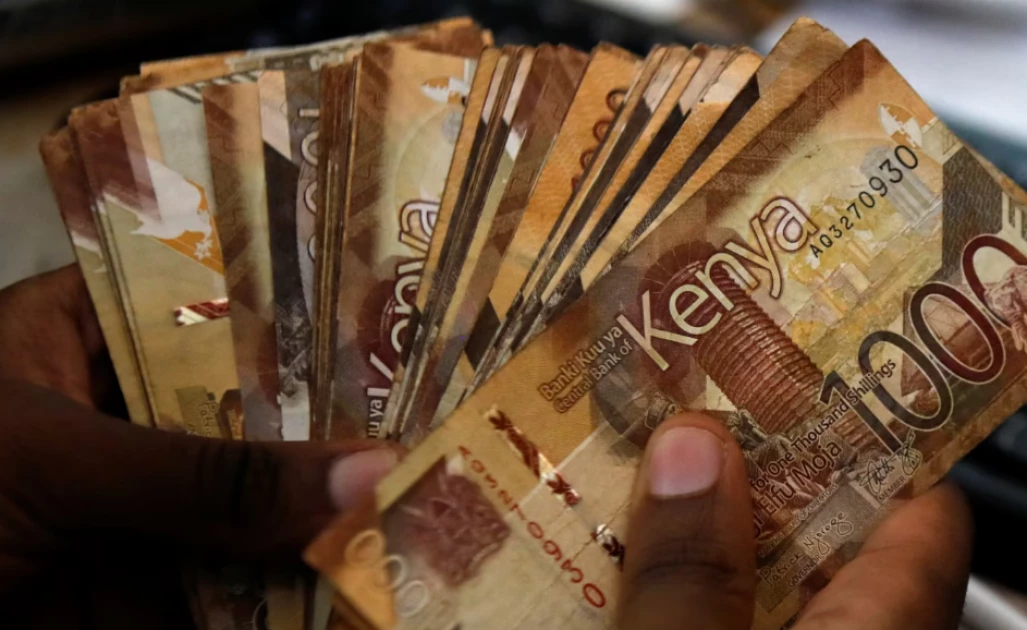
FILE — Kenyan currency notes are pictured inside a cashier's booth at an Equity Bank branch, Nairobi, May 16 2023.

Audio By Vocalize
Every year, so much of our money quietly disappears, not through big mistakes, but through small habits we barely notice. Most of the time, it’s rarely the big financial decisions that hold us back, but the small, repeated habits that quietly drain our income.
These money leaks don’t attract much attention, but
they slowly erode savings, stall investments, and prevent us from making
meaningful progress.
As 2026 approaches, it’s worth taking a closer look at where your money might be slipping away unnoticed. One of the biggest culprits is mobile money. It has made life incredibly convenient, allowing us to pay for food, transport, utilities and even small favours with just a few taps. But that same convenience can blur our awareness of how much we actually spend.
A few hundred shillings
here and there may seem harmless, yet by the end of the month, those casual
transactions can quietly add up to thousands. To stay on top of it, it helps to
download your monthly statement, review every expense, and set spending limits
using simple budgeting tools.
Beyond the spending itself, the convenience of mobile payments also come with transaction fees. Each withdrawal, transfer, or bill payment carries a small charge that, over time, can take a real bite out of your income. Add in late payment penalties or mobile loan or overdraft access fee, and the leak widens even further.
Regularly checking your provider’s tariff guide, automating your
bills, and comparing options like cash or low-fee digital banks can help you
keep more of your money working for you instead of paying for convenience.
Subscriptions
are another area where money quietly disappears. Between subscription-based
entertainment providers for movies or music streaming, fitness apps, and data
bundles that auto-renew, it’s easy to pay for services you no longer use. A
simple review of your mobile payments or bank statements every quarter can
reveal unnecessary charges. Cancel what doesn’t add value and you’ll free up
more cash than you expect.
Idle cash is another silent killer of wealth. Many people keep large balances in their savings accounts because it feels safe, but money that earns little or no interest is actually losing value to inflation. In Kenya, inflation often outpaces the interest rates on ordinary savings accounts.
The smarter approach
is to keep only one month’s expenses in your transactional account and move the
rest into options like money market funds, Treasury bills, or fixed deposits
where your money continues to grow. Even when investing, sometimes people miss
out by letting dividends or SACCO payouts sit idle in their accounts. That
money could be compounding. Reinvesting every return, no matter how small,
keeps your portfolio growing steadily.
Then
there’s lifestyle creep — the gradual increase in spending as your income
grows. When promotions come, so do fancier lunches, new gadgets, or more
frequent nights out. Without realising it, your expenses rise in step with your
earnings, leaving your savings stagnant. Whenever your income increases, decide
beforehand how much goes into savings and investments, then upgrade your
lifestyle only after securing your future goals.
Another leak that’s common but often emotional is lending money to friends and family without clear terms. While it feels good to help, these soft loans often don’t come back, and they slowly erode your financial safety net.
Social spending
pressure is also a quiet drain. Weddings, harambees, baby showers and birthdays
are part of community life, but with regular events, the costs add up. Creating
a monthly giving budget helps you stay generous without compromising your
goals. On lending, it’s okay to say no, or to give only what you can afford not
to recover.
Finally,
have you looked at all the benefits your employer has available? Are you taking
full advantage of those resources? This could be something as simple as a pension
company match or commuter benefits. Make sure you’re taking advantage of the
benefits. Some companies that offer commuter benefits may reimburse you for transport,
while others may give you a certain number of emergency taxi rides. These could
reduce your transport expenses. Talk to your HR and get a full list of benefits
so you can maximize them.
Money
leaks rarely feel urgent, which is why they’re dangerous. They don’t appear all
at once — they creep in through convenience, habit, and unexamined spending.
Yet the moment you start tracking your expenses, auditing your subscriptions,
and putting idle cash to work, your finances begin to shift. Before 2026
arrives, take a weekend to review your habits and plug the leaks. The
difference between financial struggle and financial freedom is often not about
how much you earn, but how much you quietly lose without noticing.
Leave a Comment