
OPINION: The Reality of Climate Finance: Punishing or Protecting Africa?
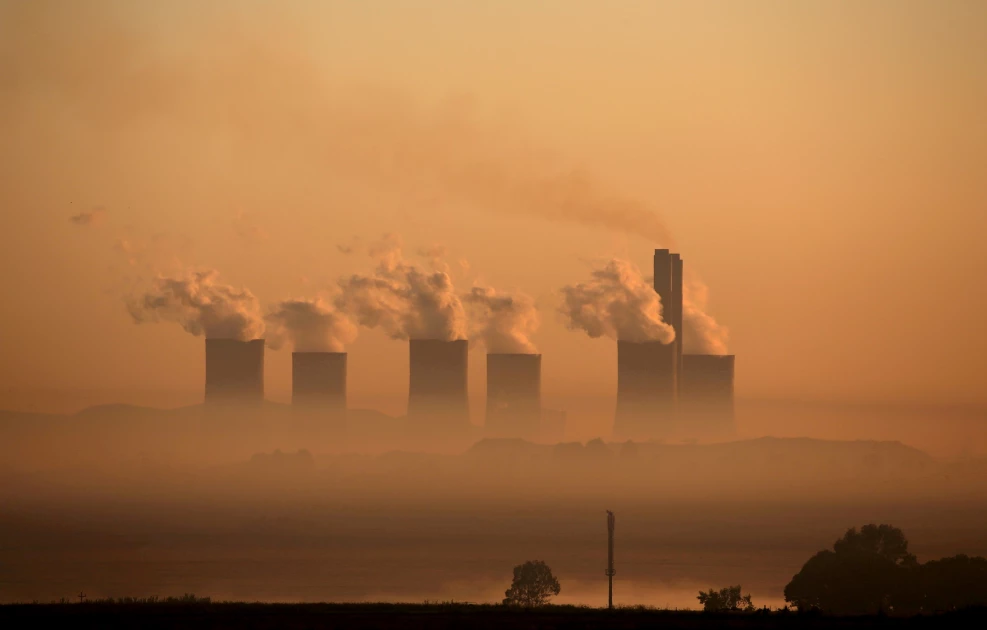
Steam rises at sunrise from the Lethabo Power Station, a coal-fired power station owned by state power utility ESKOM near Sasolburg, South Africa, March 2, 2016. REUTERS

Audio By Vocalize
Imagine someone destroying your home and, instead of restitution, they loan you money to rebuild it. This is the paradox of climate finance in Africa.
In addition to the climate injustices it faces, the continent has been forced to incur debt to protect economies and lives against the impacts of extreme weather events.
As such, the current structure of global climate finance is eroding Africa’s resilience while deepening its dependency.
African communities did little to cause the climate crisis responsible for the erratic rainfall, frequent droughts, and flood cycles that we experience.
Climate finance was originally designed to correct this historical injustice. Today, it is reproducing this injustice through the vicious debt trap that our continent finds itself in.
As climate disasters intensify and wreck the lives and livelihoods of our people, the fiscal capacity to respond to them effectively continues to shrink. Many African countries are between a rock and a hard place. We asked for a lifeline and got a leash instead.
Estimates from the African Development Bank (AfDB) show that the continent owed about $1.5 trillion as of 2023. This is the equivalent of the GDPs of the top five economies in Africa combined.
Even more shockingly, by 2024, Africa was spending about $163 billion annually to service its debt.
One undeniable fact is that the amount of climate finance reaching Africa is often too little, too slow, and largely in debt form, with only about a third of these resources coming in concessional loans.
Lending money to frontline countries to cushion them against climate shocks is not climate finance but a transfer of risk to their balance sheets.
Instead of strengthening the resilience of African nations, debt flows are compounding their vulnerability. Governments are forced to choose between paying credit interest and protecting their people against the next climate disaster.
Mozambique is a case in point. In the financial year 2025/2026, public debt accounted for 78 per cent of the country’s GDP, indicating a crippling debt burden amid climate devastation.
In recent years, the country has experienced a cycle of extreme drought, cyclones, and floods, including the recent one that displaced more than 700,000 people, and the economy badly battered.
The United Nations and regional bodies like the Southern African Development Community (SADC) had to step in to provide humanitarian services to the victims.
To address its climate vulnerability, Mozambique has consistently relied on debt swaps from foreign governments and loans from multinational banks.
These corrective measures haven’t expanded the country’s fiscal space. These debt swaps have been a glass of milk with a pinch of poison - easing short-term stress but lowering the country’s creditworthiness in the long run.
This is the same across Africa, where debt servicing is eroding fiscal capacity, with most countries trapped in a vicious cycle of borrowing money to support adaptation to climate-induced shocks and impacts.
So bad is the situation in Malawi, for instance, with persistent drought making the country heavily dependent on aid and donor funds to address food insecurity. Is this the new definition of adaptation?
For a continent that is still largely underdeveloped, debt distress reduces the funds available for development and response to climate emergencies.
When a significant portion of national resources goes towards offsetting debt, little else is left for emergencies, early warnings, and loss and damage.
When countries borrow to rebuild infrastructure damaged by floods, for instance, this causes a buildup of existing debt and, consequently, long-term fiscal constraint. Their ability to respond to future climate emergencies is further limited.
Global climate action is not achievable without debt reform. These reforms are critical to help free up resources for climate interventions for the most vulnerable communities in the world, including providing water, enhancing food security, and boosting access to clean energy.
So far, what Africa has been receiving in the name of climate finance is a bill. A bill that has severely constrained its ability to finance development and respond to climate shocks.
If global reforms on climate finance are to be truly transformational, they must begin with relieving Africans of this oppressive bill.
Africa and the Global South need climate finance solutions underpinned by meaningful debt reform that facilitates lower borrowing rates, longer repayment periods, and vacates stringent conditions to restore a healthy fiscal space.
Reforms that fall short of this will only keep Africa trapped: choking in debt, underdeveloped, and more vulnerable to climate impacts.
Mercy John is a Climate Finance Fellow at Power Shift Africa
Join the Discussion
Share your perspective with the Citizen Digital community.
No comments yet
This discussion is waiting for your voice. Be the first to share your thoughts!