
Policy uncertainty clouds future of children’s homes as demand for care persists
At Children’s Gardens Home and School in Kawangware, Nairobi, founder Moses Ndungu says demand remains high, with the institution currently housing about 250 children and supporting nearly 600 learners.

Audio By Vocalize
The policy aims to phase out Charitable Children’s Institutions (CCIs) in favour of foster care and adoption. While widely supported in principle, stakeholders say persistent poverty, abuse, and family breakdown continue to drive children into care.
At Children’s Gardens Home and School in Kawangware, Nairobi, founder Moses Ndungu says demand remains high, with the institution currently housing about 250 children and supporting nearly 600 learners.
“We still receive abandoned children, abuse cases, and those rescued from the streets. The idea is good, but the question is whether the systems are ready,” he said.
Former beneficiaries say such institutions remain critical in bridging systemic gaps. Sophia Zaina, who joined the home at age nine, is now a trained clinical medicine graduate awaiting certification.
“I don’t know where I would be without this place. It provided education, food, and hope,” she said.
Paul Oduor also credits the home with transforming his life, helping him overcome a difficult background and focus on education.
“This place changed my life. I found direction and avoided bad influence,” he said.
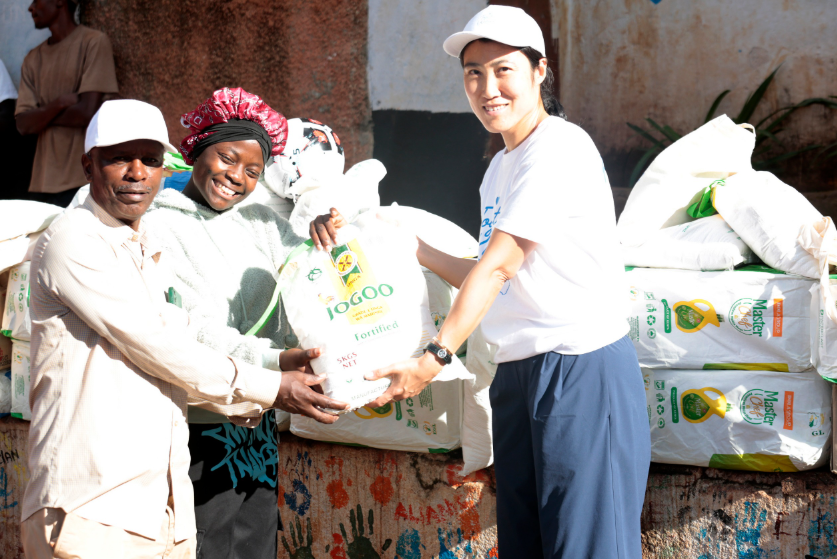
The home continues to rely heavily on donor support. A recent visit by a group led by Siyuan Ren brought food, clothing, school supplies, and education support to the institution.
“We want to help people in need and support their future,” Ren said, noting the initiative is part of an ongoing commitment.
Ndungu warned that closing children’s homes without strong alternative systems could worsen the situation, potentially increasing the number of children living on the streets. He also highlighted funding gaps, noting that while food donations are common, essential needs such as healthcare, utilities, and staffing require consistent financial support.
Stakeholders are now calling for a phased approach that strengthens families and community systems before fully implementing the policy, emphasizing that reforms must ensure every vulnerable child remains protected and supported.
Join the Discussion
Share your perspective with the Citizen Digital community.
No comments yet
This discussion is waiting for your voice. Be the first to share your thoughts!