
Questions after oil ships dock in Mombasa as shortages persist amid hoarding claims

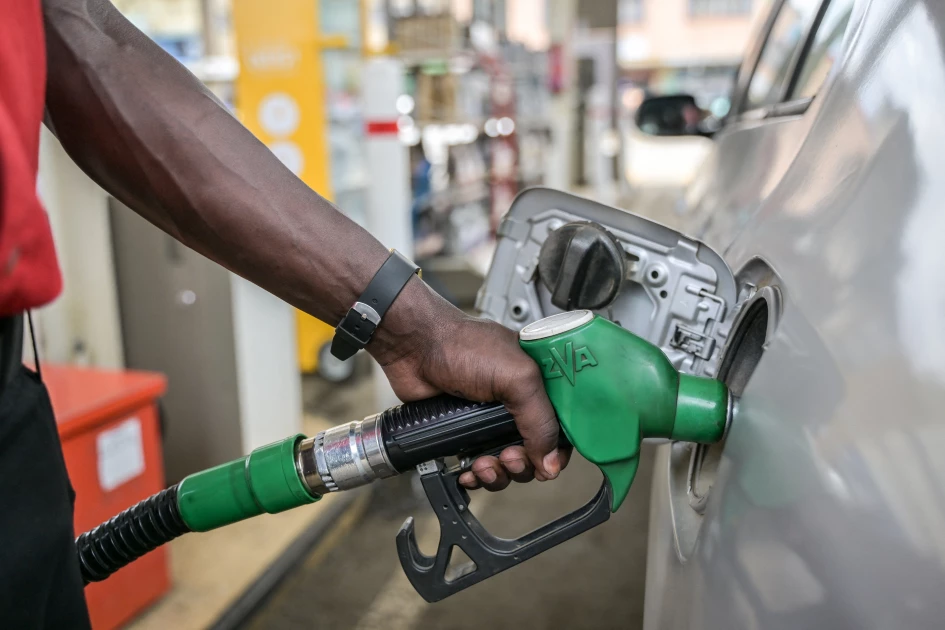
A pump attendant pumps fuel into a car at a gas station in Nairobi, on September 19, 2023. International oil prices fell on November 22, 2023 after a key ministerial meeting of the Organization of the Petroleum Exporting Countries (OPEC) and its allies was pushed back from November 26 to November 30. (Photo by SIMON MAINA / AFP)

Audio By Vocalize
A fresh fuel tanker has docked at the Port of Mombasa, offering some relief in what is quickly turning into a nationwide fuel crisis.
This now brings the number of vessels received in just two weeks to four, with another expected at the end of the month.
Motorists across the country continue to report shortages at several petrol stations, with oil marketing companies accused of hoarding fuel as they wait for retail prices to increase.
Oil marketing companies such as Shell have admitted to stockouts at some stations, attributing this to an unexpected increase in demand.
“When these guys who fuel the rural economy, they are the ones in charge of
fueling boda bodas, and proboxes and sientas, basically the rural economy, when
they don’t have product there is a lot of strain the mainstream franchise
petrol station networks, and so it doesn’t matter the level of stock that they
have, as long as the people in the villages don’t have fuel, they will all
troop into towns and it becomes logistically impossible to fuel all these
motorbikes," said
Smaller resellers, who make up about 68 per cent of all
retail outlets in the country, accuse large oil marketing companies of
withholding supply and pushing prices beyond their reach, leaving their
stations dry even as demand surges.
“Again, when they have to sell, they release that fuel at almost what
we call the pump price, because they are trying to maximise their profits,
remember EPRA has not given the wholesale cap so they will sell at what EPRA
has gazetted which is the pump price. If they sell at the pump price, the guy
from the village cannot buy that fuel to go and sell because they must have a
markup. They must have a margin," said Chomba.
The Energy and Petroleum Regulatory Authority (EPRA) says it
will compensate firms importing additional volumes or incurring extra costs
during this period, in a bid to keep supply moving and prevent a deeper crisis.
The Ministry of Roads and Transport has raised concerns over
what it terms premature fare increases by airlines.
Principal Secretary for Aviation Terry Mbaika says the
aviation industry still has sufficient fuel stocks estimated at about 45 days,
and has cautioned airlines against what she describes as predatory pricing.
Despite this, carriers including Jambojet and Skyward
Express have already issued notices of planned airfare increases starting April
1, citing anticipated rising fuel costs.
A section of players in the sector is now calling for the
suspension of the government-to-government fuel acquisition deal to allow
diversification of source markets until the situation stabilises.
Join the Discussion
Share your perspective with the Citizen Digital community.
No comments yet
This discussion is waiting for your voice. Be the first to share your thoughts!