
Revealed: Thousands of Kenyans being denied essential medicines in public hospitals
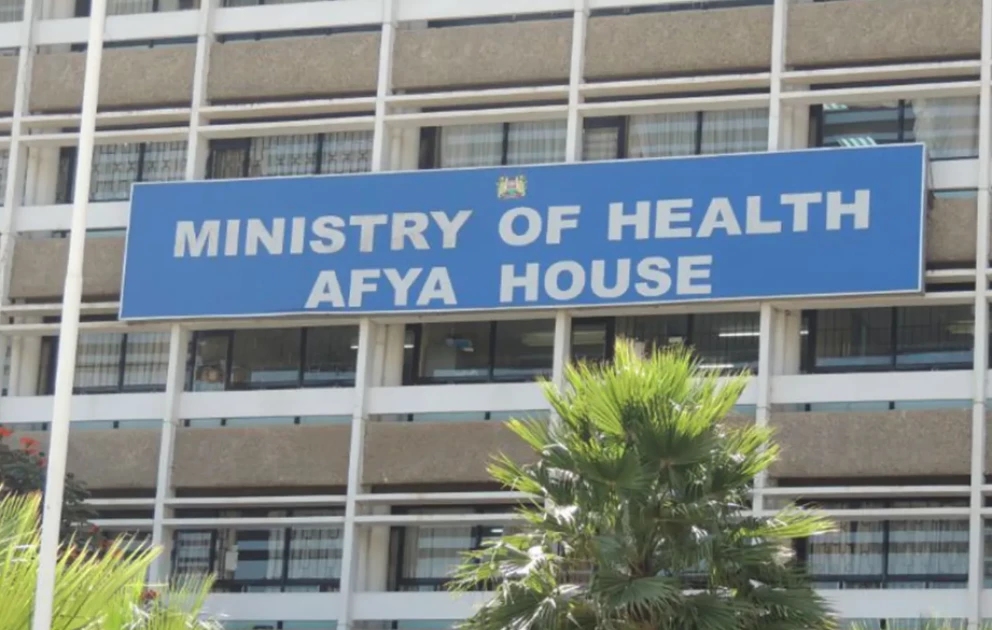
File image of the Ministry of Health headquarters at Afya House in Nairobi. PHOTO | COURTESY

Audio By Vocalize
The Ministry of Health has revealed that thousands of Kenyan patients are being denied essential medicines in public hospitals, raising concerns over patient welfare and systemic corruption.
Health
Cabinet Secretary Aden Duale told the National Assembly’s health committee that
while thousands of patients access services in referral hospitals, only a small
fraction actually receive prescribed drugs.
“Since the
Social Health Authority (SHA) was established, we have observed that many
patients are not receiving medicines from public hospitals,” Duale said. “For
example, in referral hospitals such as Kakamega and Bomet, over 52,000 patients
have been digitally registered, yet only 9,000 received drugs. This is deeply
concerning.”
Duale
further highlighted the prevalence of private chemists surrounding public
hospitals. “Take Kisii Hospital, for instance—the entire hospital is surrounded
by chemists. This trend is repeated in Nyeri, Garissa, and other counties.
Often, these pharmacies are owned by hospital staff, who direct patients to
purchase medicines privately,” he said.
To address
the issue, Duale said measures are being implemented to ensure patients receive
prescribed medicines. The SHA has adopted a policy that hospitals will not be
reimbursed for drugs that are not dispensed to patients. “If you are a member
of the Social Health Insurance Fund and are denied medicine, SHA will not pay
those claims. They will pay for services rendered, but not for drugs that were
not dispensed,” he explained.
Duale also
challenged referral hospitals to strengthen their revenue streams by tackling
corruption and improving governance. “Hospitals should be able to finance their
activities. By implementing these strategies, rooting out corruption, and
improving management, we are moving in the right direction,” he said.
Leave a Comment