

Rising HIV infections among Kenyan youth signals urgent call to action
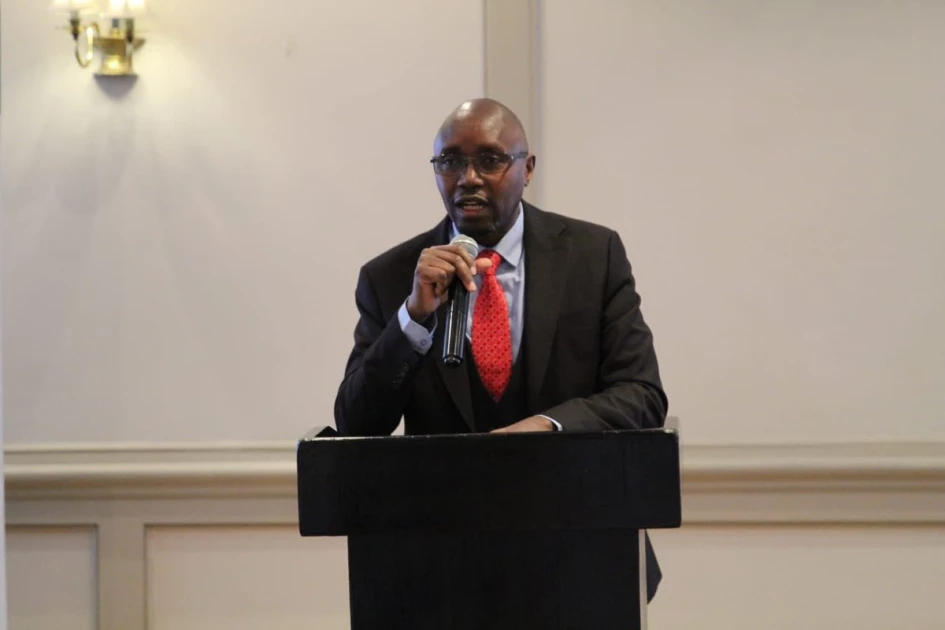
Dr. Samuel Kinyanjui, Country Director AHF Kenya

Audio By Vocalize
Kenya
is facing a deepening HIV crisis, particularly among adolescents and young
people, as new infections in the 10-19 age group surged over the past year,
contributing to nearly 20,000 new cases nationally.
Adolescents
and young people now account for almost a third of all new HIV infections. At the same time, children remain highly vulnerable, with mother-to-child transmission on
the rise, posing a growing challenge for national health systems.
As
the country joins the world in marking World AIDS Day 2025, the urgency of the
response has never been clearer.
Globally,
over a million people acquire HIV each year, and nearly 40 million live with
the virus, with women and girls bearing more than half of this burden.
Persistent
stigma, discrimination, inequality, and high costs of modern prevention tools
continue to restrict access to life-saving innovations.
Experts
warn that Kenyan youth face a “triple threat”: high HIV vulnerability,
persistent adolescent pregnancies, and escalating sexual and gender-based
violence.
While
adolescent pregnancy rates have declined slightly, figures remain critically
high, with girls aged 10-14 representing a worrying share of early pregnancies.
Reports
of violence against children are rising, compounding health, social, and
economic challenges.
The
country spends billions annually addressing HIV treatment, gender-based
violence, and the long-term effects of adolescent pregnancies, including lost
productivity and opportunities for young women.
Sexually
transmitted infections (STIs) are also rising sharply, particularly among
adolescents, PrEP users, and key populations.
Recent
screenings at AHF-Kenya’s wellness clinics revealed that most clients tested
positive for major STIs, often without showing symptoms—a silent epidemic that
exacerbates HIV vulnerability and underscores the need for routine screening,
early treatment, and expanded prevention services.
In
response, the AIDS Healthcare Foundation (AHF) Kenya, in partnership with the National
Syndemic Diseases Control Council (NSDCC), the Media Council of Kenya, and NASCOP,
launched the Voices of Impact: HIV & STIs Media Awards 2026.
The
initiative aims to revive rigorous, ethical, and people-centred journalism on
HIV and STIs, addressing gaps in public awareness and policy coverage.
“Members
of the fourth estate can change a national conversation with six hundred words
and a headline that fits on a smart phone screen,” AHF Kenya Country Director Dr.
Samuel Kinyanjui said.
He
added that the awards are a national nudge and a reminder that Kenya’s HIV
story still matters.
At
the launch, partners emphasized that Kenya has over a million people living
with HIV, with adolescents and young people increasingly at risk.
They
stressed that the intertwined crises of HIV, early pregnancy, and violence
require a whole-of-society response. “If we ignore one piece of that knot, the
rest tightens,” Acting CEO of NSDCC Douglas Bosire noted.
The
Voices of Impact Awards will recognize journalism that highlights prevention,
testing, and treatment, exposes policy gaps, and humanizes the experiences of
those affected by HIV and STIs.
Winners
will receive a cash prize and the title of HIV & STIs Media Champion –
Kenya (2026), with entries judged by senior journalists, health experts, and
academics under strict guidelines to ensure integrity.
World
AIDS Day 2025 activities will include a national half-marathon at Nyayo Stadium
on November 30, alongside county-level medical camps, candlelight vigils,
peer-led dialogues, dignity-kit distributions, and town-hall forums.
AHF
teams will host public commemorations featuring free HIV testing, STI
screening, prevention education, PrEP information, youth performances, and
community mobilization to strengthen awareness and service uptake.
“Africa
has made great strides against HIV, but rising infections, especially among
adolescents and young women, remind us that the fight isn’t over,” said Martin
Matabishi, AHF Africa Bureau Chief.
“To
truly transform the AIDS response, we must embrace inclusive health policies,
promote combination prevention, and empower communities to lead the fight
against stigma and inequality.”
Local
AHF leaders highlighted the urgent need to protect adolescents and reconnect
the national response to community realities, stressing that innovation,
accountability, and equity are essential.
Modern
tools, including long-acting injectbles, must be accessible and affordable to
have meaningful impact.
World
AIDS Day remains a platform to acknowledge progress, remember lives lost, and
honor those still fighting HIV/AIDS.
It
is also a call to governments to recommit resources and political will and to
the media to reclaim their role in shaping public understanding and action.
“Words
shape policy. Headlines shape public will. Stories change behaviour. Let us
reclaim the HIV narrative, elevate the national conversation, and protect a
generation. This World AIDS Day, Kenya’s message aligns with the AHF global
call: It’s Not Over,” Dr. Kinyanjui concluded.
Leave a Comment