
Sakaja seeks prosecution powers for counties after South C building collapse

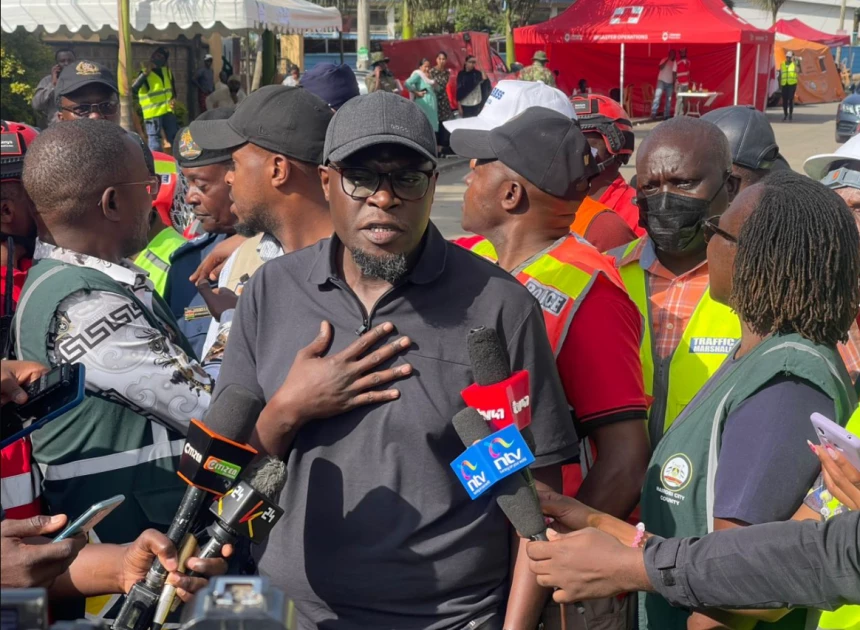
Nairobi Governor Johnson Sakaja speaks at the site of a collapsed building in South C on January 4, 2026.

Audio By Vocalize
Nairobi Governor
Johnson Sakaja has demanded the return of prosecution powers to county
governments as the capital continues to wrestle with a building safety crisis
that has claimed lives and shattered public confidence.
Speaking on day
three of rescue operations after a building collapsed in South C, Sakaja
acknowledged the mounting frustration among residents who have watched illegal
and substandard constructions rise unchecked across the city.
The Governor addressed
both the systemic failures that have enabled dangerous developments and the
difficult decisions his administration now faces.
"There are
challenges expressed over time. The prosecution powers need to be returned to
the county," Sakaja said.
He intimated that,
without the authority to prosecute directly, county officials are forced rely
on coordination with national agencies, a process that can delay justice and
allow non-compliant developers to slip through cracks in the system.
Sakaja, however, was
careful to emphasize that his administration would not abandon due process,
even in moments of crisis.
He outlined a
system where developers would bear legal responsibility for their work through
signed indemnities, ensuring that professionalism remains the standard.
"Once the
approval is done, the developer signs an indemnity as professionalism is
maintained. We will continue upholding the integrity," he stated.
But integrity, he
made clear, also demands consequences: "Someone must pay for all this. Lives
lost will not be returned."
The Governor's
words hung heavy with the reality facing families who have buried loved ones
crushed beneath concrete and steel.
“No amount of
prosecution or regulatory reform can restore what has been taken.” Sakaja
stressed. Yet accountability, Sakaja suggested, is both a moral obligation and
a necessary deterrent.
His administration
now faces the delicate task of investigating buildings adjacent to collapsed
structures, a process that could displace more families but may prevent future
tragedies.
"The house
nearby the collapsed house will have to go through investigations to confirm
suitability," Sakaja said, acknowledging the disruption this would cause.
He also cautioned
against knee-jerk demolitions that could destroy legitimate investments without
proper investigation.
"Bringing
such an investment down without investigation is bad even to the owner,"
he noted, striking a balance between urgency and fairness.
Join the Discussion
Share your perspective with the Citizen Digital community.
No comments yet
This discussion is waiting for your voice. Be the first to share your thoughts!