
This diet with exercise reduces dangerous belly fat and more, study says
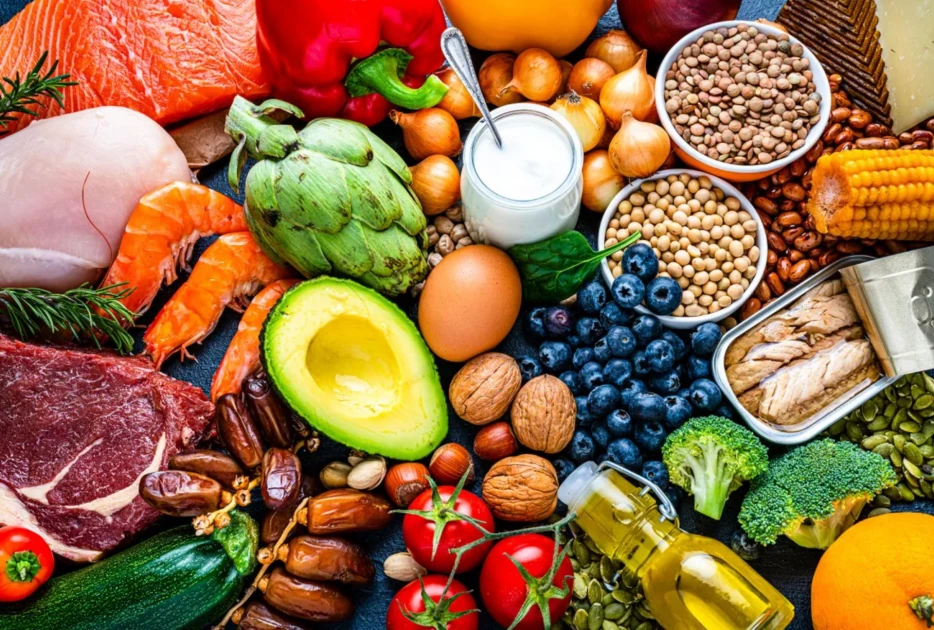
A lower-calorie Mediterranean diet could include proteins such as salmon, chicken breast and tuna, as well as fruits, vegetables, nuts, seeds, legumes and olive oil. | CNN

Audio By Vocalize
Older
people who followed a lower-calorie Mediterranean diet and minimally exercised
up to six days a week gained muscle and lost a significant amount of body fat
by the end of a year and kept much of it off for three years, according to a
new study.
“This
study demonstrates that a calorie-controlled Mediterranean diet plus exercise
does not simply produce weight loss; it results in a redistribution of body
composition from fat to muscle,” said Dr. David Katz, a specialist in
preventive and lifestyle medicine, who was not involved in the study.
In
addition to a loss of overall body fat, participants in the study lost
dangerous visceral belly fat, which could lead to diabetes, heart disease and
stroke.
While
the findings of the new study are “no surprise,” they extend the benefits of
diet and exercise “from mere weight loss to the mobilization of harmful,
visceral fat,” said Katz, president and founder of the nonprofit True Health
Initiative, a global coalition of experts dedicated to evidence-based lifestyle
medicine.
Visceral
fat cannot be seen. It lies behind stomach muscles, surrounding organs deep
within the abdomen. If visceral fat is about 10% of your body’s total fat mass,
that’s normal and healthy, according to the Cleveland Clinic. Too much visceral
fat, however, can create inflammation, contributing to chronic disease.
“This
study confirms that we can profoundly change our metabolic status,” said
leading nutrition researcher Dr. Walter Willett, a professor of epidemiology
and nutrition at Harvard T.H. Chan School of Public Health and professor of
medicine at Harvard Medical School in Boston.
“We
now need to provide a supportive environment and resources to help people make
this shift because this will benefit both individuals and society as a whole,”
said Willett, who was not involved in the study.
Part
of a longer study
The
research is part of an eight-year randomized clinical trial in Spain, with 23
research centers testing how diet and exercise can reduce cardiovascular risk
in men and women between the ages of 55 and 75. All of the 6,874 participants
in the trial were overweight or obese and had metabolic syndrome — high blood
pressure, high blood sugar, altered cholesterol and excess fat around the waist.
The
new study, published Wednesday in the journal JAMA Network Open, examined one-
and three-year results in a subpopulation of 1,521 people who underwent scans
to determine levels of visceral abdominal fat.
Half
of the group was asked to follow a Mediterranean diet with a 30% reduction in
calories and limit the intake of added sugar, biscuits, refined breads and
cereals, butter, cream, processed meats, and sweetened drinks. In addition, the
intervention group received help from trained dietitians three times a month
during the first year, along with training on how to self-monitor and set
goals.
That
same group was also asked to increase their aerobic exercise over time to
walking 45 or more minutes a day along with exercises to improve strength,
flexibility and balance, all of which are critical to aging well.
“When
you cut calories, you lose both lean and fat mass. When you add exercise, it helps to protect
lean mass, especially if you add resistance training to build muscle.
Generally, the ideal is to lose fat, retain muscle,” said Katz, who led
published research on how to use food as preventive medicine.
The
remaining participants were given general advice during group sessions twice a
year and served as the control group for the study.
“It
would have been much more informative had the control group received a similar
high-intention support (even if it only contained generic advice),” said Gunter
Kuhnle, a professor of food and nutritional science at the University of
Reading in the United Kingdom, who was not involved with the study.
“Motivation
and compliance is very important in studies that investigate behaviour change,
and the study design clearly favoured the intervention,” Kuhnle said in an
email.
Modest,
but significant findings
At
the end of one year, people in the intervention group who followed the
lower-calorie Mediterranean diet and exercised lost a modest amount of body fat
during the first year, but it was significantly more than the control group.
However, the intervention group did gain some of the fat back in years two and
three as dietary advice and support was removed. The smaller amount of body fat
lost by the control group remained stable over the three years.
However,
“only participants from the intervention group decreased grams of visceral fat
mass,” while visceral fat mass remained unchanged in the control group,
according to the study.
Both
groups did gain some lean muscle mass, but the intervention group did have a
“more favorable body composition” in that they lost more fat than muscle, the
authors said.
“What
is most profound to me is the 3-year follow-up,” said Dr. Christopher
Gardner, a research professor of
medicine at the Stanford Prevention Research Center in California who directs
its Nutrition Studies Research Group. He was not involved in the study.
“We
rarely have studies to cite that were anything longer than a year,” Gardner
said in an email. “The magnitude of the 3-year differences are modest, and the
trend from 1-year to 3-year suggests that at 6-years the effects may be
diminished to insignificance.” Still, he added, “3-year statistically
significant differences are impressive!”
Mediterranean
diet
Studies
have found the award-winning Mediterranean diet can reduce the risk for
diabetes, high cholesterol, dementia, memory loss, depression and breast
cancer. The diet, which is more of an eating style than a restricted diet, has
also been linked to stronger bones, a healthier heart and longer life.
The
diet features simple, plant-based cooking, with the majority of each meal
focused on fruits and vegetables, whole grains, beans and seeds, with a few
nuts and a heavy emphasis on extra-virgin olive oil. Fats other than olive oil,
such as butter, are consumed rarely, if at all, and sugar and refined foods are
reserved for special occasions.
Red
meat is used sparingly, usually only to flavor a dish. Eating healthy, oily
fish, which are packed with omega-3 fatty acids, is encouraged, while eggs,
dairy and poultry are eaten in much smaller portions than in the traditional
Western diet.
Social
interactions during meals and exercise are basic cornerstones of the
Mediterranean style of eating. Lifestyle changes that are part of the diet
include eating with friends and family, socializing over meals, mindfully
eating favorite foods, as well as mindful movement and exercise.
Join the Discussion
Share your perspective with the Citizen Digital community.
No comments yet
This discussion is waiting for your voice. Be the first to share your thoughts!