

US–Iran conflict disrupts shipping as pressure mounts at Mombasa, Lamu ports

Audio By Vocalize
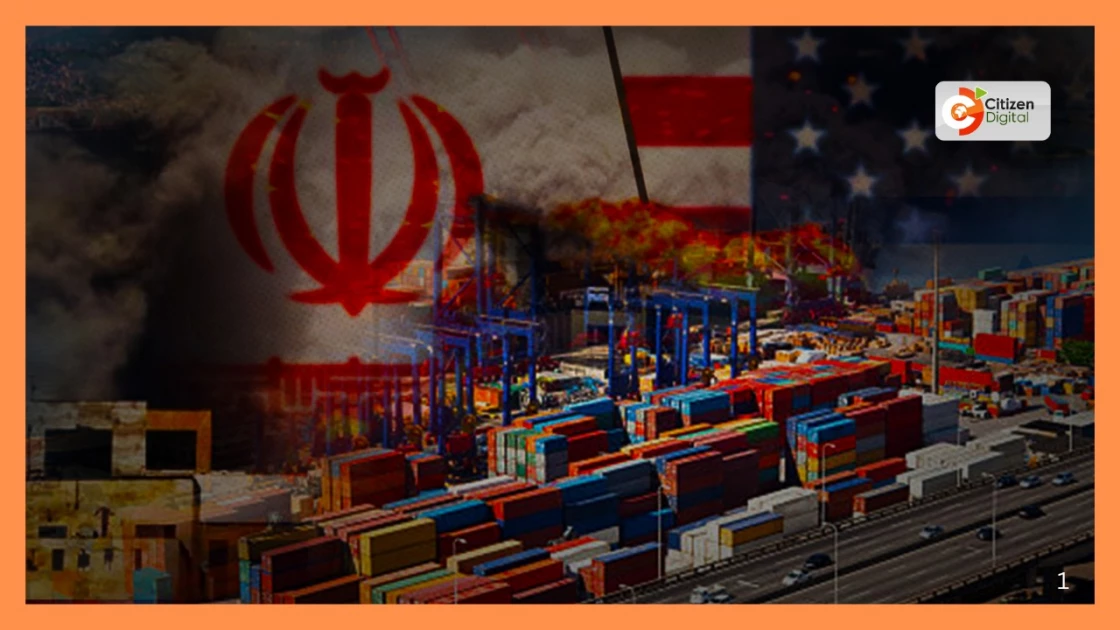
As the conflict between the United States, Israel, and Iran escalates, businesses and shipping companies are growing increasingly concerned over disruptions to the global supply chain.
In Kenya, the Port of Mombasa is already feeling the impact,
with vessels headed for the Middle East docking in large numbers.
Maritime stakeholders say over 3,200 vessels are stranded at
the Strait of Hormuz, driving shipping and insurance costs up, in some cases
doubling them.
The tensions have forced the vessel Grande Florida
Palermo to dock at the Port of Lamu. The ship, originally headed from Japan
to Jebel Ali Port in Saudi Arabia, offloaded over 3,500 vehicles, which will
remain in Lamu until stability returns in the Middle East.
This is the second vessel to dock in Lamu in less than two
weeks, as the Port of Mombasa similarly sees a surge in ship traffic and cargo
destined for the Middle East.
“The business is picking up; we are even constrained in
terms of capacity and space. But with the support of the government, we are
doing everything we can to build capacity so that we can meet the demand. " The demand is really overwhelming on our side,” said KPA Managing Director Capt.
William Ruto.
Kenya Ships Agents Association CEO Elijah Mbaru added, “Ships
now are opting to drop cargo that was destined to the Middle East in other safer
ports, especially in Southeast Asia, and we have seen some of the ports are
already choked like Nehru Port; it’s at 65%.”
The most affected route is the Strait of Hormuz, with over
3,200 vessels stranded, representing about 20 per cent of global oil and cargo
shipments.
The current challenge remains the threat from Iran, which
has warned of attacks on vessels that defy its directives, forcing ships to
alter routes and increasing both transport and insurance costs.
“The charter fee has jumped from 100,000 USD to 400,000 USD.
Exporters of tea and coffee to the Middle East are now in limbo as they seek
alternative markets. ships are now forced to take detours, sometimes adding 10
to 14 days to their journeys,” Mbaru added.
Stakeholders in the sector say some vessels have already
suspended their voyages, leading to delays in the arrival of cargo into the
country.
Leave a Comment