
Wananchi Opinion: Capital projects should benefit locals, and they do most of the time
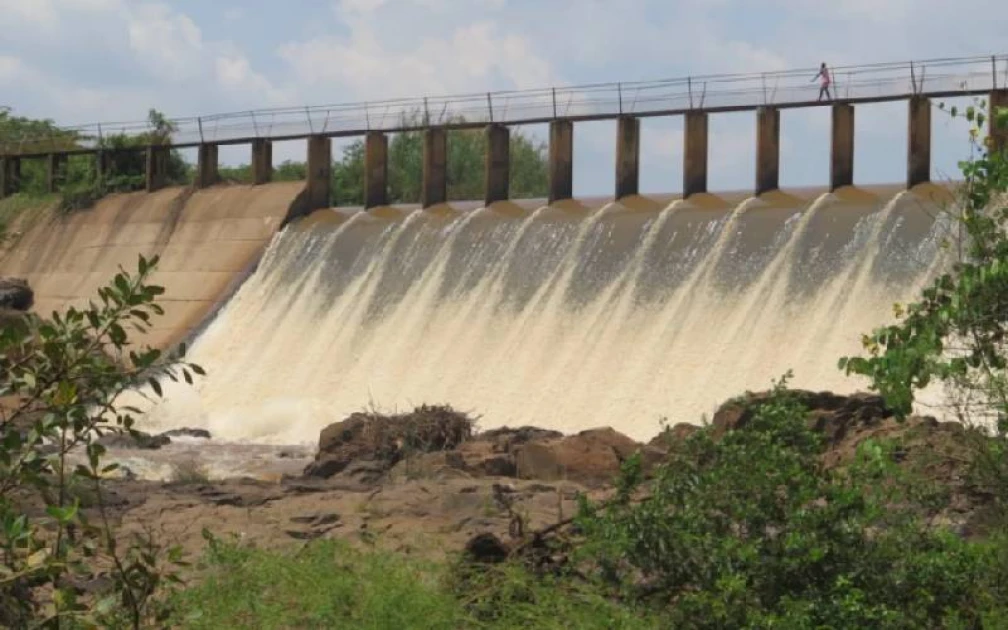
Gogo falls. [Photo/Courtesy]

Audio By Vocalize
I had an opportunity to understand the importance of a capital project to the locals while undertaking the feasibility study and environmental and social impact assessment for the Gogo Hydroelectric Power Plant redevelopment project as a field officer with Stantec.
Commissioning of the power station began in the 1950s and has had quite a long and interesting history, being one of the oldest power plants in the Country.
It quickly became apparent during our fieldwork that the redevelopment of the Gogo Hydroelectric Power Plant was much more than a technical issue for the people in the area; for many, it represented progress.
One of the benefits that everyone repeatedly expressed and had hopes for was reliable and affordable electricity upon the redevelopment of the power plant.
To the local business owners, a stable supply of power could open up avenues for new business ideas, agricultural processing, and even digital services among others.
As for the youth on the other hand, employment opportunities were among the major expectations.
They indicated that a project of this scale will open employments for the local residents, be it skilled jobs, such as technicians or unskilled jobs, such as general labour, security and logistics. Many assert that even temporary work can really better their lives.
The environmental expectations also arose time and again as people living along the river spoke of soil erosion, seasonal flooding, and the steady loss of vegetation along the banks, and said they expect the project to go beyond mere generation of power and attend to such long-standing issues through dredging, reforestation, riverbank restoration, and larger conservation.
These, to them, are basic protections of their farms, homes, and water sources that they rely on daily.
This was more noticeable amongst the elderly, who were actually expecting tarmacking or improvement of the already existing roads, provision of safe and clean water for domestic use alongside Corporate Social Responsibilities such as scholarships.
The government has so far mobilised Sh8.3 billion, about €55 million or $64 million for the project comprising of €35 million from German Development Bank, KfW and a €20 million EU grant according to Ministry of Energy and petroleum, state department for Energy.
The project will kick off following an onsite visit by the Energy Cabinet Secretary Opiyo Wandayi accompanied by Migori Governor Dr. Ochilo Ayacko.
The redevelopment of Gogo Falls, to my mind, is more than adding a few megawatts to the grid.
Fairness, dignity, and hopes of finally benefiting from this resource that has always been on their doorstep-for decades, the communities have expected one thing from this development: stable power supply, job creation for locals, better business opportunities, and a healthier environment.
The ultimate litmus test, however, is not in technical reports but whether the plan truly improves daily lives of those waiting for it.
Therefore, an ideal government project should be anchored on the direct impact it has on people it is meant to serve. This incorporates views and needs as some of the guidelines to come up with holistic approaches to Development projects.
What the government needs is a simple scorecard that, among other metrics, evaluates how many people are impacted both positively and negatively by such initiatives; the true success of a project is seen not on paper but in the tangible results it has on livelihoods.
Brian Dibogo is a climate change crusader and sustainable finance practitioner.
Join the Discussion
Share your perspective with the Citizen Digital community.
No comments yet
This discussion is waiting for your voice. Be the first to share your thoughts!