

Wananchi Opinion: Don’t warn us about the rains, just fix the drainage
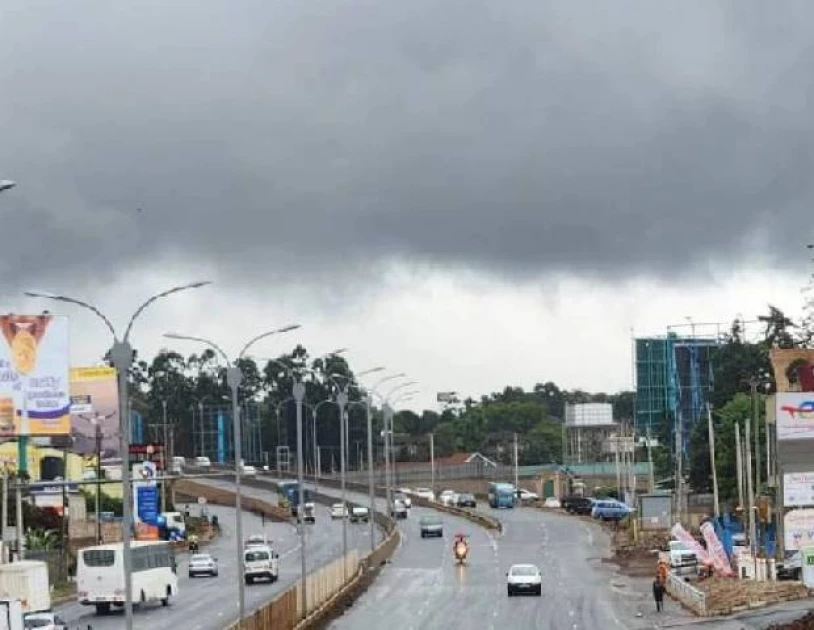
In Nairobi, the "rainfall warning" has remained just another obituary of the most vulnerable people in the city. [Photo/Courtesy]

Audio By Vocalize
The rains that pounded Nairobi on Friday, March 6, 2026, will go down our history books. That day marked the beginning of a nightmare that has already claimed the lives of many.
When the gates of heaven opened, it turned the "Green City in the Sun" into yet another stretch of soft mud, floating debris and the wild shrieks of a city that was trapped in a downward spiral of preventable disaster.
The Kenya Meteorological Division had been irate. The warnings were already issued as early as February 25: "The rains are coming."
However, in the slums of Mathare and Mukuru, a warning is a luxury that the poor cannot afford to take heed to.
What do you transfer when all your life is constructed on ten-foot of land on a riverbank?
What do you do when the drainage that was supposed to drain the rain is already blocked with uncollected plastic garbage in the city?
It is an annual story all the same, 'the Nairobi River turned over itself on Friday night, claiming lives, destroying properties, making many homeless, jobless'.
The government the asks us to move, but never tell us where to go.
They assure us it is to keep us safe yet the last time we see them is when they visit to count bodies or deliver a bag of maize, when we are left with nothing after losing everything.
When Uhuru Highway was reduced to a canal and high end
SUVs were washed away with handcarts at the Mombasa Road, people became angry at the clouds, yet changed that anger to the City Hall.
The issue on the minds of all the citizens of Nairobi is not when it will end or when it starts to rain but "Where did the money go to?, why has the government not done anything yet concerning the drainage system, with the consistent annual flooding?"
As recently as last month, the Nairobi County Government talked about a Sh60 billion needed to revamp the draining system that was disintegrating in the city in the 1970s.
But to the commuter who, in wading up to his waist at the Khoja roundabout, has that water on his legs, those billions are the ghost of it, often spoken of, often referred to, but never to be seen in the real sense of a riverbank being hardened or a pipe being challenged.
Nairobi Governor Johnson Sakaja has asked the national government to intervene on the matter monetary wise.
The energy of its belief, however, according to critics, is not sincere, and what you expose yourself to in the eyes of a drowning city is the cold efficiency of a bureaucracy that is extremely efficient at responding to the moment but deliberately inactive in the preventive department.
The planners have been complaining that Nairobi was choking on its own development.
The sudden urbanisation has substituted the soil with the concrete and the rain water has no other way to go but up. The tragedy has a geography which is constant between the landslides in Mathare to South C.
The city has constructed upon its wetlands and clogged its blood vessels with some development that is not guided by the natural laws.
The Kenya Defence Forces (KDF) and Red Cross crews are today surveying the shrinking waters in retrieving more lifeless bodies but the city is left with a common, bad taste in its mouth.
The relief of the food provided in Kasarani and Shauri Moyo will be a welcome move, but it is a bandage on a gashed infected wound.
As long as Nairobi is to be called the Regional Hub it is pretentious to say it is, the drainage of its streets must be done as promptly as the drainage of the streets.
The sky will tear once more, that may be as early as tomorrow, and another alert will definitely be given by the Meteorological Department.
However, as long as the government does not make the drainage of the city a human rights concern but an acquisition opportunity, the "Rainfall Warning" will remain just another obituary of the most vulnerable people in the city. Is the Government only to blame or have the people contributed to the disaster at hand?
Leave a Comment