
Why AFC Leopards, Kenyan clubs got shortchanged after Sichenje move to Charlton
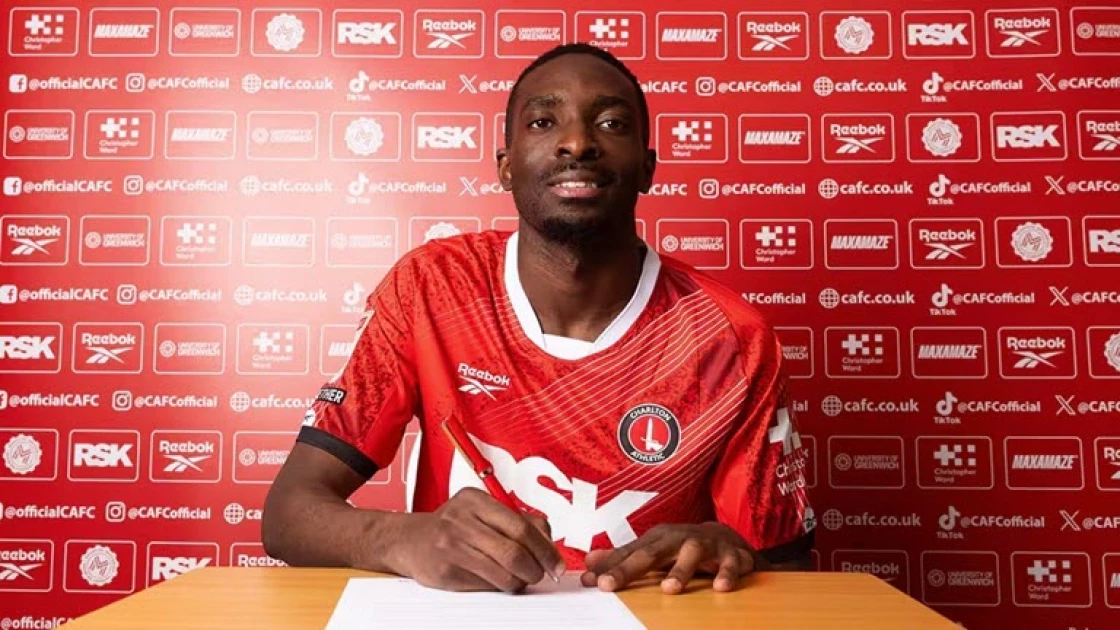
Collins Sichenje has joined English Championship side Charlton. PHOTO/ Charlton FC.

Audio By Vocalize
The 22-year-old signed a three-and-a-half-year deal on Monday after Charlton snapped him up from Serbian club FK Vojvodina for a reported fee of around €1.9 million (roughly Ksh 290 million).
It's massive news for Kenyan football — another homegrown talent breaking into Europe.
But while fans celebrate and Sichenje beams in his new Addicks kit, many are asking: Where's the money for the Kenyan clubs that helped shape him?
Sichenje started at Green Commandos (Kakamega High School team), then joined AFC Leopards in 2019.
He shone there, earned his first Harambee Stars call-ups, and later moved abroad — first a brief Greece stint, back to Leopards, then Sweden's AIK in 2022, loans in Finland and Serbia, and finally Vojvodina made it permanent.
When Leopards sold him to AIK back in 2022, they pocketed about Ksh 5 million. Decent, but the contract had no sell-on clause — that clever bit where the old club gets a percentage, say 10-20%, of any future sale.
AIK made sure no future money flowed back to Ingwe. Later transfers cut Leopards out completely.
Smart move by Vojvodina—they negotiated a 20% sell-on clause in the Charlton deal. If Sichenje moves again, say to a Premier League club for big money, Vojvodina cashes in handsomely. Kenyan clubs? Nothing from that future windfall.
FIFA rules also offer solidarity payments — five percent of the transfer fee (around €95,000 here) gets shared among clubs that trained the player from ages 12-23.
AFC Leopards should qualify for a slice if their name is on his player passport. But many Kenyan teams miss out because; they don't chase the claims aggressively, paperwork and registrations aren't always perfect, players often leave on free transfers when contracts expire — no fee, no solidarity cash.
This isn't new. Kenyan clubs have lost millions over the years from weak deals, expired contracts, and not playing the long game like European sides do.
Sichenje's rise is pure pride for Kenya — from Butere to The Valley. But it hurts to see local teams miss out on the cash that could fix stadiums, pay players on time, and develop the next stars.
Better contracts, stronger negotiations, and smarter use of FIFA rules could change the story next time. For now, congratulations to Collins — go shine in England. And to Ingwe and other KPL clubs: time to level up the business side of the game.
Join the Discussion
Share your perspective with the Citizen Digital community.
No comments yet
This discussion is waiting for your voice. Be the first to share your thoughts!