

Why the Russia-Ukraine war is still not ending

Audio By Vocalize
More than four years after Russia
invaded Ukraine in February 2022, what was initially described as a quick,
three-day military operation has turned into a prolonged and costly conflict.
Instead of a swift victory, the world has watched a grinding war of attrition
that continues to claim thousands of lives and destroy civilian infrastructure.
Russia’s
stated reasons for the invasion — fighting “Nazism,” “militarism,” and
“Russophobia” — have been widely challenged by independent analysts and
international observers. Most assessments point to political survival and
control as the real drivers. The war helps the Kremlin maintain power
internally, silence dissent, and project strength externally. In short, it is
more about regime security than security threats from Ukraine.
The
use of Second World War rhetoric has also complicated the narrative. Russia
frequently invokes its role in defeating Nazism to justify current actions.
However, many historians and political experts argue that comparing that
historic defensive war to the present invasion of a sovereign neighbour is
misleading. Ukraine is not Nazi Germany, and this is not a liberation campaign.
It is an invasion.
On
the ground, civilians are bearing the heaviest burden. Russian strikes have
repeatedly targeted energy facilities, residential areas, and critical
infrastructure. During winter, attacks on power and heating systems leave
millions without electricity, water, or warmth. These tactics increase human
suffering and put vulnerable groups — children, the elderly, the sick — at
serious risk.
At
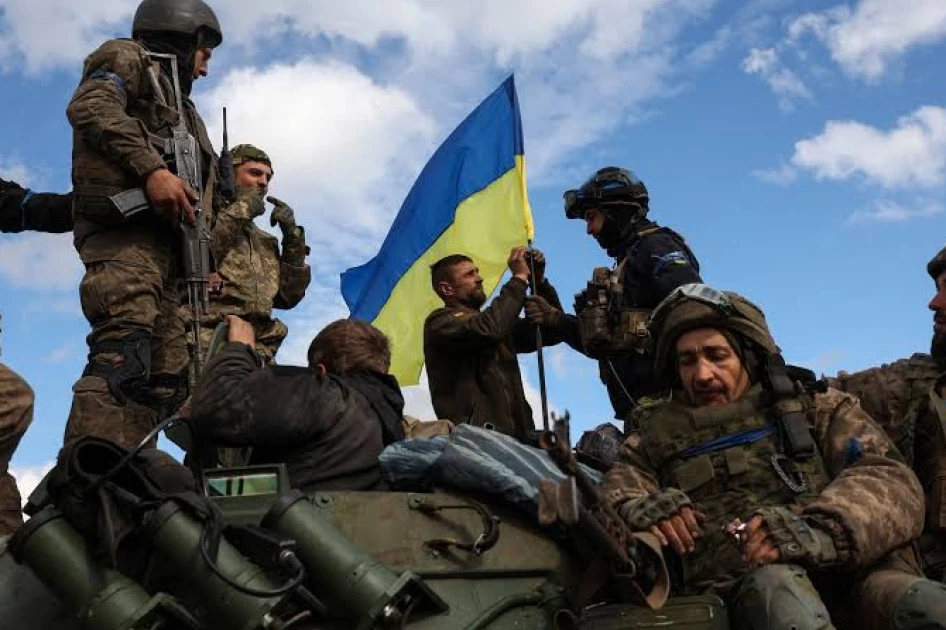
the same time, Ukraine continues to resist. Despite being outmatched in
resources, its forces have slowed or stopped Russian advances in many areas.
This has turned the conflict into a stalemate, where neither side can achieve a
decisive breakthrough.
Casualties
are high. Ukrainian sources estimate Russian losses at over a million soldiers,
while Russia rarely provides transparent figures. Regardless of the exact
number, the scale of death and injury is significant. Reports suggest many
recruits are poorly trained and deployed quickly, leading to heavy losses. This
points to a strategy that prioritises numbers over lives.
For
Kenyans, this war is not as distant as it may seem.
The
Ministry of Foreign and Diaspora Affairs has indicated that some Kenyans may
have ended up on the Russian front lines. Whether through recruitment promises
or financial pressure, joining a foreign war carries serious risks. Once
someone becomes a combatant, their legal and diplomatic protections become
limited. Returning home safely is far from guaranteed.
This
is not a conflict that serves Kenyan interests. It is not about our security,
our borders, or our future. Any Kenyan fighting there is risking their life for
a cause that is not theirs.
So
why is the war not stopping?
Because
Ukraine is fighting for survival as a sovereign state, and Russia’s leadership
views defeat as a political threat at home. When both sides see the stakes as
existential, compromise becomes difficult. That is what keeps the war going.
Until
one side changes its calculations — or serious diplomatic pressure forces
negotiations — the conflict is likely to continue.
The reality is simple and grim: this war
persists because power, pride, and politics are being placed above human life.
And ordinary people, not leaders, are the ones paying the price.
Leave a Comment