
Car prices set to rise as KRA implements new tax schedule

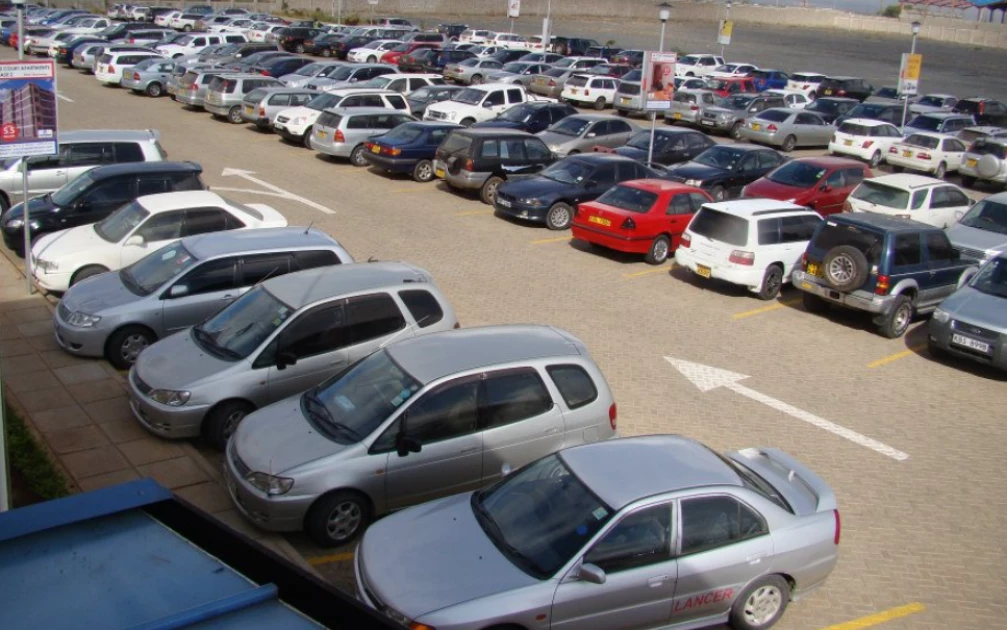
File image of vehicles at the Syokimau railway station parking lot.

Audio By Vocalize
Car
prices are set to rise from next month as the Kenya Revenue Authority (KRA)
updates its vehicle valuation schedule.
The
new pricing, which takes effect on July 1, will impact how taxes are calculated
on imported used cars. While the move is expected to drive up showroom prices,
both KRA and some industry players say the change is long overdue.
The
KRA will start using a new Current Retail Selling Price (CRSP) schedule for
imported used vehicles beginning July 1, 2025.
The
CRSP is the official reference price KRA uses to calculate taxes on second-hand
imports. It reflects the value of a brand-new car when sold locally, minus
factors like depreciation. This forms the foundation for computing import duty,
VAT, and excise tax on the imported second hand vehicle.
Seraphine
Anamanjia, Senior Manager at Ernst & Young, says: “Since 2019 we have not
had a change in the CRSP, this is six years, so of course within a period of
six years we expect a lot has changed including the prices. So Kenyans expect
to have more efficient motor vehicles but this comes with a cost, and this is a
cost that has now been added to the CRSP.”
In
a notice dated May 30, KRA said the update follows engagements with
stakeholders and a review of the outdated 2019 CRSP database, which had
excluded most newer car models.
The
updated CRSP is expected to significantly raise the tax burden on many vehicle
models, with dealers warning of price hikes at the retail level.
Peter
Otieno, Chairperson, of the Car Importers Association of Kenya, noted: “If you
find a vehicle like a Toyota Probox, it’s going to almost over Ksh.500,000
duty, it was one hundred and something. If you go to Nissan Note, it is coming
to around Ksh.500,000, it was Ksh.232,000. What does that tell you? It tells
you that vehicles will not be affordable.”
Currently,
used vehicles imported from markets like Japan and the UK, are subject to an
import duty of 35%, an excise duty ranging from 25% to 35%, a 16% value-added
tax, a railway development levy at 2 percent as well as the import declaration
fee at 3.5 percent.
“Our
industry is already dying, we used to import over 200,000 vehicles, last year
but one, we imported only 70,000 units,” added Otieno.
Ayub
Mwangi, a car dealer, on his part stated: “Saa hii watu ata wameshindwa kununua
magari, juu ata wenye madeni wameshindwa na kulipa deni, inabidi ukikopa gari
inakuja inachukuliwa na wenyewe.”
Despite
concerns from traders and buyers, KRA argues that the change is necessary to
reflect current market realities and ensure fair taxation across the board.
Something that tax experts agree with.
Jossinter
Syengo, Senior Manager at KPMG, says; ”The valuation could have been brought
about by differences in exchange rates. In 2019, when the last CRSP, was issued
the US dollar then was lower compared to today, so you would expect the
exchange rate to have an impact on the same. Again, are there market trends
that could be leading to these market prices.”
The
revision adds yet another cost layer to car imports, already strained by high
shipping charges, forex volatility, and tighter regulation, raising fresh
concerns over vehicle affordability for the average Kenyan.
Join the Discussion
Share your perspective with the Citizen Digital community.
No comments yet
This discussion is waiting for your voice. Be the first to share your thoughts!