
Experts urge urgent adoption of digitised trade systems

Audio By Vocalize
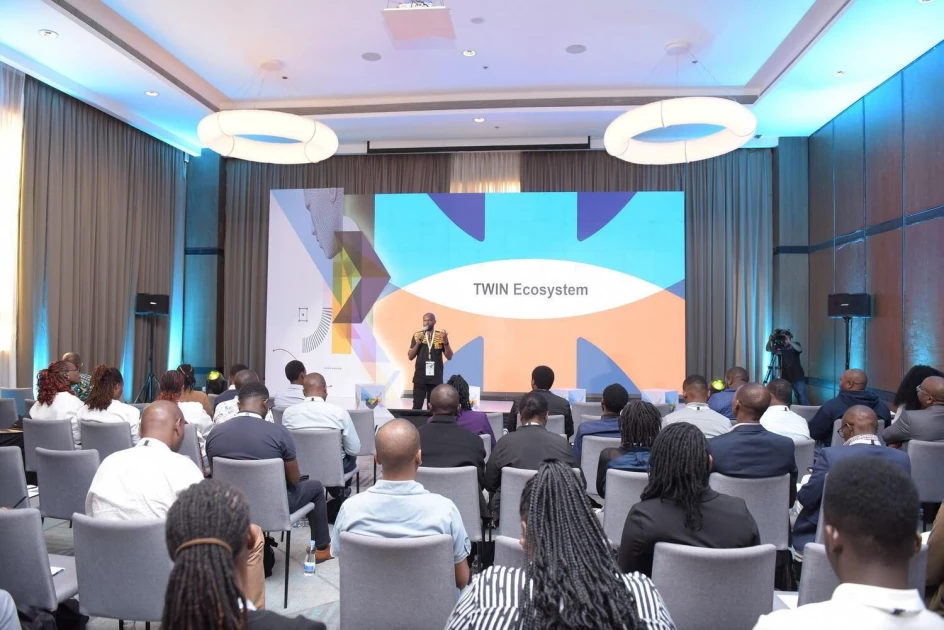
Trade stakeholders at the IOTA East Africa
Web3 Innovation Summit have called for the urgent adoption of digitised trade
systems, highlighting outdated paper-based processes, fragmented data systems,
and a lack of trust in trade documentation as major barriers to unlocking the
full potential of trade in Africa and globally.
The summit, held in Nairobi, brought
together developers, technologists, trade professionals, and public sector
leaders to explore how decentralized technologies, particularly IOTA’s TWIN
(Trade and Logistics Information Network) and TLIP (Trade Logistics Information
Pipeline), can drive a new era of trusted, digital-first global trade.
Dominik Schiener, Co-Founder and Chair of
the IOTA Foundation, emphasized the critical need for trust-based digital
infrastructure to support the next generation of trade systems.
"The internet has connected us, but it
hasn’t built trust into how we share data," said Schiener. "You don’t
always know where trade data is coming from or if it can be verified. With our
technology, we’re creating the foundations for data you can trust, fast,
secure, and cost-efficient. Kenya is central to this vision, and we’re excited
to trial and scale new solutions from here."
Trade experts at the summit underscored the
urgency of modernization. According to Erick Sirali, Digital Trade Director at
TradeMark Africa, global trade still relies heavily on manual documentation,
with around 4 billion paper documents in circulation today.
"In many countries, trade documents
are not accepted unless physically signed," Sirali noted. "There are
zero globally accepted standards for digital trade data exchange. Yet
digitisation could unlock over 10 trillion dollars in additional global trade
value."
Sirali explained that IOTA’s TWIN platform
offers a compelling solution by using distributed ledger technology to enable
real-time, trusted data sharing across supply chains, giving traders easier
access to global markets.
The complexity of global trade was further
broken down by Antony Magayu, Product Leader at the IOTA Foundation, who
pointed to fragmented supply chains and poor data integrity as major obstacles.
"Supply chains involve many actors,
each with their own systems and needs. Because there’s no unified way to share
data, information is often trapped in silos," said Magayu. "Today,
about 80 percent of supply chain data suffers from integrity issues. That’s a
huge problem."
Magayu added that platforms like TWIN can
solve these challenges by providing a shared digital infrastructure where all
stakeholders including governments, freight companies, customs officials, and
businesses can securely exchange verified trade data, improving efficiency,
transparency, and trust.
The summit identified several core trade
challenges that digitisation could address, including lost business
opportunities due to unverifiable documentation, customs delays from
non-standardized paperwork, and the exclusion of small businesses from international
markets due to high compliance costs.
By leveraging emerging technologies such as
distributed ledgers, summit participants agreed that the future of trade lies
in building digital systems that are interoperable, transparent, and inclusive.
As Africa seeks to expand its role in
global commerce, the message from Nairobi was clear. Digitising trade is not
just a technological upgrade. It is a transformative step toward unlocking
economic opportunity and resilience in the digital age.
Join the Discussion
Share your perspective with the Citizen Digital community.
No comments yet
This discussion is waiting for your voice. Be the first to share your thoughts!