

Explainer: How banking transaction charges will increase if Finance Bill passes
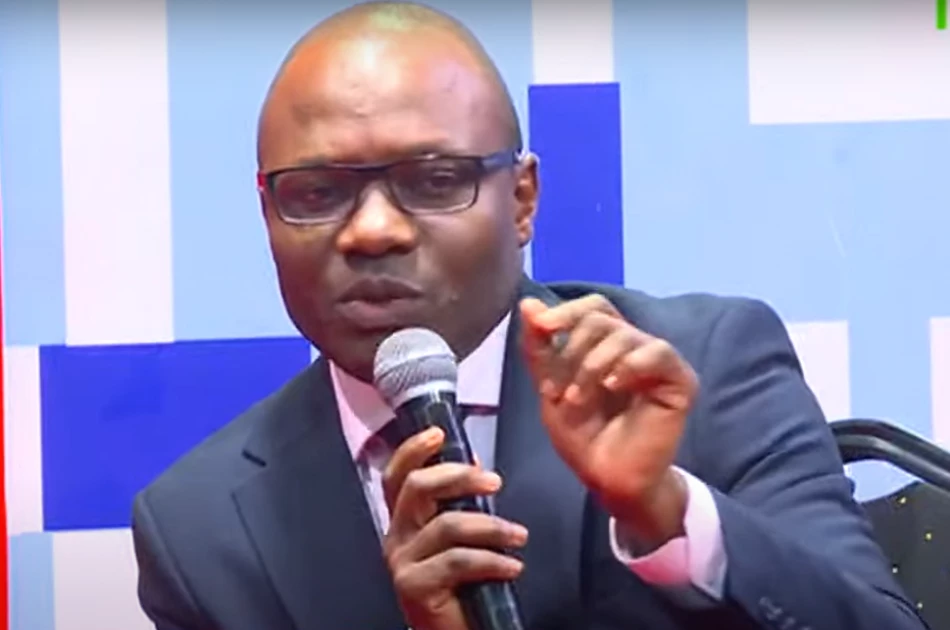
Acting KBA CEO Raimond Molenje speaks on Citizen TV's 'The Big Conversation' show on June 5, 2024.

Audio By Vocalize
The Kenya Bankers Association (KBA) Acting
CEO Raimond Molenje has spoken on the negative impacts of increasing tax rates
on financial transactions as proposed in Finance Bill, 2024.
Mr. Molenje says that contrary to the
government’s opinion that taxing financial institutions has a direct positive
effect of collecting more revenues, the move will likely lead to loss of
customers and decreased revenue collection.
Speaking on Citizen TV’s ‘The Big
Conversation Show’ on Wednesday night, Mr. Molenje underscored that the
proposed increase in exercise duty from 15 per cent to 20 per cent and the
Valued Added Tax (VAT) on mobile banking transactions will only force the lower
cadre of customers to consider alternative methods such as cash transactions.
This, he said, will ultimately reduce the
number of transactions and directly lower the revenue collected, as ordinary
Kenyans will ukltimately be forced to resort to such traditional means of
storing their money such as under their mattresses.
“The government is making financial services
very expensive and yet in this country we have brought these costs very low to
the effect that when you transact you don’t feel it. What happens is that
people now move outside the banking mobile channels and with Wanjiku, all those
small transactions they do during the day collapse and there will be no revenue
for the government as the Wanjikus moves to the mattresses,” he said.
On how mobile banking transactions will be
affected, Mr. Molenje revealed that where somebody currently pays Ksh.115 as a
transaction fees, the proposed Bill will cause an increase of the same to
Ksh.140.
According to the KBA boss, the Kenya Revenue
Authority (KRA) applies excise duty on the transaction cost before VAT is
applied to the same cost.
This means that the initially applied excise
duty almost doubles when the 16 per cent VAT is imposed.
“Suppose you were sending Ksh.5,000 and a
financial institution charges you Ksh.100. Currently you will pay Ksh.115
because the excise duty is just 15%. With the extension of excise to 20% and
VAT coming in, it happens that KRA applies excise suty first and it moves it
from Ksh.100 to Ksh.120,” Mr. Molenje explained.
“Then you apply VAT of 16% on Ksh.120 so it
moves from Ksh.115 currently to Ksh.140, so you will be able to incur an extra
Ksh.25 from that transaction.”
Leave a Comment