
Global shocks put Kenya’s economic recovery under pressure, MCB report shows
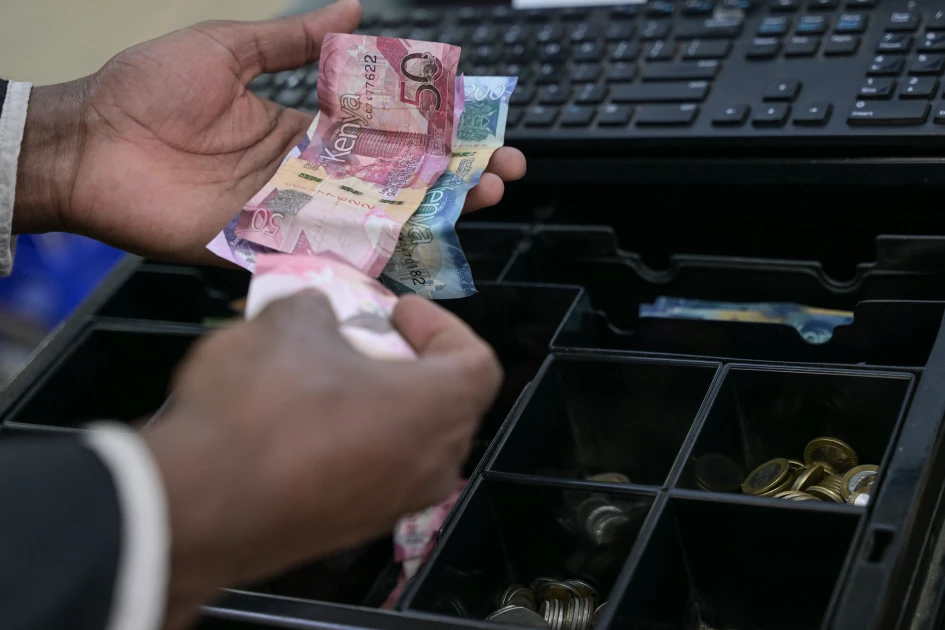
A cashier handles Kenyan Shillings at a shop in Nairobi on November 21, 2023. Expensive curtains, lavish garden parties, luxury cars and jet-setting lifestyles: Kenya's cash-strapped government has been on a spending spree even as austerity measures take their toll on weary citizens. (Photo by SIMON MAINA / AFP)

Audio By Vocalize
According to a report by financial services company MCB Group, the global shocks have asserted new pressure on the country’s fiscal outlook despite recent reforms that had resulted in stabilisation.
MCB’s Macroeconomic Pressure Index (MePI) shows that while Kenya’s economic fundamentals have improved, pressures are beginning to build again as global and domestic risks converge.
The country had made strides from its refinancing stress, restoring stability through improved access to international capital markets, stronger foreign exchange reserves, and a sovereign rating upgrade reflecting reduced default risk.
“Kenya has made notable progress in restoring macroeconomic stability, but the current environment highlights the importance of strengthening resilience to external shocks,” said Jessen Coolen, Economic Research Lead at MCB.
But in its Africa Economic Compass, MCB depicts external shocks and domestic vulnerabilities that are pushing Kenya’s economy to its limits.
The report warns that escalating geopolitical tensions—particularly in the Middle East—have introduced fresh risks for the Kenyan economy.
A key concern is Kenya’s heavy reliance on imported fuel, with around 60% sourced from the Middle East. This leaves the country highly exposed to oil price shocks, which are already pushing up inflation through higher fuel and fertiliser costs.
According to the report, higher fuel import costs widen the current account deficit, a trend that could place renewed pressure on the Kenyan shilling if global conditions worsen.
In its findings, the MCB established that inflation risks are also complicating monetary policy. While easing inflation had previously created room for interest rate cuts, the report now expects limited scope for further easing as price pressures persist.
“Given this backdrop, we see limited room for further easing this year and expect the Central Bank to take a cautious, data-driven approach,” the report notes.
In addition to global shocks, Kenya is grappling with the economic fallout from climate crisis such as severe flooding that recently hit Nairobi and other regions.
These extreme weather conditions disrupt infrastructure, logistics and business operations, adding to the fiscal pressures the country experiences.
MCB’s report states that these climate-related shocks are “adding near-term pressure on growth, inflation and public spending needs,” compounding the challenges posed by external volatility.
Despite these shortfalls, Kenya’s currency has been found to be relatively stable due to improved foreign exchange reserves and steady diaspora remittances. However, the financial report cautions that this stability could be tested if external pressures intensify.
On the fiscal front, the government’s efforts to cushion households from rising fuel prices—such as potential tax adjustments and use of stabilisation funds—may provide short-term relief but could strain public finances.
The report, however, warns about the government’s measures to cushion households, as they could possibly add pressure to an already constrained budget. This presents a tough balance between cushioning citizens and maintaining fiscal discipline.
Looking ahead, the report emphasises that sustaining investor confidence will depend on continued fiscal discipline and access to external financing, including potential support from international lenders.
Join the Discussion
Share your perspective with the Citizen Digital community.
No comments yet
This discussion is waiting for your voice. Be the first to share your thoughts!