
Inside six-month valuation that guided Gov’t sale of Safaricom shares to Vodacom for Ksh.245B
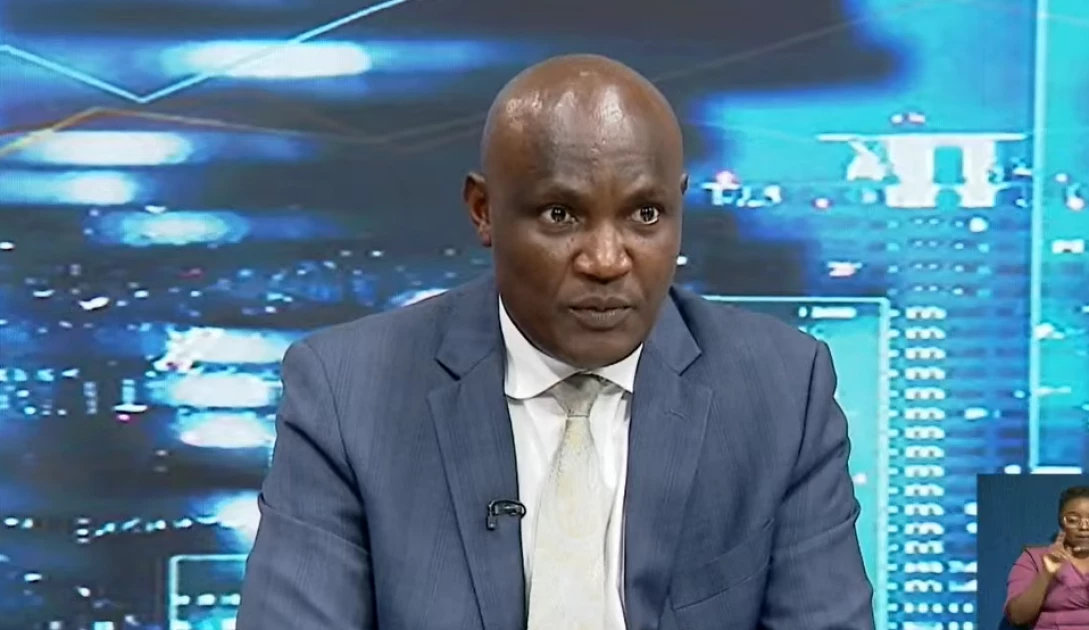
Treasury CS John Mbadi speaks during an interview on Citizen TV on December 4, 2025.

Audio By Vocalize
Treasury Cabinet Secretary John Mbadi has defended the
government’s decision to offload a 15% stake in Safaricom to Vodacom Group,
dismissing criticism and insisting that the deal is both sound and beneficial
to the country.
Speaking during an interview on
Citizen TV on Thursday night, the CS said the valuation had been done using
open market data, noting that Safaricom’s share price is publicly available and
has been relatively stable over the past several months.
“We’re working with the current
prices of Safaricom shares in the market…and Safaricom is a company that is
quoted in the Nairobi Securities Exchange (NSE), so you don’t even have to do
too much research to tell Kenyans what the price is. The latest price of
Safaricom shares, as at today, is Ksh.28,” he said.
He added that over the six months
leading up to October 31, Safaricom’s stock had averaged around Ksh.25 per share, forming the basis of the
government’s valuation.
“The analysis took six months of
volume prices, and the average came to about Ksh.25 per share, and we’re
getting Ksh.34 per share; so I don’t know how you can negotiate better than
that.”
Mbadi pushed back against
allegations by Kiharu Member of Parliament Ndindi Nyoro that the deal is being
driven by conflicted or incompetent officials.
“In my view, even though Hon.
Ndindi is talking of people conflicted or incompetent or both, I completely
believe that he is the latter,” Mbadi said, delivering a sharp counter to the
MP’s earlier attack.
The government on Thursday
announced plans to sell 6,009,814,200 ordinary
shares - equivalent to 15% of Safaricom - at a price of Ksh.34 per share, valuing the transaction
at Ksh.244.5 billion. Once completed, the
State’s ownership in the telco will reduce from 35% to 20%.
Mbadi emphasized that the move
should not be interpreted as a disposal of Safaricom as a company but rather a
targeted divestiture of shares.
“What we’re doing is divesture,
we’re not selling this company…that should be understood,” he said.
“If we were selling the company as a going concern, then you
would start valuing all the assets and taking care of all the liabilities, then
you get the value of the firm. But we’re selling the shares.”
He explained that if the
government opted to offload the shares directly to the public via the Nairobi
Securities Exchange (NSE), the price would likely have been lower.
“The alternative would’ve been to
go to the market and offer the shares in the NSE, and we would get Ksh.28 per
share. In fact, if we went to the market to divest to the public, we definitely
would have divested the shares at a discount,” said the CS.
According to Mbadi, the premium
price offered by Vodacom is largely because the South African telecoms giant is
already a major shareholder in Safaricom, making the transaction strategically
sound.
“The reason why we’re getting
this premium sale is because the company that is taking up these shares is a
company that has history with Safaricom. Vodacom already has 40%, and so they
can take higher risk than any other investor coming into the market. And that
is why it was better to discuss and agree among the shareholders; the Kenyan
government and Vodacom,” stated the CS.
MP Nyoro had earlier criticized offloading of the Safaricom shares, claiming it was ill-advised and risked draining public
coffers, further accusing unnamed officials of incompetence or acting to serve
personal interests.
But Mbadi insists that the transaction is in the country’s best interest, describing it as a rational, market-based decision anchored in transparent valuation and strategic partnership.
Join the Discussion
Share your perspective with the Citizen Digital community.
No comments yet
This discussion is waiting for your voice. Be the first to share your thoughts!