
Kenya's flower industry hit as Middle East conflict disrupts exports, raises costs
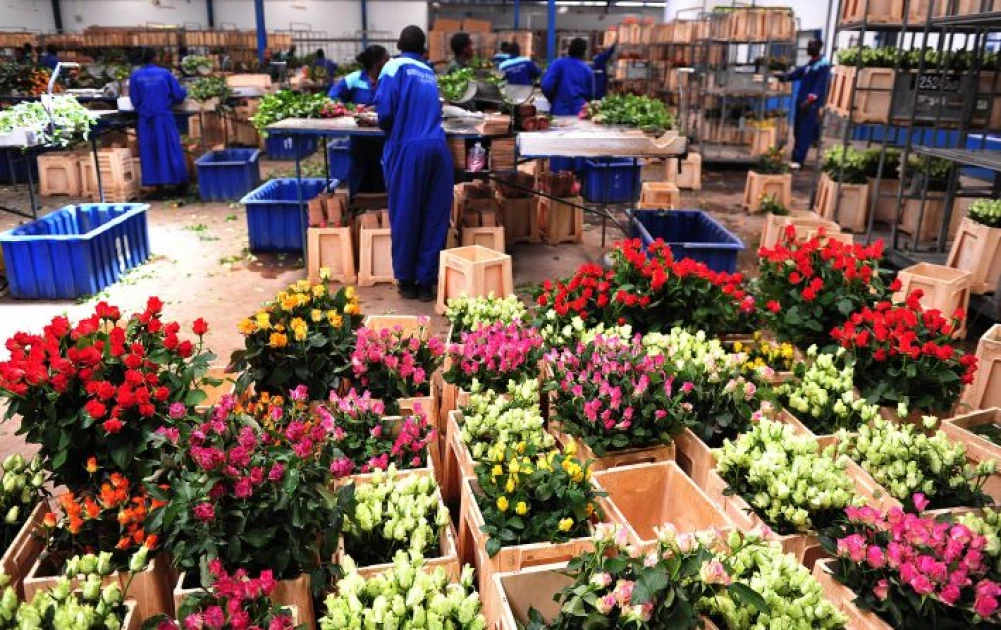
File photo of farmers packaging flowers. PHOTO | COURTESY

Audio By Vocalize
The country’s flower industry is facing severe disruptions, with farmers dumping produce, exporters counting losses, and thousands of jobs hanging in the balance.
This follows the escalating conflict in the Middle East,
which has disrupted critical air cargo routes and driven up the cost of
exporting flowers to global markets.
The country’s floriculture sector is now under intense
pressure, as the ripple effects of the conflict hit both key markets and vital
logistics channels.
The region is an important market for Kenyan flowers, accounting for between 10 and 15 per cent of exports, while also serving as a key transit hub for shipments to Europe and other global destinations.
“So the last six or seven weeks have been very difficult for growers and
exporters of cut flowers and ornamentals from Kenya," said
Air cargo capacity on some routes has dropped by as much as
30 per cent, while globally, nearly a fifth of capacity has been taken offline.
This has pushed freight costs from about 3 dollars per
kilogram to as high as 5 dollars, squeezing margins for exporters already
operating on thin returns.
“So it's almost double the number in terms of money that we were using to
export," Tulezi stated.
As a result, farmers are dumping flowers they cannot move in
time, as shipment delays stretch to as long as 48 hours.
Over the past three weeks alone, the industry has recorded losses of about 620 million dollars, with a portion linked to flowers that perished before reaching the market.
“About 20 to 25 per cent of our produce we are throwing away, right? Which is
substantial… why are we throwing away, because the freight cost is too high, I
cannot send to Europe,"
Industry players warn that Kenya risks losing market share
to competitors.
“South Americans, who are our biggest competitors, are not affected by this. So
they are able to take up the gap where we export. So there is no vacuum in the
market; someone else will come in to fill. And if that market is taken away,
regaining it becomes almost impossible," Tulezi noted.
“And the Middle East is actually the third most important market for us. The
first is Europe, the second is the UK, and third of course is the Middle East," said Tulezi.
The sector generates over Ksh.110 billion in export earnings
annually and supports hundreds of thousands of jobs, meaning prolonged
disruptions could significantly impact foreign exchange inflows and employment.
To cushion the sector, industry players are urging
government intervention, including the urgent release of about Ksh.10 billion
in pending VAT refunds to ease cash flow pressures.
Exporters are also calling for expanded cargo capacity and
more direct flight routes to reduce reliance on disrupted transit hubs.
“We are in business, we have to make a profit, margins are important for us to
keep margins and jobs. It's a must that these things work; if they don’t work, we will have no choice but to look at austerity measures and implement them," Tulezi stated.
Authorities say they are working with Kenya Airways, other
carriers and logistics partners to secure alternative cargo routes, while also
improving efficiency at the Port of Mombasa and Lamu Port to reduce delays.
The government is also engaging shipping lines to help
contain rising freight and insurance costs.
For now, the sector remains operational, but industry
players say the outlook will depend on how long the disruptions persist.
Join the Discussion
Share your perspective with the Citizen Digital community.
No comments yet
This discussion is waiting for your voice. Be the first to share your thoughts!