
Kenyan singer Njerae named Spotify EQUAL Africa Ambassador for June
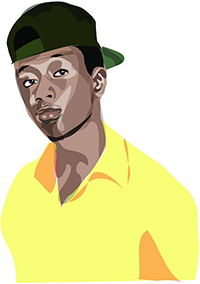

Kenyan artist Njerae. PHOTO | COURTESY

Audio By Vocalize
Spotify has named rising Kenyan artist Njerae as its EQUAL
Africa ambassador for June — a move that casts a deserving spotlight on a woman
whose music is as tender as it is bold, a delicate balance of strength, soul,
and unwavering self-belief.
Njerae isn’t your typical
breakout star. She didn’t come charging into the spotlight with noise and
bravado. Her journey into music was a quiet one — an introvert’s act of
rebellion, born not in the studio but in silence, following national tragedy.
She began by writing poetry to process the chaos around her —
“around the time there was some bomb that blew in a matatu,” she recalls. “That
was the first time I just wrote. It was more like poetry, no melody or
anything.”
From those raw, unfiltered
expressions, Njerae found her melody. The guitar followed. The music wasn’t
initially meant for an audience — it was therapy.
“Music just became a form of expression rather than putting it
out for people to listen to,” she explains. “I had specific things I didn’t
know how to tell people and it was only through music I could do so, and that
is my reason.”
Now, Spotify is giving Njerae her
flowers through its EQUAL Africa program — a platform created to promote gender
equity in the music industry by amplifying the voices of female artists across
the continent.
For Njerae, it’s more than an accolade. “This is such a huge
opportunity for me and I’m super excited to have my face on such a platform,”
she says. “It’s such an amazing program especially that focuses on putting
women on top, empowering them, and I love that. It’s something that pushes us,
and it’s a huge honor.”
Njerae’s music — which she
describes as “really soulful and refreshing… like a breath of fresh air” — is
heavily influenced by African artists who paved the way before her.
She grew up listening to Sauti Sol and Phy. “Sauti I just feel
like they started doing it and made it work, but Phy was the first African
woman that I saw play guitar on stage, singing sad love songs that people would
jam to,” she reflects. “When she did ‘Taboo’ – that inspired me a lot to go to
Sauti Academy, and I’m here today.”
And here she is — a decade into a
music journey that only recently hit the public radar. “By next year, it’ll be
ten years,” she says, “but if you ask anyone, they’ll say I just started
releasing music two years ago.”
That long grind behind the curtain has shaped her philosophy
about dreams and doubts. “If you’re dreading it, is it really your dream?” she
quips. “Nothing good ever comes easy.”
She speaks candidly about the
hurdles she’s faced, particularly the criticism. “Many people told me stuff
like ‘My music is too wordy or too white’ and I’m glad that I didn’t really pay
attention to them,” she shares. “At the end of the day, the dream is mine and
I’m the only one who knows why I’m doing it.”
Navigating the male-dominated
music scene hasn’t dulled her ambition, either. “Me being a woman should not
stop anyone from listening to my music and it shouldn’t stop me from living the
same dream another male artist is currently living,” she says.
“I never let being a woman interfere with my journey. I’m
going to keep pushing and going after what I want regardless of my gender, and
I will not dim my light for anything because I’m a woman.”
And she knows what she needs —
from a mirror and makeup space backstage to the freedom to demand dignity in
how she shows up as an artist. “I never shy away from expressing that I need
access to certain things that would make life more bearable,” she explains.
“But I definitely don’t let my gender affect me or my qualification as an
artist. I keep doing what I’m doing with my chest and my head held high.”
For those walking a similar path,
her advice is both simple and sobering: push. “Special people are the ones who
will be put down,” she says. “So keep pushing, and it will come at the end of
the day.”
Njerae lives by one quote: “Dress for the job you want, and
not the one you have.” And right now, she’s dressed for greatness — guitar in
hand, soul in her lyrics, and fire in her spirit.
Join the Discussion
Share your perspective with the Citizen Digital community.
No comments yet
This discussion is waiting for your voice. Be the first to share your thoughts!