
How to prevent a hangover, and three ways to treat one
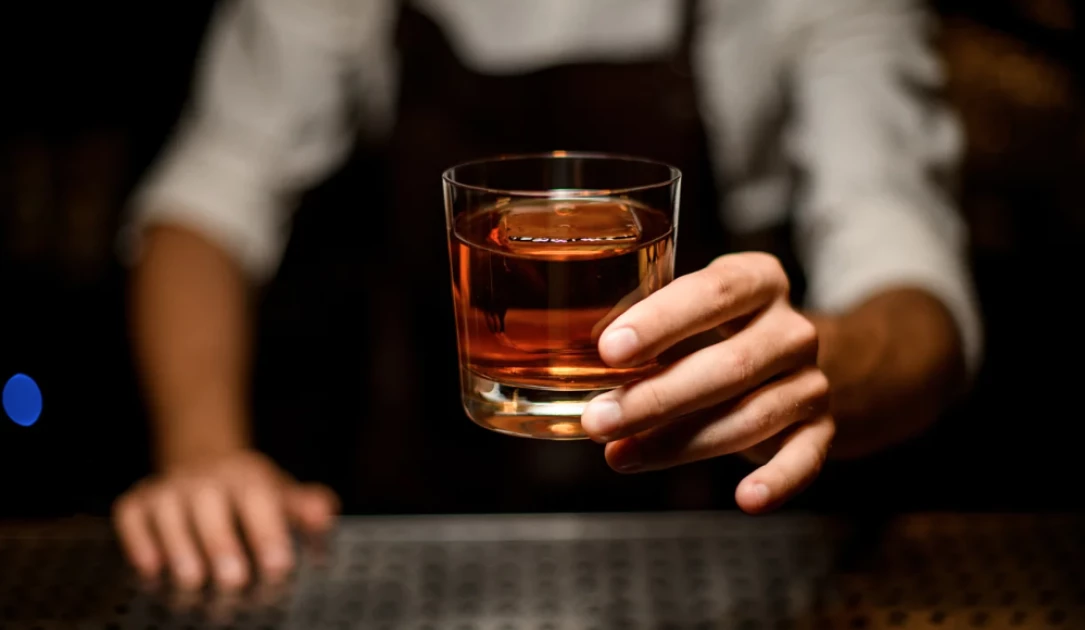
There are things you can do to lessen the impact of a hangover, experts say.

Audio By Vocalize
You had a little too much to drink last night,
and now you’re nursing that dreaded morning aftermath — a hangover.
What seemed like fun at the time is now causing your hands to
shake, your head to pound and your heart to race, not to mention other
unpleasant symptoms such as dizziness, nausea, vomiting, light sensitivity and
excruciating thirst.
Why are you suffering? Because the liquor that
smoothly passed your lips is now wreaking havoc in your body, causing dehydration,
stomach distress and inflammation. These ailments peak about the time all the
alcohol leaves your body.
There is no scientifically proven way to cure a
hangover, but experts say you can prevent one — or at least keep that
morning-after misery to a minimum. Here’s how.
Forget a late-night meal after a night of drinking — that’s much
too late, experts say. Instead, eat before your first drink and keep noshing as
the night goes on.
“Food in the stomach slows gastric emptying and can
reduce hangover symptoms,” said Dr. Robert Swift, a professor of psychiatry and
human behavior at Brown University’s Warren Alpert Medical School in
Providence, Rhode Island.
Why does food help? Because most alcohol isn’t
absorbed by an empty stomach but via the intestinal tract just below it, Swift
said.
“If somebody does shots on an empty stomach, for
example, all that pure alcohol is not diluted by the stomach and is passed to
the intestine very quickly,” said Swift, who has studied alcohol abuse since
the 1990s.
“If the stomach contains food, however, there are
gastric juices and enzymes that mix the food and the alcohol, and only small
amounts of food are passed into the intestine,” he said. “Now the alcohol is
diluted in the stomach, and only a small quantity of alcohol is absorbed at any
time.”
The same principle applies to water and other nonalcoholic
beverages, Swift said. “If alcohol is mixed with fluid, it’s diluted, so when
it goes into your intestines, it’s not as irritating. You’re less likely to
have inflamed intestines or an inflamed stomach lining.”
There’s another benefit to downing water between
drinks, said Dr. John Brick, former chief of research at the Center of Alcohol
Studies, Education and Training Division, at Rutgers University in New Jersey.
“The primary cause of hangovers is dehydration and the
loss of fluids, along with vitamins and minerals,” said Brick, who authored
“The Doctor’s Hangover Handbook” and published scientific papers on the
biobehavioral effects of alcohol and other drugs.
Downing just 3½ alcoholic drinks can result in the loss of up to a
quart of water over several hours, Brick added. “That’s a good amount of water
that has to be replenished.”
Dehydration from alcohol may affect a woman even more,
and she is more likely to suffer a hangover, even if she drinks less than a
man, Swift said. That’s because a man has a higher percentage of body water
than a woman of the same height and weight, so the same amount of alcohol will
be more diluted in a man, he said.
The alcohol we drink, called ethyl alcohol or ethanol,
is the byproduct of fermenting carbohydrates and starches, usually some sort of
grain, grape or berry.
We use byproducts of fermentation in other ways:
Ethanol is added to the gasoline in our cars, and methyl alcohol or methanol —
a toxic substance — is used as a solvent, pesticide and alternative fuel
source. Also called wood alcohol, methyl alcohol made by bootleggers blinded or
killed thousands of people during Prohibition.
That’s not all — the list of byproducts or chemicals
added by manufacturers for flavor and taste can read like a list of supplies at
an industrial warehouse: ethyl formate, ethyl acetate, n-propanol, isobutanol,
n-butanol, isopentanol and isoamyl alcohols. While these congeners, as they are
called, are added in small, nontoxic amounts, some people are overly sensitive
to their effects.
Overall, dark-colored beer and spirits tend to contain
more congeners and thus may be more likely to cause hangovers, experts say. A 2010 study investigated
the intensity of hangovers in people who drank the darker-colored liquor
bourbon versus clear vodka.
“Congeners in bourbon … significantly increased
hangover intensity, which is not too surprising since bourbon has about 37
times the amount of congeners as vodka,” Brick said.
Chemical preservatives called sulfites, known to cause allergic
reactions in sensitive people, are also a natural byproduct of
fermentation in small quantities. However, many manufacturers of beer and wine
add sulfites to their products to extend shelf life. (Sulfites are also added
to soda, cereals, sweeteners, canned and ultraprocessed
foods, medications and more.)
Sweet and white wines tend to have more sulfites than
red, but red wines contain more tannins, which are bitter or astringent
compounds found in the skin and seeds of grapes. Like sulfites, tannins can
trigger allergic reactions in people who are sensitive.
As a result, limiting your drinking to light beers,
clear liquors and white wine might help keep hangovers at bay.
In the end, however, experts say there is only one
true preventive — or cure — for a hangover: Don’t drink.
“There’s no simple cure because there are so many
complex factors that are producing the multiple symptoms of a hangover,” Swift
said. “And that’s why the only real cure for a hangover is to not drink alcohol
or drink such a low amount of alcohol that it won’t trigger a hangover.”
• Drinking coffee can speed up recovery
• Electrolytes help
• Drink as much water as you can
We know that alcohol dehydrates, so a headache and
other hangover symptoms may be partly due to constricted blood vessels and a
loss of electrolytes, essential minerals such as sodium, calcium and potassium
that your body needs.
And if you’re a coffee drinker, skipping your morning
cup of joe may lead to caffeine withdrawal on top of your hangover.
“If you have a hangover, have a quarter of a cup of
coffee,” Brick suggests. “See if you feel better — it takes about 20 minutes
for the caffeine to start to have some noticeable effect.
“If coffee doesn’t make you feel better, don’t drink
anymore.”
Replacing lost fluids with water or a type of sports
drink with extra electrolytes can help boost recovery from a hangover, Swift
said.
And while most alcohol is handled by the liver, a
small amount leaves the body unchanged through sweat, urine and breathing.
Get up, do some light stretching and walking, and
drink plenty of water to encourage urination, Brick said.
“Before you go to sleep and when you wake up, drink as
much water as you comfortably can handle,” he said.
Join the Discussion
Share your perspective with the Citizen Digital community.
No comments yet
This discussion is waiting for your voice. Be the first to share your thoughts!