
How to use food to boost your immune system

Audio By Vocalize
Want to fight off
infectious diseases this cold season? Consider boosting your immune system with
nutritious food.
"What we eat
is very important in terms of how our immune system responds to pathogens and
how well it can defend itself against a pathogen," said Dr. Simin Meydani,
senior scientist and leader of the nutritional immunology team at Tufts University's
Jean Mayer USDA Human Nutrition Research Center on Aging.
Micronutrients such
as vitamin C, vitamin D, vitamin B complex, zinc and selenium can help
"pump up" the body's defenses against colds, flu and even Covid-19,
Meydani said, but you won't boost immunity by "eating a large amount of
one single nutrient or food component."
Forget focusing on
"superfoods." A large variety of foods are needed to provide the
micronutrients the body needs to mount a robust cellular immune response, said
Stanford School of Medicine nutrition scientist Christopher Gardner.
"There isn't
any one food or nutrient to rely on here, but rather it is the interplay of
'harmonious interactions' between the various micronutrients," Gardner
said.
Plan your daily
menus around a large variety of fresh and colorful red, yellow, orange, blue
and green fruits and vegetables, along with some high-quality whole grains, a
bit of lean protein and a splash of healthy oils.
Plants and grains
are also the basis of the top-rated Mediterranean diet and DASH diet, which
stands for "dietary approaches to stop hypertension," or high blood
pressure. Both the Mediterranean and DASH diets avoid processed foods and focus
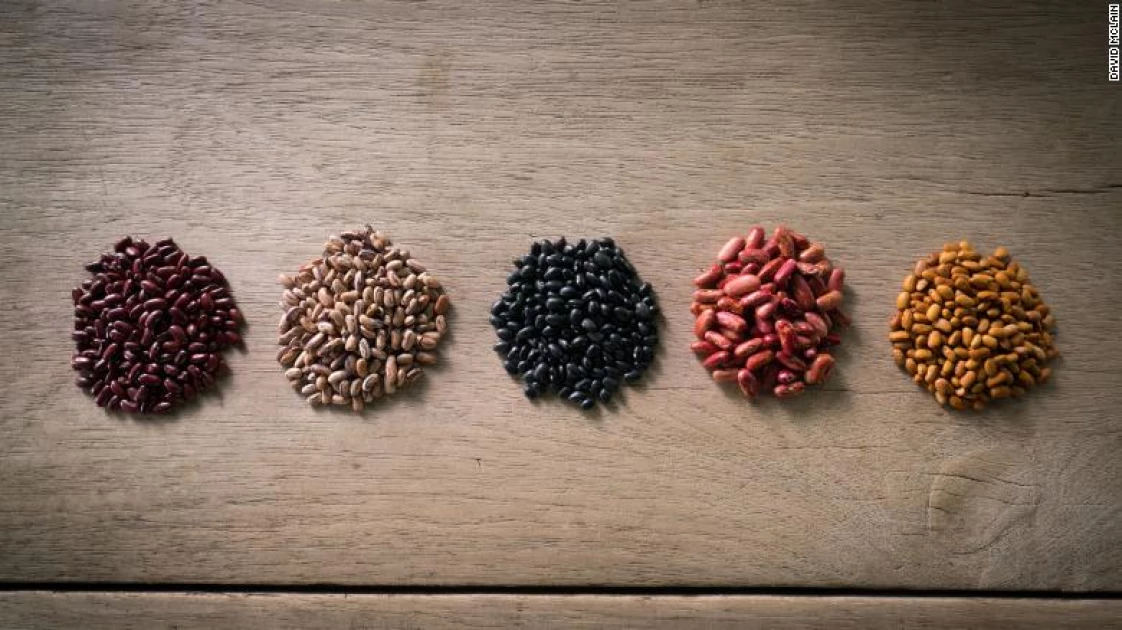
on fruits, vegetables, beans, lentils, whole grains, nuts and seeds.
The Mediterranean
diet can reduce the risk for high cholesterol, dementia, memory loss,
depression and breast cancer, numerous studies found.
Meals from the
sunny Mediterranean region have also been linked to stronger bones, a healthier
heart and longer life. Oh, and it helps with weight loss, too.
Just how much you
can jump-start immunity with nutrients depends on your age, overall health and
stress levels, according to Meydani.
In addition to
eating well, it's important to stay at a healthy weight, reduce your stress,
get quality sleep and regular exercise to keep those natural defenses in
fighting shape. Without that healthy baseline, your body will have to work
harder to knock out invaders -- and may even lose the match.
"The best
defense against the acute threat of the coronavirus is chronically good
health," said Dr. David Katz, founder and president of the True Health
Initiative, a nonprofit dedicated to promoting evidence-based lifestyle
medicine.
"If you
encounter the virus a week from now, two weeks from now, three weeks from now,
there is a chance you will do better because of what you do with your diet
right now," he said.
If you want to
maximize the impact of food on your immune system, you'll need to dramatically
increase the amount of fruits and vegetables you eat each day, Meydani advised.
Her team
investigated immune responses in animals fed two to three servings of fruits
and veggies a day, and compared them to those who ate five to six servings a
day or eight to nine servings a day.
"The eight to
nine servings a day was where we were seeing the best effect," Meydani
said. "So it's not just increasing the intake by a little bit, you've got
to increase it substantially. People need to work at it in order to reach that
level."
Finding ways to
insert fruits and veggies into every meal and snack during the day may do more
than pump up your immunity. A 2017 study found a significant reduction in the
risk of heart attack, stroke, cancer and early death by eating 10 portions of
fruit and vegetables each day.
Current dietary
guidelines in the United States recommend at least 2 cups of fruit and 2.5 cups
of vegetables a day. Yet surveys by the US Department of Agriculture found the
average American eats only 0.9 cups of fruit and 1.4 cups of vegetables per day
It's not just
Americans. One in 5 deaths globally -- that's about 11 million people --
occurred because of too much sodium and a lack of whole grains, fruit, nuts and
seeds, a 2017 study found.
Anti-inflammatory
foods
There is another
reason to pack your plate with a variety of fruits and veggies -- the need to
control your body's inflammatory response to bacteria and viruses.
"A certain
amount of inflammatory response is needed to get rid of the pathogens and to
help the body's immune system perform its function," Meydani said.
"But if you produce too many inflammatory components, it can be damaging
to surrounding tissues. It can cause autoimmune diseases. It can cause chronic
diseases."
Chronic
inflammation has been linked in studies to cancer, heart disease, diabetes,
arthritis, depression, Alzheimer's and many other diseases. In cases of
Covid-19, extreme inflammatory reactions to the virus, called "cytokine
storms," have been linked to more severe cases and death.
"In relation
to Covid-19, the recommendation to increase fruits and vegetable consumption is
even more important," Meydani said, "because of all the
anti-inflammatory compounds such as flavonoids in them that can reduce the
cytokine storm."
Unfortunately,
today's Western diet is full of overly processed, fat-laden foods, sugary
drinks and red and processed meats that can cause persistently high levels of
inflammation in the body.
Eating a lot of
unhealthy, "ultra-processed" foods like ice cream, cookies and
pre-made consumer foods may shorten your life -- just a 10% increase in such
foods was significantly associated with a 14% higher risk of death from all
causes, studies have shown.
Instead, choose
leafy greens, tomatoes, fruits, nuts, fatty fish and olive oil -- foods that
can support a healthy inflammatory response without sending it into overdrive.
Studies are also
finding that fermented foods such as kimchi, sauerkraut or kombucha may also
help battle some types of inflammation by improving the microbiome in the
digestive system,
"We observed a
lowering of (approximately) 19 inflammatory markers in the study participants
who consumed fermented foods for 10 weeks," said Stanford's Gardner, who
co-authored a recent study.
Are supplements
needed?
Just like any
mammal, the human body is built to absorb nutrients from whole fruits,
vegetables, nuts, grains and proteins more efficiently than processed foods or
supplements.
But people with
limited access to healthy food choices or who have certain medical conditions
or anyone over the age of 65 may need to focus on adding specific
micronutrients to their diet.
"I'm not
talking about the frail elderly that are homebound," Meydani said.
"I'm talking about older people who are healthy, active, but above the age
of 65. For them, I think certain nutrient supplementation might be very
helpful."
Most people in the
United States get enough zinc from the foods they eat. But in a study by
Meydani's team, older adults with low serum zinc levels had twice as much
pneumonia and a longer duration of pneumonia and antibiotic use than people
with adequate levels.
Using zinc lozenges
in the early stages of cold or flu, such as in the first 24 hours, may give the
immune system a boost and reduce the duration of sickness by about a day,
according to a review of 13 studies
The daily
recommended dose is 8 milligrams for women and 11 milligrams for men for no
longer than five days. Zinc can also interfere with the effectiveness of
antibiotics or negatively interact with some blood pressure and rheumatoid
arthritis medications, so check with your doctor before adding it to your diet.
The mineral
selenium
A natural mineral
found in the soil and absorbed by plants, selenium plays an important role in
inflammation and immunity. We need the mineral to activate immune cells. It
also appears to be able to reduce inflammatory response.
Most Americans get
plenty of selenium from their diet -- it can be found in seafood, meat,
poultry, eggs, dairy products, breads, cereals, and nuts, especially Brazil
nuts, which can contain up to 91 micrograms.
It would only take
five Brazil nuts to reach the daily upper limit of selenium for adults -- 400
micrograms a day. Taking too much can cause nausea, diarrhea, skin rashes, loss
of hair or nails, discolored teeth, irritability and nervous system problems,
according to the NIH's Office of Dietary Supplements.
Some benefits from
vitamin C
Hundreds of studies
over the years have looked at the benefits of vitamin C for the immune system
-- and clinical trials are currently underway investigating the impact of
vitamin C transfusions on the severity of Covid-19.
Most people believe
that vitamin C boosts the immune system and protects against colds. However,
reviews of studies to date find only a mild beneficial effect compared to a
placebo, leaving some experts loathe to sing its praises.
Dual properties of
vitamin E
Vitamin E can play
a dual role in boosting the body's immune response. It acts as an antioxidant
in the body, helping to protect cells from the damage caused by free radicals.
"Vitamin E can
have an anti-inflammatory effect, but it can also boost your cell-mediated
immunity in certain populations," Meydani said.
Some of the best
sources for vitamin E are vegetable oils like sunflower and safflower; peanuts,
hazelnuts and almonds; seeds; and wheat germ. Many people turn to supplements
to boost their intake -- but be careful, high doses of vitamin E might increase
the risk of bleeding.
"The optimal
level from our studies was 200 international units per day," Meydani said.
"This is very important, because people think that if something is good
for your immune system, then the higher you go, the better it will be. And
that's not the case."
The sunshine
vitamin
Just like vitamin
C, evidence on D's immune-boosting properties is mixed, Meydani said.
"We can't say
that giving higher levels of vitamin D is going to improve your immune response
and fight respiratory infections," she said. "Some studies have shown
some benefits, but others have not confirmed them."
Your body makes
vitamin D from the sun, so people with darker skin or who live in areas with
little sunshine might be deficient, as are the elderly and exclusively
breastfed babies, who require a daily supplement. Many foods in the Western
diet are supplemented with vitamin D, and taking too much can be toxic.
"Vitamin D
toxicity almost always occurs from overuse of supplements," according to
the NIH's Office of Dietary Supplements. "Signs of toxicity include
nausea, vomiting, poor appetite, constipation, weakness and weight loss."
It's still early
days, but scientists are studying the connection between vitamin D and
Covid-19. Most promising is the anti-inflammatory properties of vitamin D --
the hope is that supplementation will tamp down any hyperactive immune response
to the virus.
"Cytokine
storms," where the immune system goes haywire and overwhelms the body, are
one of the leading causes of death from Covid-19.
A few studies have
found low levels of zinc and vitamin D are associated with more severe Covid-19
symptoms, but more controlled research is needed "before we reach a
conclusion," Meydani believes.
"So, I would say, people should make sure they do not have low levels of zinc, D or C, particularly those at risk of low consumption of these nutrients such as elderly," she said. "But at this point we don't know if giving higher levels of these nutrients to those whose baseline levels are sufficient is going to provide additional protection."
Join the Discussion
Share your perspective with the Citizen Digital community.
No comments yet
This discussion is waiting for your voice. Be the first to share your thoughts!