

Weight-loss drug Wegovy produces ‘largest benefit ever seen’ for patients with most common form of heart failure, trial finds
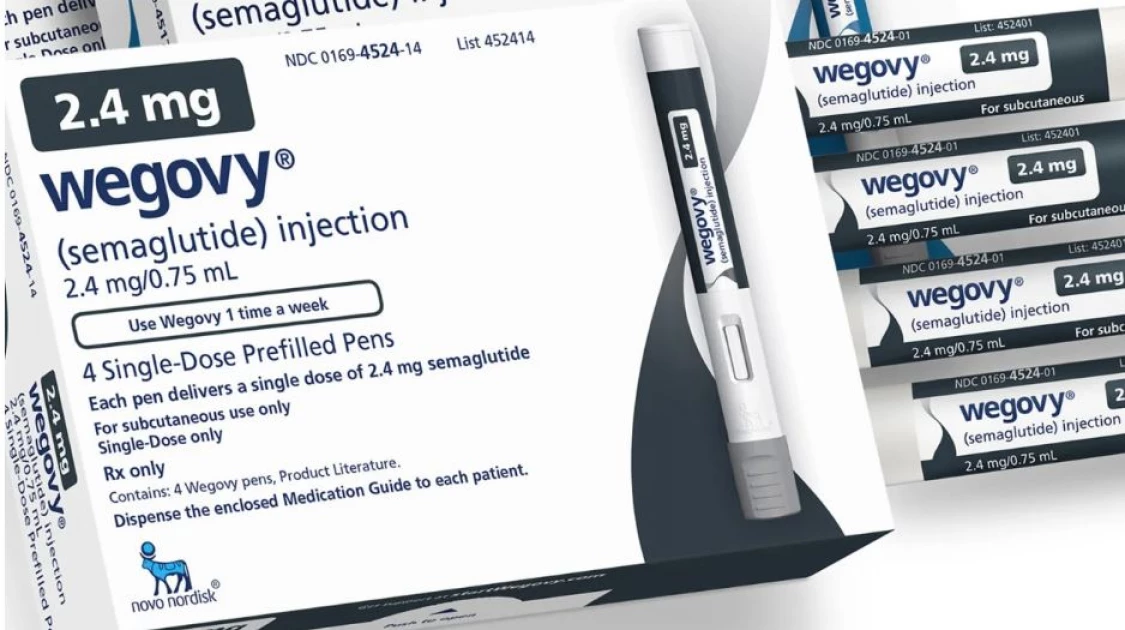
A study found that a 2.4-milligram weekly dose of semaglutide, sold as Wegovy for weight loss, led to an improvement of 17 points on a 100-point scale that’s used to assess symptoms of a condition known as heart failure with preserved ejection fraction. PHOTO/COURTESY: CNN

Audio By Vocalize
The diabetes and weight loss drug semaglutide significantly reduced symptoms and improved quality of life in people with obesity and the most common form of heart failure in a clinical trial, potentially expanding the already wildly popular drug’s use beyond diabetes and weight loss and offering a new treatment option where few are available.
The study of
529 patients, funded by drugmaker Novo Nordisk, found that a 2.4-milligram
weekly dose of semaglutide, sold as Wegovy for weight loss, led to an
improvement of 17 points on a 100-point scale that’s used to assess symptoms of
a condition known as heart failure with preserved ejection fraction.
By
comparison, participants who got a placebo had a 9-point improvement. The study
was published Friday in the New England Journal of Medicine.
In real
terms, that difference means Wegovy helped people with heart failure have less
shortness of breath, fatigue, trouble exerting themselves and swelling, as well
as better exercise function and quality of life, all part of a scale known as
the Kansas City Cardiomyopathy Questionnaire clinical summary score, said Dr.
Mikhail Kosiborod, a cardiologist at Saint Luke’s Health System who led the
trial.
“This is the
largest treatment benefit we’ve ever seen for that endpoint in this patient
population with any drug,” Kosiborod told CNN ahead of the European Society of
Cardiology meeting in Amsterdam, where the results are being presented.
There are 64
million people globally living with heart failure, Novo Nordisk said in a
statement about the trial results. It’s a condition in which the heart can’t
pump enough blood to meet the body’s needs.
Preserved
ejection fraction means the heart can pump normally but is too stiff to fill
properly.
This type of
heart failure accounts for more than half of all cases in the US and is
increasing in prevalence, according to Kosiborod and his co-authors.
He noted that
80% of patients with this kind of heart failure in the US have obesity or are
characterized as overweight.
Another goal
of the study was weight loss, and the drug succeeded there, too: Participants
on semaglutide lost about 13% of their body weight, compared with 2.6% for
those on placebo, over the course of the year-long trial.
Until
recently, the main treatment options for people with this kind of heart failure
were diuretics, sometimes called water pills, Kosiborod said.
They increase
urination to reduce the amount of fluid in the body and can temporarily
alleviate symptoms, but they are “woefully insufficient,” he explained.
Another class
of drugs known as SGLT2 inhibitors, also used for Type 2 diabetes, has been
shown to reduce the risk of heart failure hospitalization, but “it’s not enough
for most people,” Kosiborod said. The improvements in symptoms “are relatively
modest.”
The trial of
semaglutide assessed exercise function using a metric known as the six-minute
walk test.
It found that
by the end of the trial, the drug helped participants walk 20 meters farther
than people who got a placebo.
There were
fewer serious safety events in the drug group than in the placebo group,
although more patients stopped taking semaglutide, primarily because of
gastrointestinal issues that are known side effects with this class of
medicines, known as GLP-1 receptor agonists.
In early
August, Novo Nordisk announced that Wegovy reduces the risk of heart attack,
stroke or heart-related death in people with cardiovascular disease and obesity
by 20%, a result expected to boost use of the medicine even further.
Already, the
company can’t keep up with demand and has had to restrict access to some lower
starter doses of the medication so it can meet supply needs for established
patients.
Wegovy and
its sister drug for Type 2 diabetes, Ozempic, as well as a similar drug from
Eli Lilly called Mounjaro, have been transforming the way doctors approach
weight loss with medicines after decades of drugs with weak efficacy and
dangerous safety issues.
They’re also
changing the way researchers think about obesity, and the results in heart
failure contribute to that paradigm shift, Kosiborod said.
“Clearly, we
cannot continue to treat obesity just as something that accidentally happens to
occur in these patients,” he said.
“It’s likely
a root cause of the complications and should be treated as such.”
He pointed
out, though, that the drug may be helping in ways beyond those related to
weight loss: through reducing inflammation and congestion, for example.
Kosiborod
said that as a physician taking care of patients, he found the results
“extremely gratifying, because what I now can tell them is that we have pretty
definitive evidence that if we prescribe this medication, you will feel better
and be able to do more, and it’s going to have a significant impact on your
quality of life.”
Leave a Comment