
Why giving water to accident victims could cost them their lives
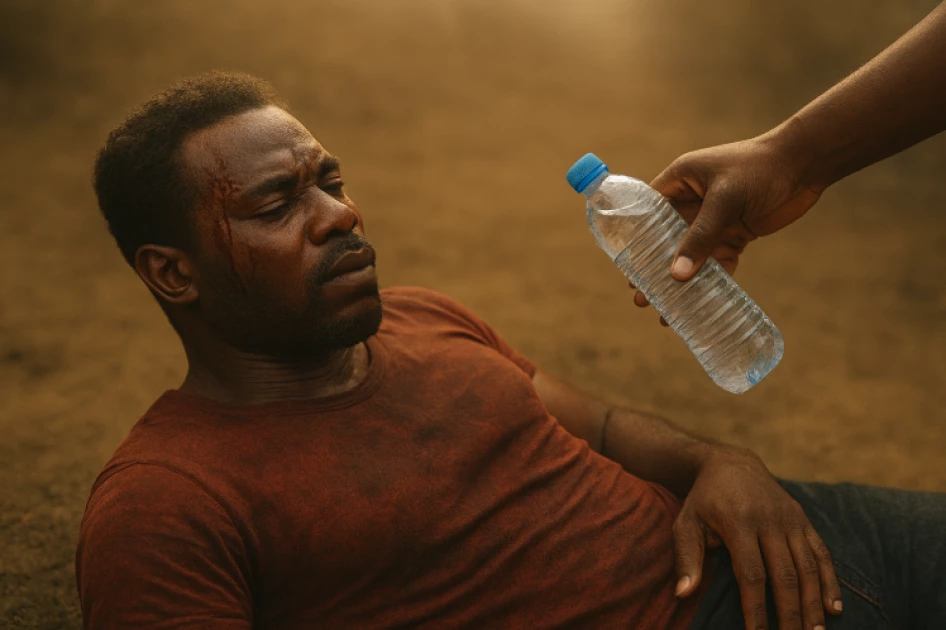
An AI-generated image of an accident victim being offered water.

Audio By Vocalize
Burnt tyres smoulder beside
twisted, molten vehicles; fuel splatters and slowly seeps into the earth.
Headlights flicker faintly, casting sickly shadows over bodies strewn across
the road. The stench of blood, petrol, smoke, and sweat swirls into a dangerous
cocktail, thickening the already-tense air. Painful cries and broken moans rise
in jagged waves, drilling panic into drivers and passers-by alike, widening the
cracks of chaos.
Such a scene, as dark as it may
sound, is sadly happening all around the globe. Every single day, an accident
occurs, a person is critically injured, and a life is lost.
It’s natural human instinct to
want to care for victims involved in an accident. One common impulse is to
offer them water, especially when they beg for it in an attempt to quench their
thirst. Water might sound like a good precautionary step in helping the
victims. However, as absurd as it may sound, it will only make things worse.
Resisting a victim’s misleading thirst signals can save them from serious
consequences. In moments that fragile, even the smallest choices can tip the
balance between life and death, and sometimes, not doing something is the wiser
choice.
Some
of the steps to consider when helping an accident victim include calling an
ambulance, moving the victim to a safer place, and in cases of bleeding, applying
pressure to the wound using a clean cloth. None of these steps include offering
the victim water, no matter how thirsty they claim to be.
In most accidents, victims feel
parched due to dehydration from blood loss. Many mistake this for simple
thirst. What many do not know is that giving water exposes them to the risk of
worsened internal injuries, shock and further blood loss, choking hazards,
surgical complications, and increased blood pressure.
According
to Dr. Shaaban Haji of the Marina Healthcare, Royal Media Services (RMS), giving a
victim water can quickly turn life-threatening, especially if their level of
consciousness is reduced.
“When one takes the water, they
can choke; water goes to the breathing system leading to ‘aspiration
pneumonia’,” he says. “When the individual vomits, the vomitus can as well go
to the breathing system of the individual who has an impaired consciousness;
hence they cannot protect their airway, leading to aspiration pneumonia that is
life-threatening.”
Dr. Shaaban
further zeroes in on the possibility that some victims may have suffered
internal injuries affecting the stomach and intestines. Water can seep into the
abdominal cavity, worsen pain, trigger vomiting, and ultimately cause the
victim to choke.
“Also,
when an individual is involved in an accident, they might need to be attended
to urgently, or they might need emergency surgery. For individuals who are
going for surgery, we usually need to have them on an empty stomach because for
them to have surgery, they need to be given anesthesia,” he says, emphasizing
medical protocols requiring patients to be ‘nil by mouth’ before surgery —
meaning they cannot take any drinks or food.
Dr. Shaaban explains that
anesthesia can induce vomiting, causing stomach contents to enter the airway
and trigger choking, spiralling into serious medical complications.
Of
course, it is hard to resist offering water to a patient who is extremely
thirsty. But there are safer alternatives that avoid endangering their life
further. Dr. Shaaban advises keeping the victim calm and warm, and gently
dabbing a piece of cloth soaked in water on their lips to moisten them.
Many people overlook these simple
precautionary steps every day, unknowingly risking lives. Accidents happen
daily, and the urge to help is natural. However, knowing what not to do can be just as lifesaving. Every
small action can mark the line between life and death.
Be mindful of the basics, avoid
common mistakes, and you might very well save a life. After all, heroes don’t
always wear fancy costumes and capes; sometimes, they’re just ordinary humans
with steady hearts and calm minds amid the chaos.
Join the Discussion
Share your perspective with the Citizen Digital community.
No comments yet
This discussion is waiting for your voice. Be the first to share your thoughts!