
Continental push for climate-resilient water systems ahead of AU 39th General Assembly

Audio By Vocalize
These challenges strike at the heart of human dignity, undermine the collective pursuit of prosperous, healthy communities, and threaten the continent’s progress towards Aspiration 1 of Agenda 2063: “A Prosperous Africa based on inclusive growth and sustainable development.”
Africa is known for its abundant water resources; however, the continent still faces a profound water paradox. According to the Economic, Social and Cultural Council (ECOSOCC), over 400 million Africans lack access to basic drinking water services, while more than 700 million lack access to safely managed sanitation.
ECOSOCC emphasizes that the contradiction between resource abundance and service deficit reflects deep-seated structural challenges. These include colonial-era infrastructure deficits that persist today, weak institutional frameworks inherited from fragmented governance systems, underinvestment in water infrastructure, rapid urbanization that has outpaced service delivery capacity, and the accelerating impacts of climate change, which disproportionately burden a continent responsible for less than 4% of global greenhouse gas emissions.
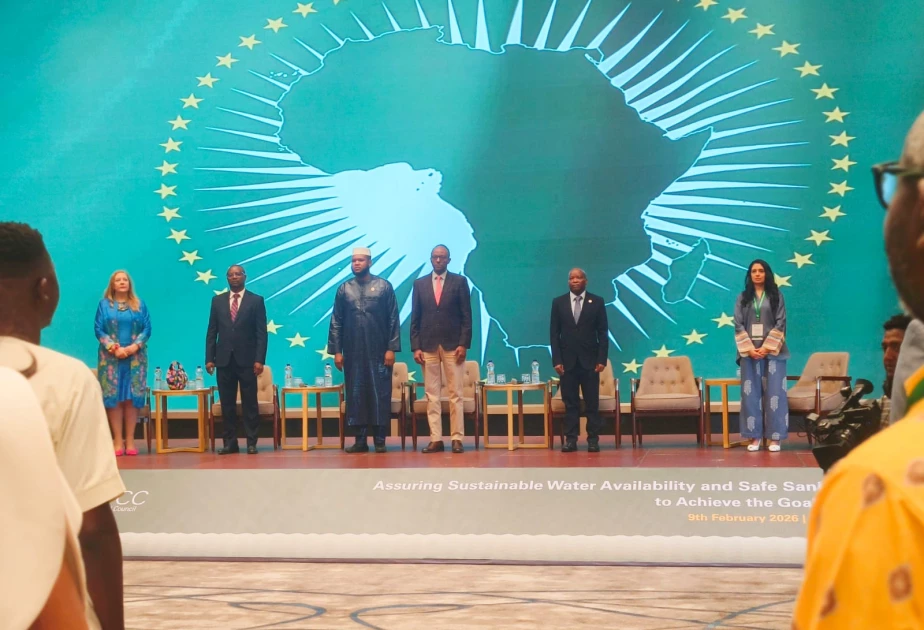
The water and sanitation crisis was highlighted on Monday in Addis Ababa, Ethiopia, during the ECOSOCC Civil Society pre-summit on the 2026 African Union (AU) theme of the year: “Assuring Sustainable Water Availability and Safe Sanitation Systems to Achieve the Goals of Agenda 2063.”
According to Africa Renaissance, sanitation in Africa continues to be addressed in fragmented ways, with limited integration of gender equality, youth inclusion, disability, and broader social equity considerations.
“The water and sanitation crisis reverberates across every dimension of Agenda 2063's vision for Africa's transformation. It directly impedes progress towards eradicating poverty, achieving food security through irrigated agriculture, and building modern infrastructure. The burden falls most heavily on African women and girls, who collectively spend an estimated 40 billion hours annually fetching water—time stolen from education, entrepreneurship, and community leadership that could otherwise advance their aspirations,” said Ms. Caroline Kwamboka, Executive Director of African Renaissance.In his welcome remarks to water and sanitation stakeholders, Ambassador William Carew, Head of the ECOSOCC Secretariat, emphasized the importance of involving civil society in AU agendas, saying it is the most effective way to achieve humanitarian-oriented goals for the continent.
The gathering also agreed that for visions to translate into action, high-level agendas must be co-created with people who understand local realities. Experts with knowledge of both continental policies and grassroots conditions are best positioned to shape Africa’s development trajectory.
Meanwhile, Dr. Amany Asfour, President of the Africa Business Council (AfBC), urged financial institutions and the private sector to develop more financial solutions to support technological innovations aimed at addressing water and sanitation challenges sustainably.
Stakeholders were also advised to prioritize preventive measures over reactive responses, including establishing early warning systems, as safe sanitation is a fundamental human right essential to human dignity.
Mr. Moses Vilakati, an African Union Commission representative, acknowledged the role of civil society in setting the stage for successful advocacy. He highlighted the competing demands that often lead to water source degradation, noting that Civil Society Organizations (CSOs) are well-positioned to take urgent action to address these challenges.
Dr. Habtamu Itefe, Ethiopia’s Minister for Water and Energy, said:
“Our water resources sustain life and economies. Everyone must take care of water—from our households to the water sources. If we join hands as a family, we can ensure consistent access to clean water and sanitation.”As part of this multi-stakeholder collaboration, ECOSOCC, serving as the civil society advisory organ of the AU, convened the Pre-Summit Symposium to launch continental civil society engagement with the 2026 theme. The symposium provided a platform to unpack the theme’s action framework and foster dialogue for co-developing strategies for effective implementation at community, national, and regional levels.
Join the Discussion
Share your perspective with the Citizen Digital community.
No comments yet
This discussion is waiting for your voice. Be the first to share your thoughts!