
Crisis looms in public schools as capitation shortfall nears breaking point

Audio By Vocalize
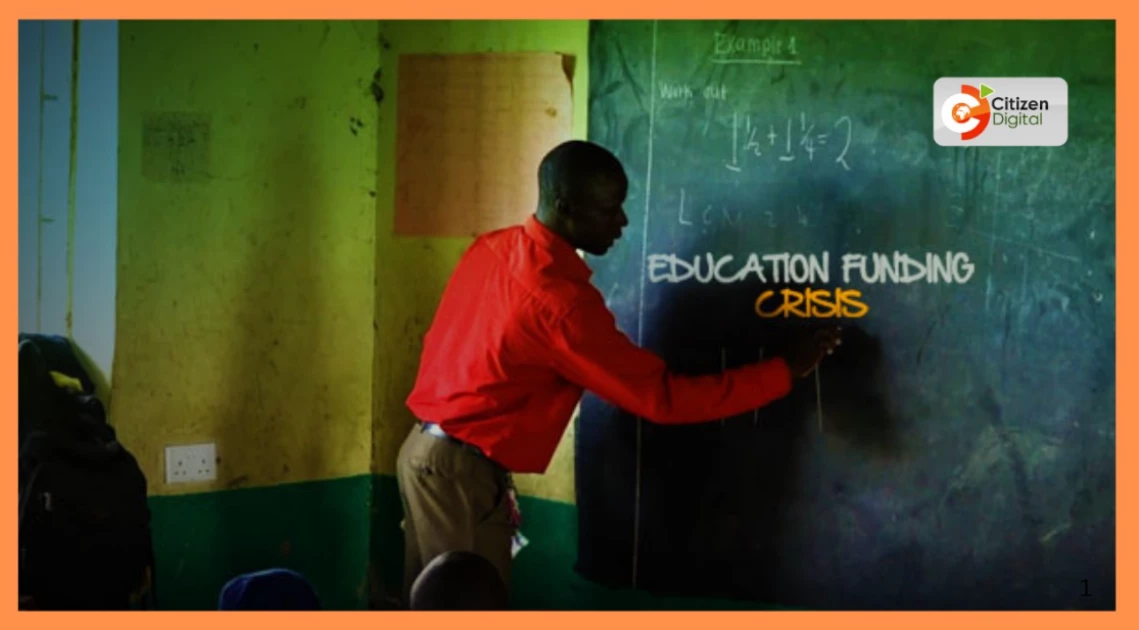
At the heart of the crisis is a widening capitation shortfall that has left schools across the country reeling. Education stakeholders are now urging Parliament to intervene urgently, amid revelations that the government owes institutions billions of shillings in unpaid funds — a burden that has steadily worsened since 2019.
According to the Kenya Union of Post-Primary Education Teachers (KUPPET), the government has yet to disburse approximately KSh 18.06 billion in capitation for the first and second terms of 2025 alone, leaving a per-learner funding gap of about KSh 6,000. Treasury Cabinet Secretary John Mbadi recently acknowledged the shortfall, terming the current funding model “unsustainable.”
But education leaders say that excuse won’t suffice.
Former KESSHA National Chair Kahi Indimuli recalled a formal petition to Parliament that he co-authored before leaving office, highlighting that schools were owed up to KSh 68 billion in cumulative arrears since the onset of the COVID-19 pandemic.
“Since 2019, we’ve witnessed a steady decline in capitation,” said Indimuli. “We tabled our concerns before Parliament, but the crisis persists.”
The situation is especially dire in rural schools, where principals have been forced to take personal loans — often through Mwalimu Sacco — to keep operations running. KUPPET Secretary General Akello Misori lamented that in some instances, fellow educators have had to contribute money to allow school heads to attend national conferences.
“Some schools are literally surviving on donations of food and learning materials from well-wishers,” Misori added. “And we are now seeing credible threats of auction from suppliers due to unpaid debts.”
The Kenya National Union of Teachers (KNUT) echoed the alarm, calling on lawmakers to prioritize education funding and reject any further reduction in capitation.
“What is this we’re hearing about cutting capitation?” posed KNUT Secretary General Collins Oyuu. “This country has parents who can barely support their children’s education. Free and compulsory education must remain a national commitment.”
Oyuu also challenged the government’s spending priorities, arguing that the state cannot claim a lack of funds while continuing to finance non-essential programs.
“The economic state of the country should not come at the cost of our children’s future,” he said.
Meanwhile, members of the Parliamentary Education Committee have pledged to push for increased funding. MP Rebecca Tonkei urged the Treasury to return to Parliament with a supplementary request if the current allocation cannot meet the constitutional goal of KSh 22,244 per learner.
“We cannot shift the responsibility of educating our children back to parents,” said Tonkei.
As tensions rise, stakeholders are united in warning that unless urgent action is taken to restore full capitation funding, Kenya’s free education promise risks becoming a hollow pledge — with learners paying the ultimate price.
Join the Discussion
Share your perspective with the Citizen Digital community.
No comments yet
This discussion is waiting for your voice. Be the first to share your thoughts!