
Education CS Machogu defends new university funding model, says it will help the poor
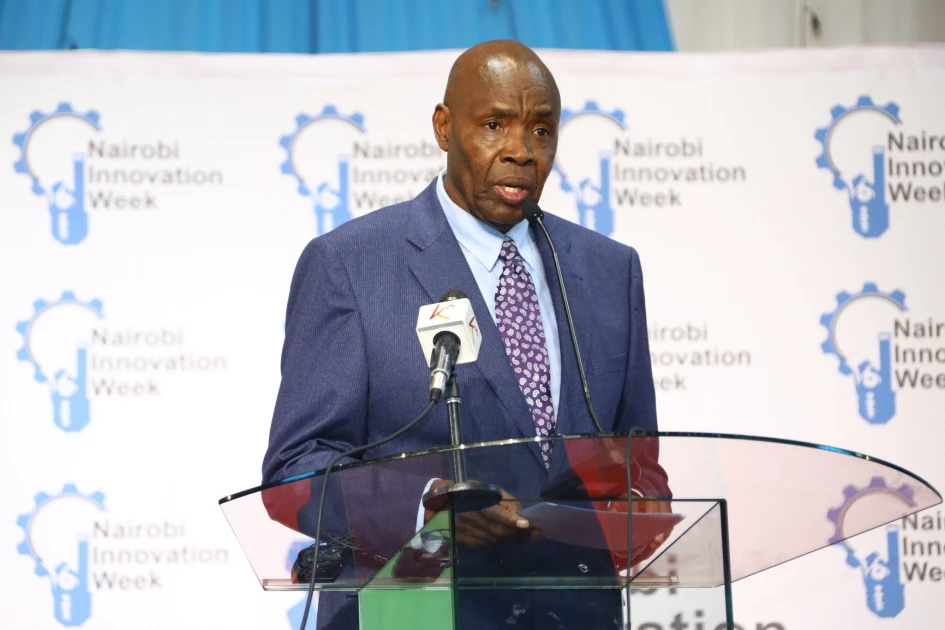
Education CS Ezekiel Machogu during the launch of the Kenya University and Colleges Placement Service application portal on May 17, 2023.

Audio By Vocalize
Education Cabinet Secretary Ezekiel Mochogu has strongly defended the country's new university funding model, asserting that
it is designed to be the most effective solution for Kenyan students,
particularly those facing disadvantages, especially from impoverished
backgrounds.
Mochugu, while speaking during his visit to Kisii University
on Tuesday, October 7 said that the newly introduced model is the key to rectifying
disparities and creating opportunities for students from underprivileged
backgrounds.
“We try to determine the level of need and
once we do that using a scientifically proven method which is known as means
test, we will be able to categorise those coming from poor backgrounds and they will
pay almost nil, “ said the CS.
Machogu faulted the previous funding system differentiated
unit cost (DUC) mode, which he termed as “flawed and unworkable."
“In this system, the government was supposed
to provide 80% of funding. However, it became evident that the D.U.C model was
flawed and unworkable, necessitating a comprehensive reform.
"We've had to come up with a new system
and formula that can truly serve all Kenyan students, particularly those who
are disadvantaged in one way or another, especially those from impoverished
backgrounds," the Education CS explained.
Under the new funding model, students have
been categorized into "PARTS," with each category reflecting their
financial means and needs.
The Minister went ahead to illustrate using an
example:
"Machogu here, if he has a child in
school, he can afford to pay, even if you ask him to pay Ksh.100,000 or Ksh.200,000 per year.
He can do it, just like Hinga here. This is because the government is able to
provide for them every month. However, there is someone somewhere who cannot
pay that amount because they're poor. This is where our means testing
instrument comes into play,” he explained.
The means testing instrument, Machogu
explained, is a scientifically proven method used to determine the level of
need.
Through this instrument, students from
disadvantaged backgrounds will be required to pay almost nil, while those
slightly better off will contribute just 5% of their fees.
“For instance, if a student is undertaking a
course costing Ksh 200k, they would only need to pay Ksh.10,000 per semester. Those
more financially capable, like Machogu, will be expected to cover 40% of their
educational expenses, amounting to Ksh.80k,” he explained further
Moreover, Machogu underlined that this
financial support will come in the form of scholarships and loans, with a
commitment to repay them once the students secure employment.
In the new funding model that takes effect
with the admission of the 2022 KCSE candidates into university, the government
will now seek to channel higher education assistance directly to individual
students based on carefully curated criteria.
Those seeking financial aid from the
government have been classified into four categories; the vulnerable, extremely
needy, needy and less needy.
The model has however come under fire from
various education stakeholders in the country who say that the government has
shifted the burden to students and parents through expensive loans.
Kenyans have also complained of the sudden
rise and wide gap in fees for different courses in universities, an example
cited of a government-sponsored engineering course at JKUAT a year, going
for Ksh.336,000.
Join the Discussion
Share your perspective with the Citizen Digital community.
No comments yet
This discussion is waiting for your voice. Be the first to share your thoughts!