
EXPLAINER: What is inside the National Infrastructure Fund Bill 2026
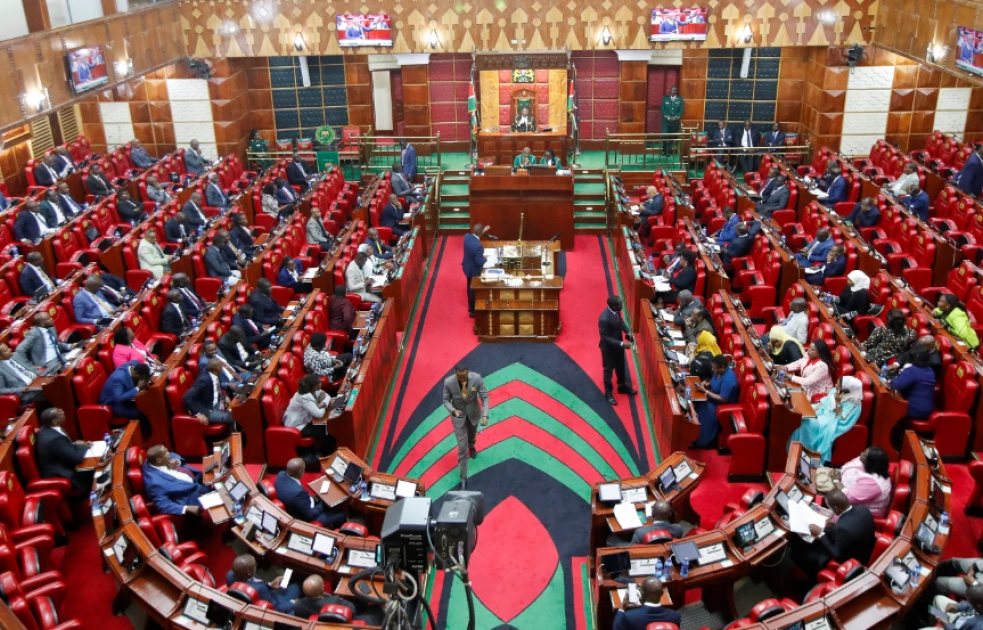
A general view shows Kenyan Members of Parliament as they discuss the impeachment of then Deputy President Rigathi Gachagua inside the Parliament buildings in Nairobi, Kenya October 8, 2024. FILE PHOTO | REUTERS

Audio By Vocalize
The National Infrastructure Fund Bill, 2026, sponsored by National Assembly Majority Leader and Kikuyu Member of Parliament (MP) Kimani Ichung’wah, seeks to create a fund that will invest in key projects, including roads, railways, ports, irrigation and energy.
According to the Bill, the fund is intended to shift
infrastructure financing towards an investment-led model that attracts private capital.
It is designed to be a corporate investment fund, not a
traditional government fund.
Among projects listed as potential beneficiaries are the
Loosuk–Lessos power transmission line, the Galana-Kulalu irrigation project,
the Rironi–Naivasha–Mau Summit highway and the Standard Gauge Railway (SGR)
extension to Malaba — a project President William Ruto has recently insisted
should not be funded through loans.
1.
How it will work
Unlike traditional government spending, the NIF will be
structured as a corporate entity (limited liability company).
This involves investing using equity, debt, and commercial
agreements.
Funds will be raised from pension funds, private investors,
privatisation proceeds (selling state assets), capital markets and Public
Private Partnerships.
This is posed as a major shift from relying on taxes and
loans.
2.
Size of the fund
The government plans to mobilize Ksh.5 trillion over 10
years. This would make it one of the largest investment funds in Africa.
3.
Why the government says it’s needed
Instead of borrowing heavily from China, the International Monetary
Fund (IMF), the World Bank, etc.
This will accelerate infrastructure development, including
the construction of 10,000 km of roads, expanding national energy capacity,
building irrigation systems, attracting private investment and roping in pension
funds and global investors.
4.
The bigger picture: It’s part of a major
economic shift
Kenya is moving from the old model of borrowing loans, funding
projects via taxes, to a new model of onboarding an investment fund model,
having private capital participation and investing in commercial infrastructure.
Think of it like this: Instead of the government building roads using tax money, Kenya creates a big investment company that raises money from investors, builds infrastructure and earns returns from projects.
Join the Discussion
Share your perspective with the Citizen Digital community.
No comments yet
This discussion is waiting for your voice. Be the first to share your thoughts!