
IEA flags funding gaps, implementation flaws in SHA rollout
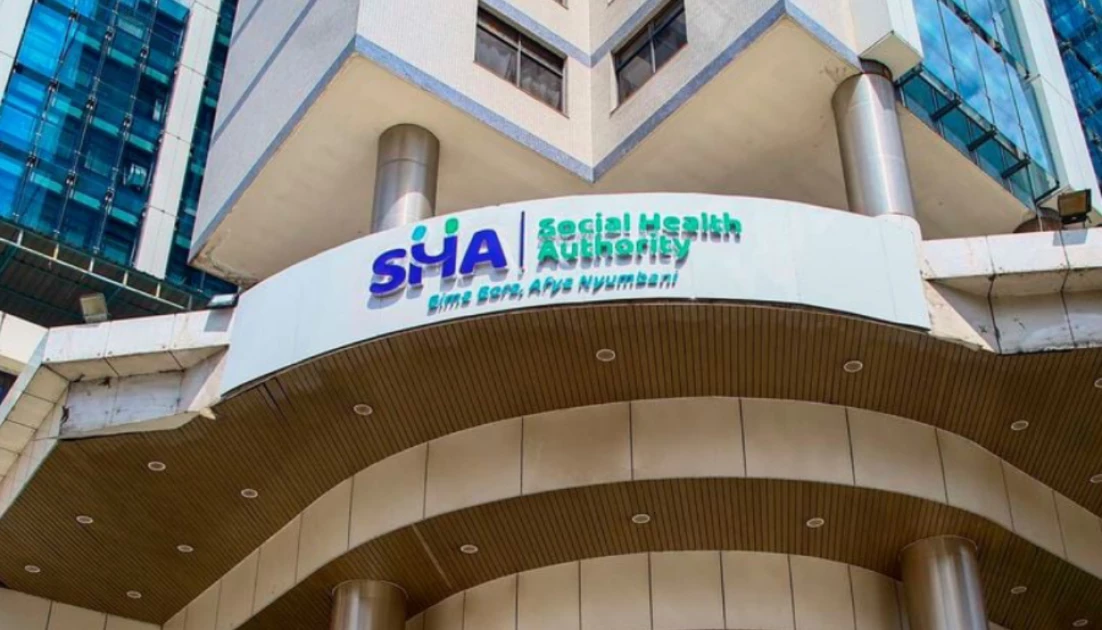
The Social Health Authority (SHA) headquarters in Nairobi. PHOTO | COURTESY

Audio By Vocalize
One and a half years into the implementation of the government’s universal health coverage programme, operated through the three Social Health Authority (SHA) funds, the ambitious undertaking continues to run into headwinds, with the biggest challenge remaining financial.
As at the end of last year, the primary healthcare fund, the
emergency, chronic and critical illness fund, and the social health insurance
fund remained underfunded to the collective tune of Ksh.116.1 billion.
"If the resources that are generated are not sufficient,
that raises the issue of financial sustainability, which results in delays in
payment to facilities and subsequently affects service delivery,” warned
Beyond the cash crunch, the report reveals that while
millions of Kenyans have registered for SHA, contributions to the fund are not
commensurate with the numbers enrolled.
The authority is also grappling with what it says is the
reluctance by the public to seek medical care from lower-level facilities
covered under the primary healthcare fund, instead overburdening facilities
financed through the social health insurance fund.
“People tend to bypass primary healthcare and go to seek
healthcare either at county or national level facilities. What that means is
that it inflates claims for SHIF, but it also affects early detection of
chronic diseases, and payouts from SHIF and the emergency, chronic and critical
illness fund tend to increase,” Mutua noted.
Implementation challenges on the ground are even more stark.
Many hospitals are reportedly opting out of the scheme or demanding
co-payments, arguing that SHA tariffs often do not cover the real cost of
medication, consumables or specialist fees.
Health facilities are also still finding their way around
SHA’s digital operating systems, further compounding the challenges facing the
authority.
“The benefits package is quite ambitious. There is a huge
challenge with claims and reimbursement, affecting facilities and service
provision. We also still have operational and capacity gaps, including
sub-optimal digital connectivity,” Mutua said.
To prevent the scheme from collapsing, the IEA is proposing
a series of radical reforms. These include rationalising the benefits package
to align it with available financial resources, strengthening means testing
through integrated and verifiable data systems, exploring innovative funding
options to boost the primary healthcare and emergency funds, and deliberately
clearing outstanding debts inherited from the now-defunct NHIF.
The authority has also been urged to strengthen its reporting and monitoring systems to curb emerging avenues for fraud.
These
include claims for more expensive procedures than those performed,
falsification of records, converting outpatient cases into inpatient claims,
multiple billing, and the use of ghost patients.
Join the Discussion
Share your perspective with the Citizen Digital community.
No comments yet
This discussion is waiting for your voice. Be the first to share your thoughts!