
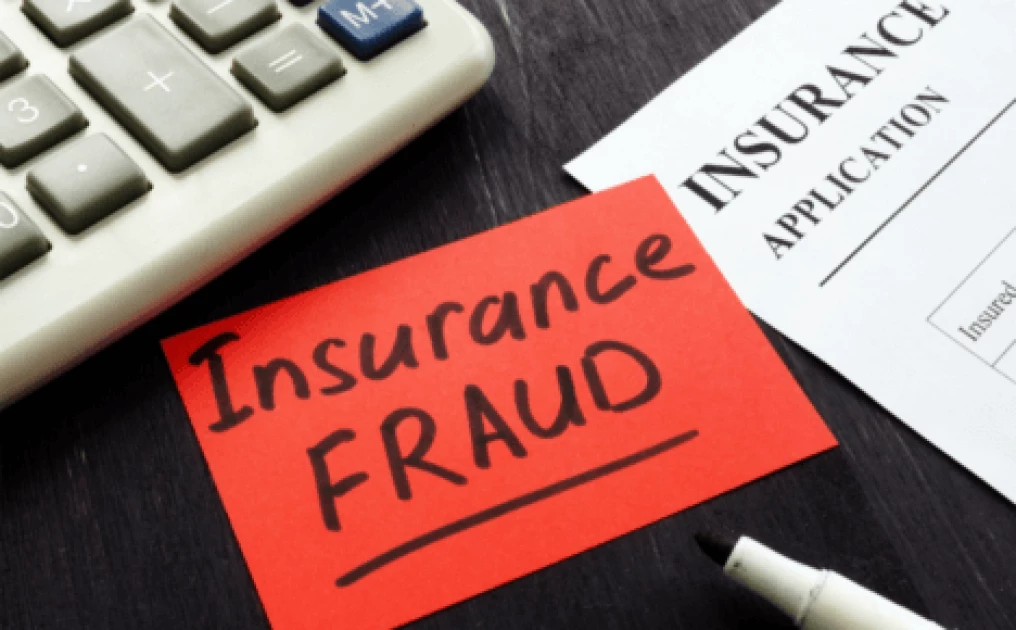
Industry warns of rising insurance fraud as global awareness week ends

Audio By Vocalize
The caution comes as the industry marked International Fraud Awareness Week, an annual global campaign aimed at highlighting the impact of fraudulent activity on businesses and consumers.
According to insurers, fraud remains one of the biggest threats to the stability of the industry, taking various forms and increasingly involving sophisticated schemes.
Recent cases, including incidents within healthcare networks, have underscored what industry players describe as the need for stronger verification mechanisms and closer collaboration among insurers, customers, service providers and regulators.
Insurance fraud typically ranges from exaggerated or falsified claims to staged accidents, forged documents and collusion rings.
Industry data shows recurring schemes such as falsely reported vehicle thefts, use of private vehicles for commercial purposes, intentional vandalism followed by cash-in-lieu claims, staged accidents after upgrading cover, and injury claims pushed by so-called ambulance chasers.
Other cases involve exaggerated assessments by colluding service providers, claims on items that never existed, work injury claims filed for workers who were not insured, manipulated policy start dates, and driver swapping to conceal licence or intoxication issues.
In medical insurance, some customers present other individuals as beneficiaries or fail to disclose pre-existing conditions, while some healthcare providers inflate treatment costs.
Insurers say that while some schemes may appear minor, the cumulative effect is significant. Fraudulent claims increase the cost of doing business, ultimately raising premiums for honest policyholders and creating lengthy verification processes.
“Every fraudulent claim has a ripple effect. It forces insurers to introduce stricter checks, which then slows down service delivery for genuine customers,” said Jesca Karegua, Marketing Manager at First Assurance.
Stakeholders argue that tackling fraud requires coordinated action. Insurers are increasingly working with hospitals, loss assessors, regulators and law enforcement agencies to disrupt fraud networks.
Technology is also being deployed to strengthen verification, though companies maintain that human oversight remains essential.
Awareness campaigns remain a key prevention tool. Customers are being urged to verify the authenticity of insurance agents or brokers, ensure they receive policy documents at the start of coverage, and make premium payments only through official channels.
Employees in the insurance value chain are also being advised to watch for suspicious patterns and report concerns, including anonymously.
Industry leaders say the message behind Fraud Awareness Week is not merely punitive but preventive.
“The goal is to safeguard the integrity of the insurance system so it remains reliable when people need it most,” Karegua added.
With fraud evolving in complexity, experts maintain that vigilance, transparency and collaboration will be crucial in protecting consumers and ensuring long-term market stability.
Join the Discussion
Share your perspective with the Citizen Digital community.
No comments yet
This discussion is waiting for your voice. Be the first to share your thoughts!