
KEMRI study shows ivermectin significantly reduces malaria transmission
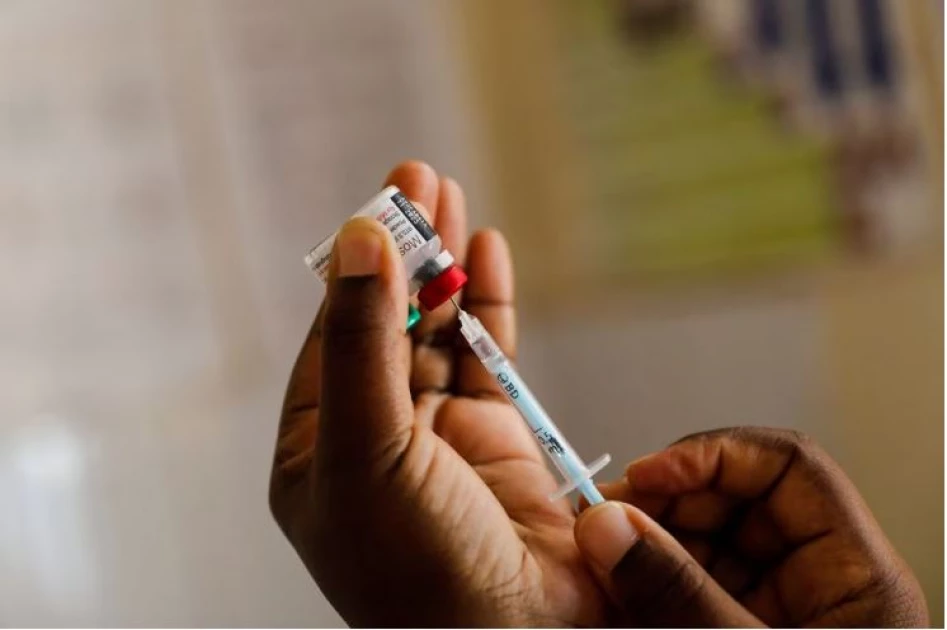
A nurse fills a syringe with malaria vaccine before administering it to an infant at the Lumumba Sub-County hospital in Kisumu, Kenya, July 1, 2022. REUTERS/Baz Ratner

Audio By Vocalize
A study conducted by the Kenya Medical Research Institute
(KEMRI), in conjunction with the Barcelona Institute for Global Health
(ISGlobal) and the Manhiça Health Research Center (CISM), now shows that
ivermectin, an antiparasitic drug, significantly reduces malaria
infections.
KEMRI says that the findings, published in the New England
Journal of Medicine, showed a 26 per cent reduction in malaria transmission
when ivermectin was administered alongside standard control measures such as
insecticide-treated bed nets.
The trial was conducted in Kwale County, Kenya, and Mopeia
District in Mozambique.
“We are pleased to have participated in this landmark study,
that compliments on malaria control and prevention strategies in endemic
regions like Kenya," said Prof. Elijah Songok, Acting Director General of
KEMRI.
"We are very excited that Ivermectin, which has been
effective against several parasitic infections, now shows great potential in
the fight against malaria and other neglected tropical diseases."
In Kwale, the trial involved over 20,000 participants who
received a single dose of ivermectin over three consecutive months at the
beginning of the rainy season.
Upon assessing the safety profile of the drug, they
established mild side effects and no serious drug-related effects.
“The findings suggest that ivermectin MDA could be a valuable
complementary strategy for malaria control, particularly in areas where
mosquito resistance to insecticides is a growing concern,” noted Marta Maia, lead
entomologist of the Broad One Health Endectocide-based Malaria Intervention in
Africa (BOHEMIA) from the University of Oxford.
In Mozambique, the findings faced setbacks due to Cyclone
Gombe and the subsequent cholera outbreak.
This, however, emphasised the importance of community
engagement to promote quality healthcare.
“One of the most important lessons we learned is that strong
community engagement is essential. Trust and close coordination with the
Ministry of Health and local leaders were key to community acceptance of the
intervention," said Francisco Saúte, Director of CISM.
As it stands, the WHO Vector Control Advisory Group has
recommended further studies to be carried out on ivermectin after review.
Join the Discussion
Share your perspective with the Citizen Digital community.
No comments yet
This discussion is waiting for your voice. Be the first to share your thoughts!