
Kenya Roads Board to oversee construction standards in major reform push
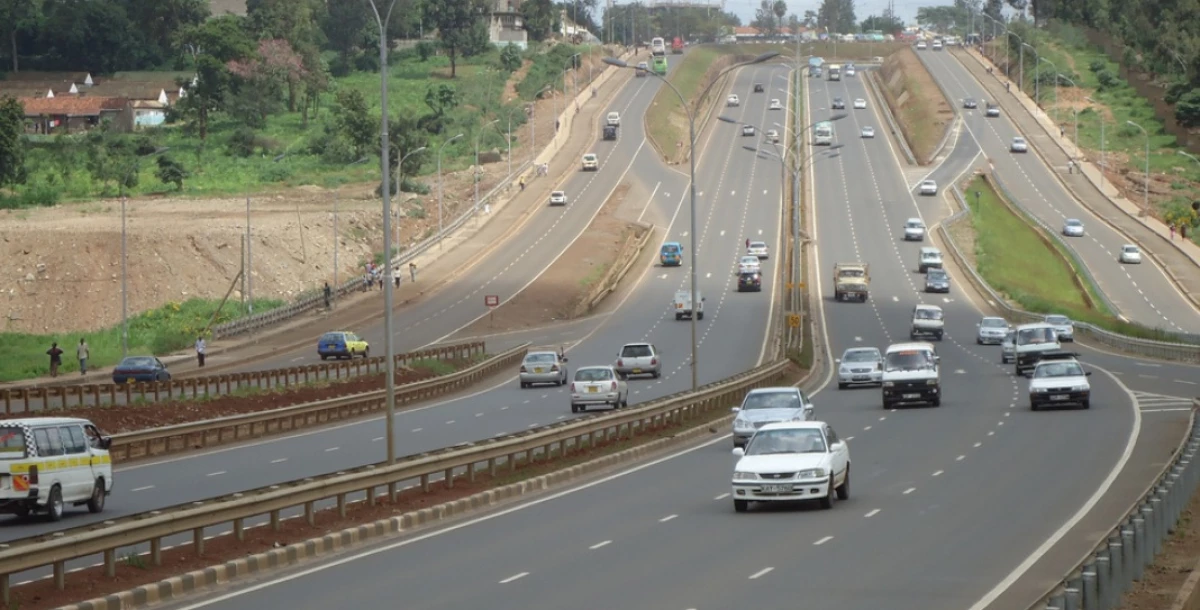
File image of motorists on Thika Superhighway. PHOTO| COURTESY

Audio By Vocalize
This initiative aims to position KRB as the leading authority on road construction standards in the country.
Under the new reforms, KRB's mandate will be broadened to ensure strict adherence to road design standards and construction manuals by contractors and road agencies.
The Ministry of Roads and Transport, led by CS Kipchumba Murkomen, asserts that these changes will ensure high-quality road construction, thereby reducing future maintenance costs.
The government expects the restructured KRB to oversee the maintenance of at least 220,000 kilometers of national trunk roads over the next five years. This effort is part of the Bottom Up Economic Transformation agenda, aimed at improving connectivity and driving economic development.
KRB will manage a significantly increased budget of approximately Sh512 billion for road maintenance as outlined in its Strategic Plan 2023-2027. This marks a 26% increase from the previous five years. The board is committed to using these funds prudently to ensure optimal returns and value for money, with semi-annual evaluations of the Road Maintenance Levy Fund (RMLF) programs.
The restructuring addresses previous issues such as contractors under-quoting during bidding processes and failing to incorporate engineers’ cost estimates. By granting KRB more power to audit projects, the government aims to ensure compliance with standards and deliver reliable road infrastructure.
Established under the Kenya Roads Act 2007, various institutions have specific roles in road development and management: Kenya National Highway Authority, Kenya Urban Roads Authority, Kenya Rural Roads Authority, and Kenya Wildlife Service. KRB will work closely with these agencies to ensure a unified approach to road network development and maintenance across Kenya.
The primary goal is to improve the quality and durability of road infrastructure in Kenya, thus reducing long-term maintenance costs and maximizing economic benefits. By enforcing higher construction standards, the government anticipates better-built roads that require less frequent and less costly repairs.
The reforms aim to streamline project oversight, ensuring effective use of taxpayer money and optimal investment returns.
Join the Discussion
Share your perspective with the Citizen Digital community.
No comments yet
This discussion is waiting for your voice. Be the first to share your thoughts!