
President dismisses ‘Ruto Must Go’, ‘Wantam’ as empty slogans
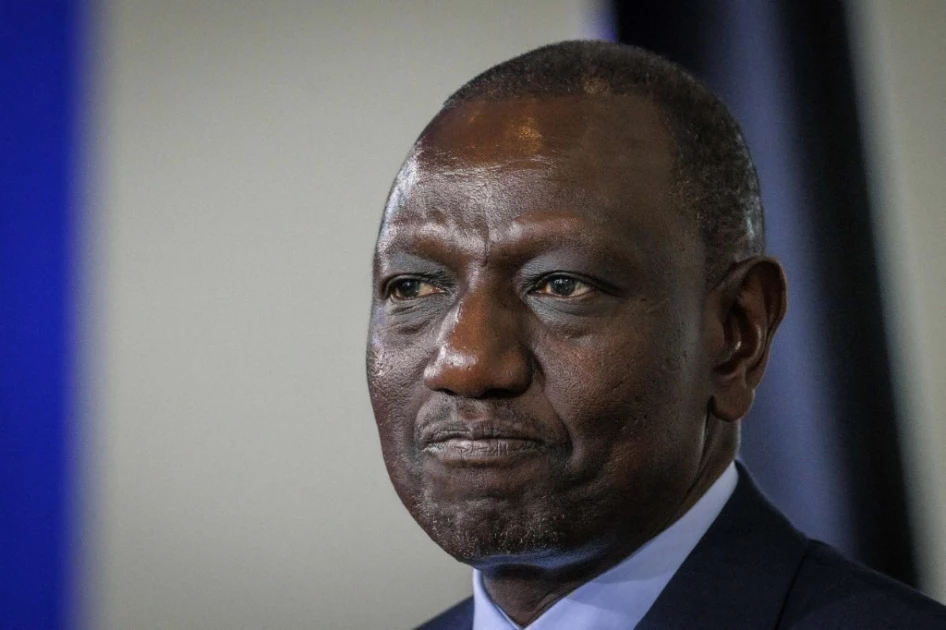
President William Ruto during a visit to Berlin, September 13, 2024. (Photo by AFP)

Audio By Vocalize
President William Ruto
has pushed back against mounting calls for his resignation through growing ‘Ruto
Must Go’ chants in street protests and social media posts.
In an address at the
Nairobi Securities Exchange (NSE) on Wednesday, Ruto questioned the motivations
behind the calls for his early departure, saying all Kenyan leaders have eventually
exited office.
“Just like those who
were there before me, my time will come and I will go,” the President said.
“But, respectfully, sirs and madams, what are your reasons for this ‘Ruto must
go’?”
The past two years
have seen deadly youth-led protests against Ruto’s administration over the high
cost of living, taxation, unemployment, government corruption, and his
contested policy reforms.
Ruto campaigned on a
platform of reducing the cost of living and championing the ‘ordinary’ Kenyans.
But nearly three years
since he assumed office, ‘Ruto Must Go’ slogans have become a unifying rallying
cry among demonstrators who accuse him of failing to deliver on his promises.
They have called for
his resignation and vowed to vote him out of office come 2027, labelling him ‘Wantam’
to mean that he will be Kenya’s first one-term president.
Yet Ruto on Wednesday dismissed
the slogans as empty noise, saying, “Maybe you don’t agree with the policies
and plans he has for our nation, which is okay. But please, would you kindly
favour us with your alternative plan? The more I listen, the more I find it
just sloganeering.”
“You cannot replace a
plan you don’t like with nothing… I have heard some say, ‘Let Ruto go and we
will figure out the alternative plan later.’ To me, that sounds like ‘wash
wash’ conmanship,” he added, referencing fraudulent
money laundering operations.
The President
challenged his critics to present concrete proposals that could outperform his
administration’s in key areas such as the economy, education, healthcare, and
job creation.
“Be bold enough to
tell us. ‘Wantam’, ‘Kasongo’, and ‘Ruto must go’ are not enough!” he said.
Ruto also defended
some of his most controversial reforms, including the affordable housing
project, the change from the National Health Insurance Fund (NHIF) to the
Social Health Authority (SHA), and the overhaul of the university funding model—all
of which have drawn fierce opposition.
“The NHIF never
worked. The old university funding model crippled our education,” he said,
adding that those seeking to abolish these initiatives are “accustomed to the
status quo; the familiar” and are resistant to change.
“Aiming higher invites scrutiny from critics, suspicion from cynics, and doubt from their cousins, the naysayers,” Ruto told the NSE audience, “but that is the nature of bold reform: it unsettles the status quo and challenges the comfort of the known and the familiar.”
Join the Discussion
Share your perspective with the Citizen Digital community.
No comments yet
This discussion is waiting for your voice. Be the first to share your thoughts!