

Qatar tourism sector embraces smart technology solutions
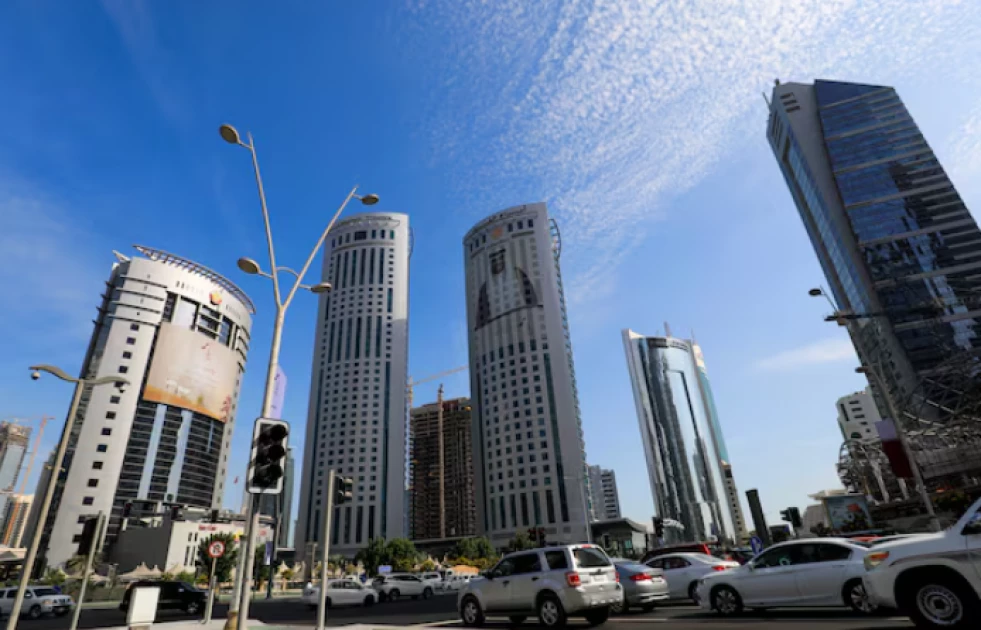
Vehicles are seen in a traffic jam in front of government buildings next to skyscrapers in Doha, Qatar December 21, 2021. REUTERS/Amr Abdallah Dalsh/File Photo

Audio By Vocalize
The legacy of a major global sporting event is often measured in concrete and steel, but for Qatar, the true inheritance of the 2022 FIFA World Cup has been digital.
As the dust settled on the stadiums, the Gulf nation accelerated its transition from a hydrocarbon-dependent economy to a knowledge-based tourism hub. This shift is not merely about building more luxury resorts; it is about embedding intelligence into the very fabric of the visitor experience.
The country has effectively positioned itself as a testbed for smart tourism, leveraging advanced infrastructure to cater to a new generation of tech-savvy travellers.
Smart city projects transform the visitor experience
The most visible manifestation of Qatar’s digital ambitions lies in its smart city developments, particularly in Lusail City and Msheireb Downtown Doha. These urban centers were designed from the ground up with technology as a foundational element rather than an afterthought.
In Msheireb, for instance, the visitor experience is curated through a network of connected sensors and data points that manage everything from traffic flow to climate control. For a tourist navigating the district, this results in an environment that feels intuitive and responsive, where information about heritage sites, dining options, and transit is pushed to personal devices in real-time based on location.
Beyond mere convenience, these smart
implementations significantly enhance safety and operational efficiency. The
integration of IoT-enabled spaces allows for predictive maintenance of public
amenities and real-time crowd management during major events.
This capability is a direct legacy of the systems perfected during the World Cup, now repurposed to serve daily tourism needs. Visitors can navigate complex urban environments with ease, supported by intelligent transport systems that integrate metro, tram, and taxi services into unified digital platforms.
This level of integration reduces the cognitive load on travellers, allowing them to focus on the experience rather than the logistics of movement.
Furthermore, these smart districts serve as living laboratories for sustainable tourism. By utilizing data analytics to optimise energy consumption and waste management, Qatar is addressing the growing global demand for eco-conscious travel options.
The technology operating in the background
ensures that while the visitor enjoys a high-tech environment, the
environmental footprint is minimised. This alignment of smart technology with
sustainability goals is becoming a key selling point for international visitors
who are increasingly prioritising responsible travel destinations.
Regulatory
landscape for online digital entertainment services
As Qatar opens its digital borders to international travelers, the intersection of global internet habits and local regulations becomes a focal point. The country boasts one of the highest internet penetration rates in the world, providing visitors with unfettered access to a vast array of digital services.
However, the regulatory framework governing digital content, particularly regarding entertainment and leisure, remains distinct. Travellers accustomed to the open internet ecosystems of Europe or North America often need to navigate specific local compliance standards when accessing online services during their stay.
The government maintains a structured approach to digital content to ensure it aligns with cultural and legal norms. This is particularly relevant for the digital entertainment sector, where regulations are strictly enforced to maintain social cohesion. For international visitors, understanding these boundaries is essential to avoiding inadvertent violations while trying to access their usual leisure platforms.
While the technical infrastructure supports seamless streaming and gaming, the legal layer dictates what is permissible, creating a unique environment where high-tech capability meets traditional governance.
Navigating this landscape requires reliable information. Visitors often seek clarity on what digital activities are permitted within the country's borders. For those analysing the specific market dynamics of the region, resources such as CasinoBeats's Qatar casino insights offer valuable data on the regulatory environment surrounding online entertainment sectors. Understanding these nuances is critical for both users and industry analysts, as it highlights how Qatar balances its drive for technological modernisation with the preservation of its legal and cultural frameworks.
High-speed connectivity supports business and leisure travellers
Connectivity is the backbone of modern
tourism, and Qatar has invested heavily to ensure its network infrastructure is
among the fastest and most reliable globally. The widespread availability of 5G
networks across the country has revolutionised how visitors interact with their
surroundings. This is not limited to simple internet access; it enables
bandwidth-intensive applications such as augmented reality (AR) tours and
high-definition streaming without latency. For the business traveller, this
ubiquity of high-speed connections transforms the entire city into a potential
workspace, decoupling productivity from the hotel business centre.
The software layer built on top of this connectivity is equally impressive. Building on the success of the Hayya platform, new digital concierges powered by generative AI are redefining customer service. These tools, capable of communicating in over 50 languages, offer personalised itinerary planning that adapts to user preferences in real-time. Whether a visitor is looking for a specific culinary experience or a cultural excursion, these AI-driven platforms provide tailored recommendations that go far beyond generic travel guides. This personalisation creates a sense of hospitality that scales effectively, ensuring every visitor feels uniquely attended to despite the growing volume of arrivals.
Moreover, the seamless integration of digital payments and identification systems has streamlined the administrative aspects of travel. Automated hotel check-ins and digital entry processing at attractions have significantly reduced waiting times, a critical factor in visitor satisfaction scores. By digitising these touchpoints, the tourism sector has effectively increased the time visitors spend enjoying attractions rather than standing in queues. This efficiency is particularly vital for the meetings, incentives, conferences, and exhibitions (MICE) sector, where time optimisation is a primary concern for delegates and organisers alike.
Investment flows continue into Gulf technology markets
The financial commitment to this digital transformation is substantial and reflects a long-term confidence in the sector's potential. The flow of capital into tourism technology is not just sustaining current projects but is fueling a rapid expansion of the market.
Investors are recognising that the convergence of hospitality and technology in the Gulf offers unique growth opportunities. Recent data support this optimistic outlook, showing that the Qatar tourism tech market reached USD 1,670.18 million in 2025 and is projected to continue its robust trajectory through the next decade.
Looking ahead, the continued infusion of capital into AI, cybersecurity, and cloud computing will likely further cement Qatar's position as a leader in smart tourism. The focus is shifting towards sustaining this growth by fostering a local innovation ecosystem that can support the industry's evolving needs. As the market matures, the integration of advanced technologies will move from being a novelty to a standard operational requirement, setting a new benchmark for luxury and business travel in the Middle East.
Leave a Comment