

Restoration of Nairobi Dam begins following conclusion of public participation

Audio By Vocalize
The forums, led by Nairobi Governor Johnson Sakaja, ended with residents backing urgent interventions to address the dam’s deteriorating state. Participants were briefed on a comprehensive plan designed to return the dam to its original condition.
Constructed in 1953, Nairobi Dam has long suffered from pollution, neglect, and encroachment. To address this, the county government has rolled out a three-phase emergency restoration strategy aimed at preventing environmental degradation and reducing flood risks.
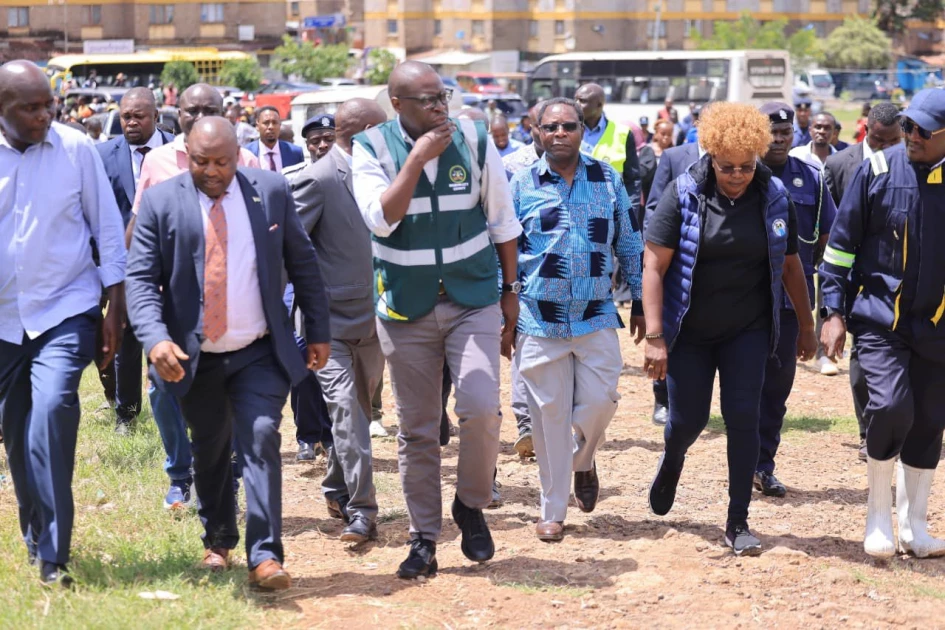
A multi-agency team—including officials from the county government, the Water Resources Authority, Nairobi Regeneration Commission, disaster response units, and the Nairobi City Water and Sewerage Company—has already initiated groundwork.
The first phase focuses on identifying and marking riparian boundaries, with authorities urging individuals occupying protected areas to vacate. According to Sakaja, the process follows extensive public engagement and is part of a structured, urgent intervention to safeguard lives and property.
The second phase will involve assessing the integrity of the dam’s embankment to determine whether it has been weakened. Reinforcement measures will then be implemented to prevent potential failure.
Once the embankment is secured, authorities will proceed with enforcing riparian regulations and conducting a large-scale cleanup to remove accumulated waste and restore the dam.
These efforts come amid rising concerns after the Water Resources Authority warned residents living downstream to vacate due to increased water levels caused by ongoing heavy rains, which have pushed the dam close to capacity.
The restoration initiative is part of broader county efforts, including demolition of illegal structures on riparian land, unclogging drainage systems, and developing new drainage infrastructure to mitigate flooding and reclaim key environmental resources across Nairobi.
Leave a Comment