

Silent Suffering: Over 2,000 neglected, disabled children in Baringo

Audio By Vocalize
At the centre of this tragedy are children with disabilities — locked behind doors, abandoned in institutions, and left to the mercy of caregivers who themselves are overwhelmed and under-supported.
In a visit to Kabarnet, Principal Secretary for Children Services Caren Agengo painted a grim picture of the county’s worsening crisis. She noted that many parents of children with disabilities continue to hide them away at home, fearing societal stigma. Others simply abandon them at institutions like Kabarnet School for the Deafblind, never to return.
“The numbers are alarming,” Agengo said. “We’ve recorded over 2,000 cases of child neglect in Baringo alone. Children with disabilities bear the worst of it — hidden, shunned, and forgotten. It is time for the community to rise and address this injustice.”
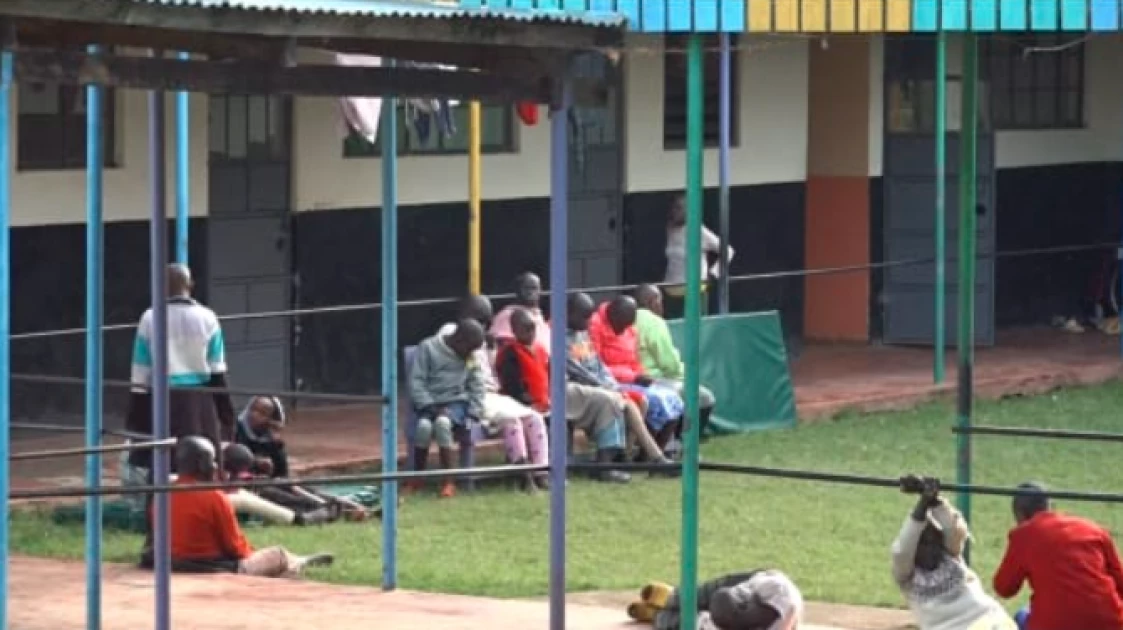
At the Kabarnet School for the Deafblind, the only institution of its kind in East and Central Africa, the reality is both tragic and enraging. Established as a beacon of hope for children with profound disabilities, it has instead become a dumping ground for children abandoned by parents crippled by shame or poverty.
With a population of 81 severely disabled children, the school is on the brink. The situation is dire: government capitation has been slashed from Ksh.4.1 million to just Ksh.400,000 per year. This drastic budget cut has left the institution unable to pay staff salaries, maintain basic services, or provide adequate care.
Eunice Chesang, the school’s principal, has watched the crisis unfold with heartbreak.
“We have salary arrears dating back to 2017. Our teachers and caregivers haven’t been paid, yet they show up every day to care for these children,” she said. “Parents don’t return. During school holidays, they switch off their phones. Some have locked their children inside houses."
According to Vincent Chelal, the school board chairman, the government's failure to fund the institution adequately is crippling operations.
“Reducing capitation from 4.2 million to 400,000 is nothing short of abandonment,” Chelal stated. “How do you expect us to feed, clothe, and care for 81 special needs children with that budget? We are calling on the Ministry of Education to reconsider.”
The staff is stretched thin, often working without pay, and children are left with little access to essential therapies, medical care, or educational materials tailored to their complex needs.
Disability in many rural parts of Baringo remains heavily stigmatised. Parents fear being labelled or blamed. Some believe disability is a curse or punishment. With little access to information, support networks, or inclusive services, many families retreat into silence, often at the expense of the child’s well-being.
Ann Cheptumo, Cabinet Secretary for Gender, says the state has a constitutional obligation to act.
“Every child has the right to care, education, and protection. The situation in Baringo reflects deeper systemic problems — stigma, poverty, and limited access to social services,” she said. “This is a collective responsibility. The government, the community, and every individual must act.”
Baringo Governor Benjamin Cheboi echoed these sentiments, pledging to work with national institutions to improve services and promote awareness.
“We cannot let our children suffer in silence. We must ensure that no child is hidden, locked away, or forgotten simply because of a disability,” said Cheboi.
Leave a Comment