

Why Kenyans could soon pay more for sanitary pads, diapers, tampons
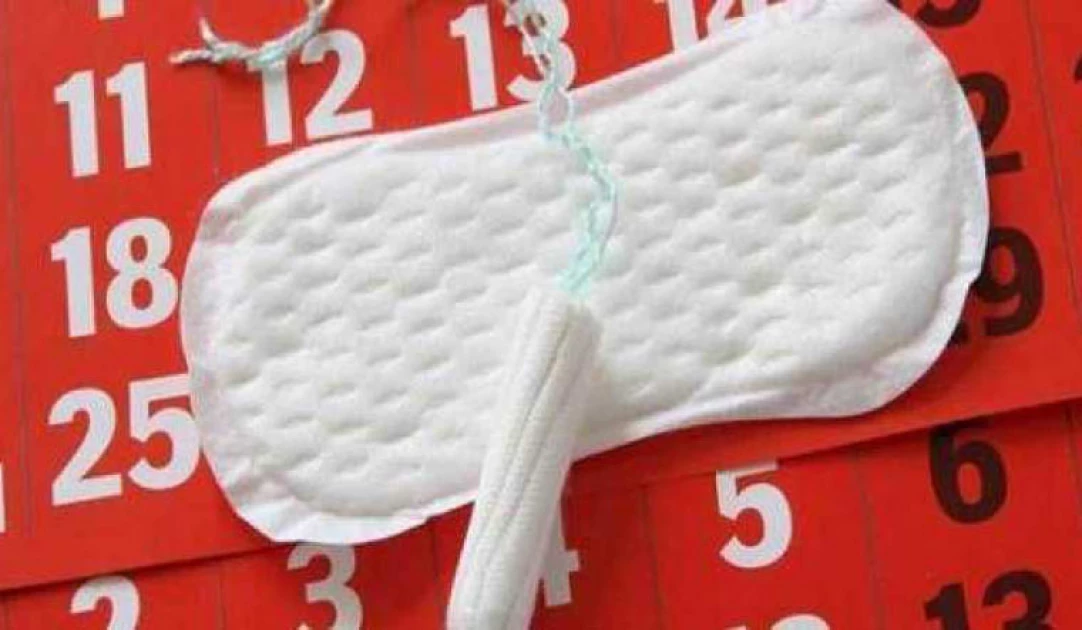
A representation of a tampon and sanitary towel. Photo: Reuters.

Audio By Vocalize
Kenyans could soon be paying more for
diapers, sanitary towels, tampons and fertilisers should the Tax Laws (Amendment)
Bill, 2024, sail through.
The Bill, introduced by Treasury Cabinet
Secretary John Mbadi, seeks to reclassify the products from zero-rated to
exempt status.
It's among three new Bills to be tabled
before Parliament that, Mbadi argues, will assist in boosting the country's
economic growth and bridge the fiscal deficit through enhanced revenue
collection.
The other two Bills include the Tax
Procedures (Amendment) Bill, 2024 and Public Finance Management (Amendment)
Bill, 2024.
A zero-rated good means that a seller does
not charge Value Added Tax (VAT) on the sale of product but can claim back any
input tax credits on goods they purchased to produce the product. In essence,
the product is subject to be taxed but at zero per cent.
On the other hand, exempted goods mean that
no taxes are charged on the sale of the goods but the businesses cannot claim
input tax credits on their purchases.
This means that exempted goods are less
favourable for businesses as they cannot recover the taxes they paid on their
inputs and more likely the burden is passed to the end consumer.
According to Mbadi, the decision to reclassify the items was attributed
to reducing the government's revenue loss from tax breaks issued to specific
groups or activities.
Aside from fertilizer, other items to be
reclassified to exempt status also include inputs and raw materials (locally or
imported) that are supplied to manufacturers of agricultural pest control products.
Critics perceive this as the State's move to
target the goods despite a public uproar that shelved the proposed Eco Levy under the repealed
Finance Bill 2024.
The Eco levy was a measure aimed at taxing
imported and manufactured products that affect the environment.
These included products such as hygiene
products, batteries, plastic packaging materials among others.
The levy aimed to reduce micro-pollution and curb waste management.
Leave a Comment