
Why Kenya’s fuel prices are the highest in East Africa - EPRA
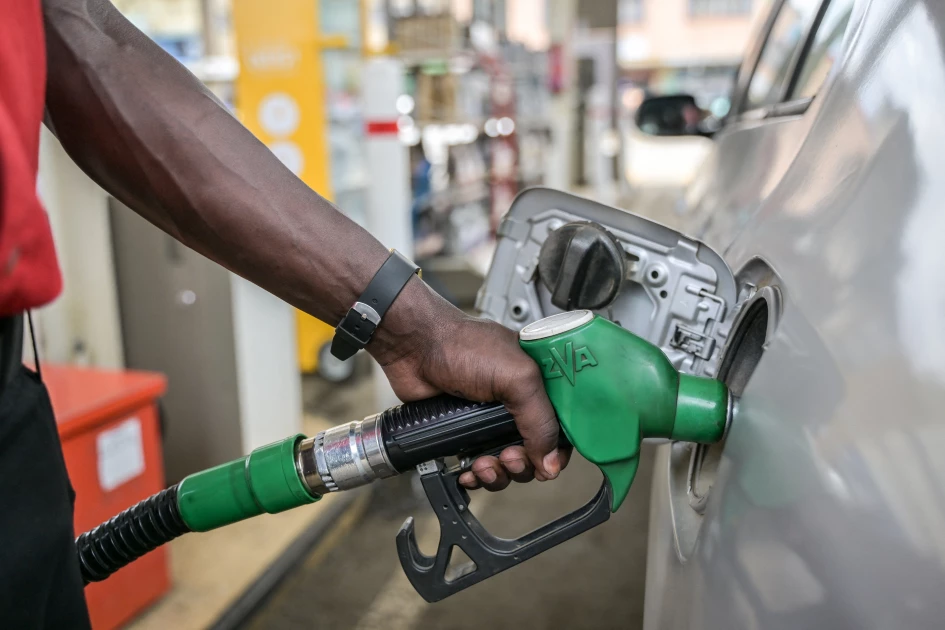
A pump attendant pumps fuel into a car at a gas station in Nairobi, on September 19, 2023.(Photo by SIMON MAINA / AFP)

Audio By Vocalize
The Energy and Petroleum Regulatory Authority (EPRA) has
addressed growing concerns over Kenya's fuel prices, which remain significantly higher than those in
the neighbouring East African countries.
Last week, the cost of petrol, diesel, and kerosene increased
by Ksh.8.99, Ksh.8.67 and Ksh.9.65 per litre, respectively.
A spot check by Citizen Digital revealed that Kenya currently
has the highest fuel prices in the region, with petrol retailing at Ksh.186.31
per litre. It is followed by Uganda at Ksh.182.21, Rwanda at Ksh.161.32,
Tanzania at Ksh.142.70, and Ethiopia at Ksh.114.49.
Kenya also tops the list in diesel prices, with a litre going
for Ksh.171.58. Uganda follows closely at Ksh.169.22, then Rwanda at Ksh.157.21,
Tanzania at Ksh.137.30, and Ethiopia at Ksh.108.84.
Similarly, for kerosene, Kenyan consumers pay the highest
price at Ksh.156.58 per litre. Uganda comes next at Ksh.126.32, followed by
Tanzania at Ksh.130.40, and Ethiopia at Ksh.108.85.
In response to some of the Frequently Asked Questions (FAQs),
EPRA highlighted key contributors to the high fuel prices such as Kenya’s tax
regime, import logistics, and exchange rate fluctuations.
Some of these taxes imposed on petroleum products include road
maintenance levy, petroleum development levy, import declaration fee, petroleum
regulatory levy, railway development levy, anti-adulteration levy and merchant
shipping levy, excise tax, including the applicable currency exchange
rates.
The authority also cited the local currency exchange rate
whereby the weakening of the Kenyan shilling against the US dollar increases
the cost of fuel imports.
“Many East African countries rely on the importation of
crude oil and refined petroleum products. The cost of these imports is
denominated in U.S. Dollar,” EPRA explained.
“If the local currency depreciates against the dollar, the
cost of importing petroleum products increases, leading to higher prices at the
pump.”
The regulator emphasised that while international oil prices
affect all countries equally, domestic policies and economic conditions largely
determine the final cost passed on to consumers.
Join the Discussion
Share your perspective with the Citizen Digital community.
No comments yet
This discussion is waiting for your voice. Be the first to share your thoughts!